Lithium batteries are advanced energy storage solutions widely used in solar systems, electric vehicles, portable electronics, and home power backup systems. These batteries use lithium as the anode material, enabling faster charging, higher efficiency, and significantly longer lifespan compared to conventional batteries.
Introduced commercially in 1990s, lithium battery technology has transformed industries such as mobile electronics, renewable energy storage, and electric mobility. Today, lithium batteries are the preferred choice for applications requiring high energy density, lightweight design, and reliable performance.
If you are looking for a high-performance battery for solar systems, inverter backup, or commercial energy storage, lithium batteries provide a smart and future-ready solution.
To explore industry insights and leading manufacturers, read our guide on Top Lithium-Ion Battery Manufacturers in India.
What is Lithium Battery?
A lithium battery is a rechargeable battery that stores and releases energy through the movement of lithium ions between the anode and cathode.
During discharge, lithium ions move from the anode to the cathode, generating electricity. During charging, the ions move back from the cathode to the anode, restoring the battery's energy.
Lithium-ion batteries have become popular because they offer:
- High energy density
- Faster charging
- Longer cycle life
- Low maintenance
- High efficiency
These advantages make lithium batteries ideal for:
Major Components of a Lithium Battery
A lithium battery consists of several essential components that work together to store and deliver energy efficiently.
1. Anode
The anode is the negative electrode where lithium ions are stored during charging. It releases ions during battery discharge.
2. Cathode
The cathode is the positive electrode that receives lithium ions during discharge and determines the battery's capacity and voltage.
3. Electrolyte
The electrolyte is a conductive medium that allows lithium ions to move between the anode and cathode. It can be liquid, gel, or solid.
4. Separator
The separator is a porous membrane placed between the anode and cathode. It prevents short circuits while allowing ions to pass through.
5. Current Collectors
These are conductive metal foils attached to electrodes that collect and transfer electrical current to the external circuit.
How Does a Lithium Battery Work?
A lithium battery is made up of multiple electrochemical cells connected together. Each cell contains:
- Anode
- Cathode
- Electrolyte
- Separator
When a load is connected to the battery:
- Lithium ions move from the anode to the cathode.
- Electrons travel through the external circuit.
- Electrical energy is delivered to the connected device.
During charging:
- The direction reverses.
- Lithium ions move from the cathode back to the anode.
- Energy is stored inside the battery again.
Battery power is calculated using the formula:
Power (P) = Voltage (V) × Current (I)
This stored power can be used directly for DC loads or converted to AC power using an inverter.
Lithium Battery Price in India (2026)
The price of lithium batteries is typically calculated in kWh (kilowatt-hour) capacity. Larger capacity batteries cost more but provide longer backup.
|
Lithium Battery Model
|
Capacity
|
Price (Approx.)
|
|
100Ah, 48V Lithium Battery
|
5 kWh
|
₹72,999*
|
|
100Ah, 25V Lithium Battery
|
2.5 kWh
|
₹37,999*
|
|
100Ah, 12V Lithium Battery
|
1.2 kWh
|
₹25,999*
|
Lithium batteries currently cost more than traditional batteries, but prices have dropped significantly in recent years due to improvements in manufacturing and technology.
Experts expect lithium battery prices to reach near parity with lead-acid batteries in the coming years.
Lithium Battery vs Lead Acid Battery
|
Factor
|
Lithium Battery
|
Lead Acid Battery
|
|
Charging Efficiency
|
Very Fast Charging (up to 100%)
|
Around 70%
|
|
Weight
|
~9 kg per kWh
|
~30 kg per kWh
|
|
Maintenance
|
Maintenance free
|
Requires water top-up
|
|
Life Cycle
|
1500 – 2000 cycles
|
500 – 1000 cycles
|
|
Charging Time
|
2–3 hours
|
8–10 hours
|
|
Safety
|
No gas release
|
Gas emission during charging
|
Lithium batteries are lighter, more efficient, and longer-lasting, making them the preferred solution for modern energy storage systems.
Applications of Lithium Batteries
Lithium batteries are widely used across multiple industries due to their efficiency and reliability.
Residential Use
- Home inverter backup
- Solar battery storage
- Off-grid power systems
Commercial Use
- Offices and showrooms
- Shops and retail outlets
- Telecom infrastructure
Industrial Applications
- Electric vehicles
- Solar power plants
- Energy storage systems (BESS)
Specialized Applications
- Medical equipment
- Agricultural devices
- Street lighting
- DIY energy projects
With the rapid growth of solar energy systems, lithium batteries are increasingly used for solar plus storage solutions, enabling reliable power even during grid outages.
Advantages of Lithium Batteries
1. Lightweight and Portable
Lithium batteries weigh up to 75% less than lead-acid batteries, making them easier to transport and install.
2. Fast Charging
A lithium battery can be charged within 2–3 hours, whereas traditional batteries may take up to 10 hours.
3. Maintenance Free
Lithium batteries do not require water top-ups or periodic servicing, reducing maintenance costs.
4. High Energy Density
They can store more energy in a smaller space, making them ideal for compact devices and energy systems.
5. Long Cycle Life
Lithium batteries can support 2000+ charge cycles, which translates to 8–10 years of lifespan.
Types of Lithium Battery Technologies
Different lithium battery chemistries are used for different applications.
|
Battery Technology
|
Minimum Price
|
Maximum Price
|
|
Lithium-Ion
|
₹2,250
|
₹1,50,000
|
|
Lithium Iron Phosphate (LiFePO4)
|
₹3,750
|
₹2,50,000
|
|
Lithium Polymer
|
₹7,500
|
₹5,00,000
|
Among these, Lithium Iron Phosphate (LiFePO4) is the most widely used for solar energy storage and inverter systems due to its superior safety and lifespan.
Can Lithium Batteries Be Recycled?
Yes, lithium batteries are recyclable. However, the process requires specialized recycling facilities because lithium is highly reactive.
Improper disposal can lead to:
- Fire hazards
- Environmental damage
- Chemical leaks
Therefore, lithium batteries should always be sent to authorized recycling centers.
To know more about Lithium batteries product offerings, Download the catalog now.


 Sale
Sale Sale
Sale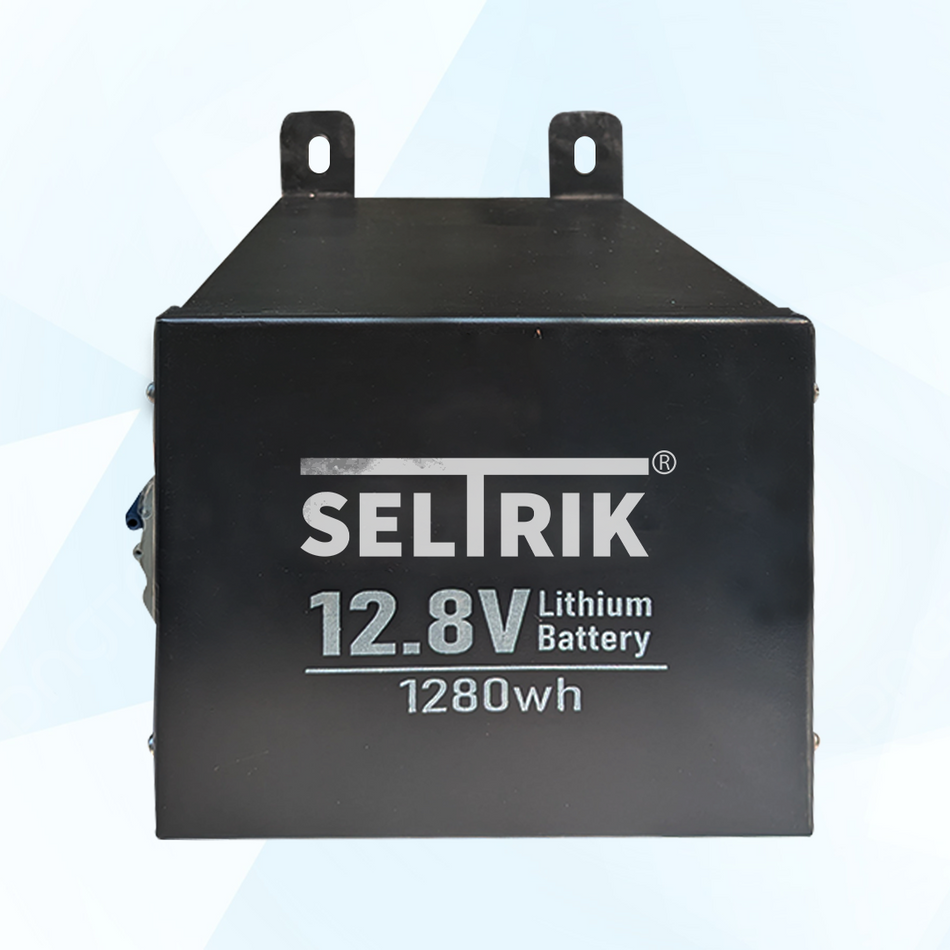 Sale
Sale

