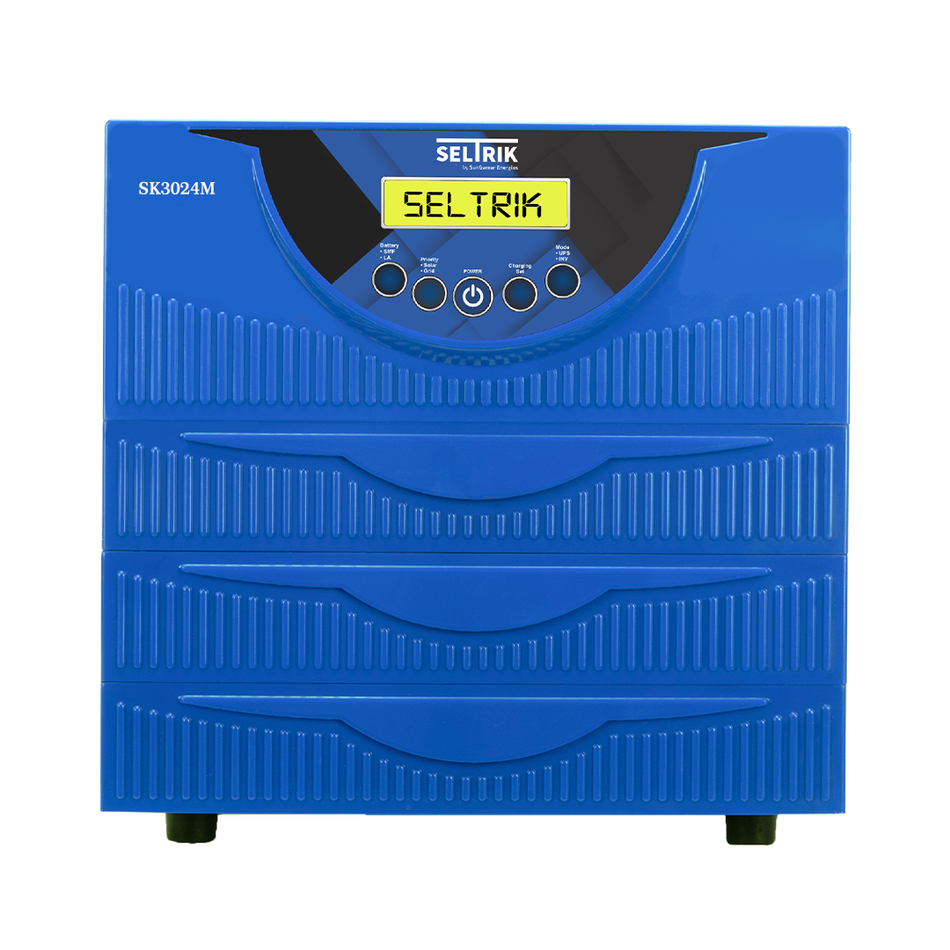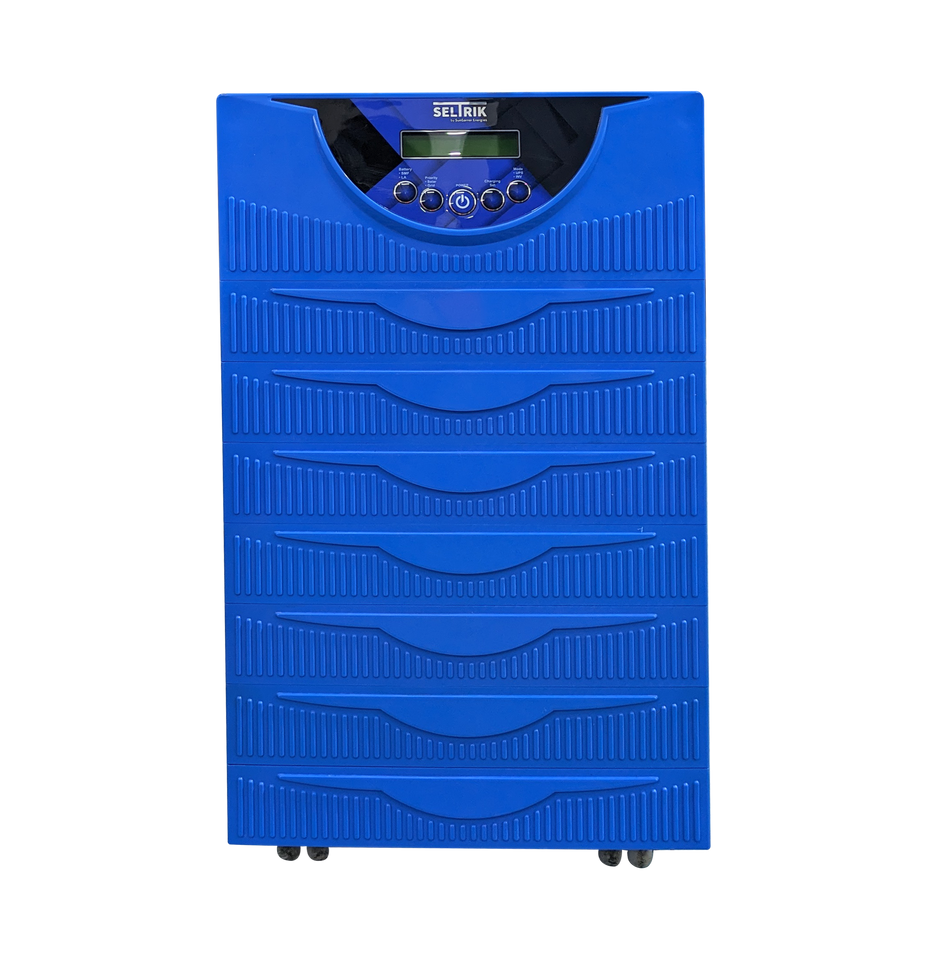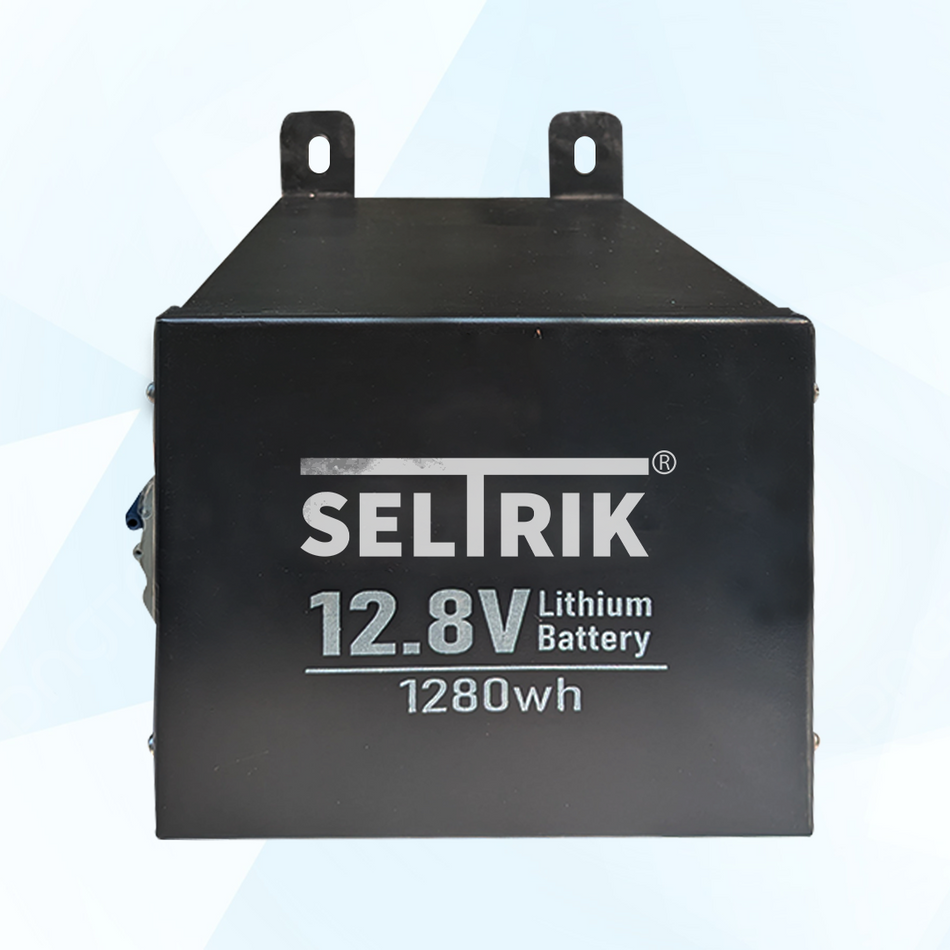

Tired of paying high electricity bills every month? You’re not alone. With power tariffs rising across India, more homeowners and businesses are switching to solar energy to take control of their energy costs—and the On Grid Solar Inverter is leading this transformation.
An on-grid system lets you generate your own electricity, use it in real time, and send the excess back to the grid through net metering. The result? Massive savings on your electricity bills—often up to 90–100%—without the need for expensive batteries. It’s one of the simplest and most cost-effective ways to go solar.
In this complete guide, you’ll discover how an on grid solar inverter works, its benefits, latest price in India, and how you can choose the right system to start saving from day one.
What is an On Grid Solar Inverter?
An on grid solar inverter (grid-tied inverter) converts DC electricity generated by Solar Panels into AC electricity and synchronizes it with the utility grid.
Unlike off-grid systems, it:
- Does not require batteries
- Sends excess electricity to the grid
- Works with net metering policy in India
How Does an On Grid Solar Inverter Work?
Step-by-Step Working:
1. Solar panels generate DC power from sunlight
2. The inverter converts DC into AC
3. Electricity powers your home
4. Excess electricity is exported to the grid
5. A net meter records import and export units
Net Metering Formula:
Net Electricity Bill = Units Consumed – Units Exported
This means a properly sized on grid solar system in India can reduce your electricity bill by up to 90–100%, depending on usage and location.
Key Components of an On Grid Solar System
- Solar Panels
- On Grid Solar Inverter
- Net Meter
- Mounting Structure
- AC/DC Wiring
- Safety Devices (MCB, Earthing, SPD)
Top Benefits of On Grid Solar Inverter
1. Significant Electricity Bill Reduction
With net metering in India, you can reduce your electricity bill by 70–100%.
2. No Battery Required
Lower upfront cost and minimal maintenance compared to hybrid or off-grid systems.
3. High Efficiency
Modern inverters offer up to 97–98% efficiency, depending on the brand and technology.
4. Government Subsidy Support
Under the solar panel subsidy in India (PM Surya Ghar Yojana), residential users can get financial assistance, reducing system cost significantly.
5. Environment-Friendly
A 1 kW system can reduce approximately 1 ton of CO₂ emissions annually, contributing to sustainability.
6. Low Maintenance
Only periodic cleaning and basic inspection are required.
On Grid Solar System Price in India (2025–2026)
The on grid solar system price in India depends on system size, brand, and installation complexity.
Average Cost (Before Subsidy)
|
System Size |
Price Range (Approx) |
|
1 kW |
₹60,000 – ₹70,000 |
|
3 kW |
₹1.8 – ₹2.3 lakh |
|
5 kW |
₹3.0 – ₹3.8 lakh |
|
10 kW |
₹6.0 – ₹7.5 lakh |
Price After Subsidy (Approx)
- 1 kW → ₹30K – ₹45K
- 3 kW → ₹1.2L – ₹1.8L
- 5 kW → ₹2L – ₹3L
Note: Prices and subsidies may vary depending on state policies, DISCOM regulations, and vendor selection.
Solar Inverter Price in India
The solar inverter price in India varies based on capacity and brand:
- 1 kW inverter: ₹15,000 – ₹25,000
- 3–5 kW inverter: ₹30,000 – ₹80,000
- 10 kW+: ₹80,000 – ₹2,00,000+
Cost Breakdown
- Solar Panels: 50–60%
- Inverter: 15–20%
- Structure & Wiring: 10–15%
- Installation: 5–10%
Factors Affecting Cost
- Panel type (Mono PERC, Bifacial)
- Inverter efficiency & brand
- Roof condition (flat/sloped)
- Location & DISCOM policies
- Installation complexity
Installation Process of Rooftop Solar System in India
Step-by-Step:
1. Site survey & load assessment
2. System design & quotation
3. Application to DISCOM (local electricity authority)
4. Installation of panels & inverter
5. Net meter installation
6. Inspection & grid synchronization
ROI & Savings Calculation
Example (5 kW System):
- Cost after subsidy: ₹2.5 lakh
- Annual generation: 7,000 units
- Savings: ₹50,000 – ₹70,000/year
Payback Period:
3–4 years
After that, you get free electricity for 20+ years, making it a high-return investment.
Top On Grid Solar Inverter Brands in India (2026)
Choosing the best solar inverter for home is crucial for performance and durability.
Popular brands include:
- Seltrik
- Growatt
- Sungrow
- Huawei
- Delta
- SMA
These brands are known for:
- High efficiency
- Strong warranty (5–10 years)
- Reliable after-sales service
How to Choose the Best Solar Inverter for Home
Consider these factors:
- Efficiency (≥97%)
- Warranty (minimum 5 years)
- Brand reputation
- Service network in your area
- Compatibility with solar panels
On Grid vs Off Grid vs Hybrid System
|
Feature |
On Grid |
Off Grid |
Hybrid |
|
Battery |
No |
Yes |
Yes |
|
Cost |
Low |
High |
Medium |
|
Backup |
No |
Yes |
Yes |
|
ROI |
Fast |
Slow |
Medium |
On-grid systems are ideal for areas with reliable electricity supply.
Common Mistakes to Avoid
- Choosing incorrect system size
- Ignoring shadow analysis
- Not checking net metering policy in your state
- Selecting low-quality inverter brands
- Not verifying installer credentials
Limitations of On Grid Solar Inverter
- No power backup during outages
- Depends on grid availability
- Requires DISCOM approval
If backup is required, consider a hybrid solar system.
Maintenance & Lifespan
- Solar Panels: 25 years
- Inverter: 8–10 years
- Maintenance Cost: ₹500–₹1000/year
Real-Life Example (India)

Let’s look at a real case from Pankaj Kumar (Hathras, Uttar Pradesh), who was experiencing high electricity bills with a monthly consumption of around 285–350 units.
To reduce his electricity expenses, he installed a Seltrik 3 kW on-grid solar system at his residence.
System Performance (Actual Data)
- Summer generation: 15–16 units/day
- Winter generation: 11–12 units/day
Average daily generation: 13.5 units
Annual generation calculation:
13.5 × 365 = 4,900 units/year
Electricity Consumption
- Average monthly usage: 320 units
- Annual consumption:
320 × 12 = 3,800 units/year
Savings Calculation (Based on Uttar Pradesh Tariff)
- Average electricity rate: ₹6/unit
Annual savings:
3,800 × ₹6 = ₹22,800 per year
Net Metering Benefit
- Total generation: 4,900 units/year
- Consumption: 3,800 units/year
- Excess units exported: 1,100 units/year
These extra units are exported to the grid, helping reduce future bills or offset fixed charges.
Final Outcome
- Annual savings: ₹20,000 – ₹25,000
- Payback period: 3-4 years
- System life: 25 years
Key Insight
A properly designed 3 kW on-grid solar system in Uttar Pradesh can fully cover household electricity consumption and generate surplus energy, making it a reliable and cost-effective long-term investment.
Expert Insights
This guide is based on industry practices and rooftop solar installations across India. Actual performance may vary depending on location, system design, and usage.
Conclusion
An on grid solar inverter system is one of the most cost-effective and practical solar solutions in India today. With strong government support, falling costs, and high efficiency, it offers:
- Fast ROI (3–4 years)
- Major electricity savings
- Long-term sustainability
If you have access to grid electricity, investing in a grid tied solar system is a smart move for 2026 and beyond.
Frequently Asked Questions (FAQs)
Q: Does on grid solar work during power cuts?
A: No, it shuts down automatically for safety (anti-islanding protection).
Q: What is the ideal system size for a home?
A: 3–5 kW for most Indian households.
Q: Can I earn money from solar?
A: Yes, through excess power export under net metering.