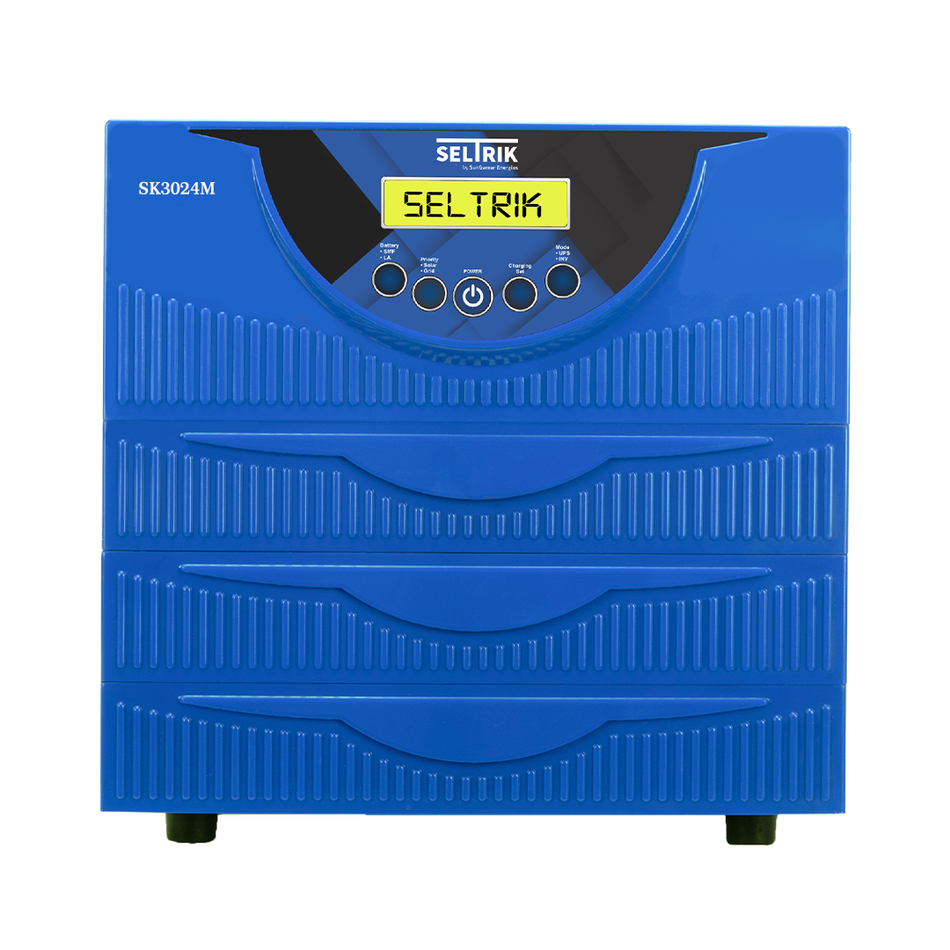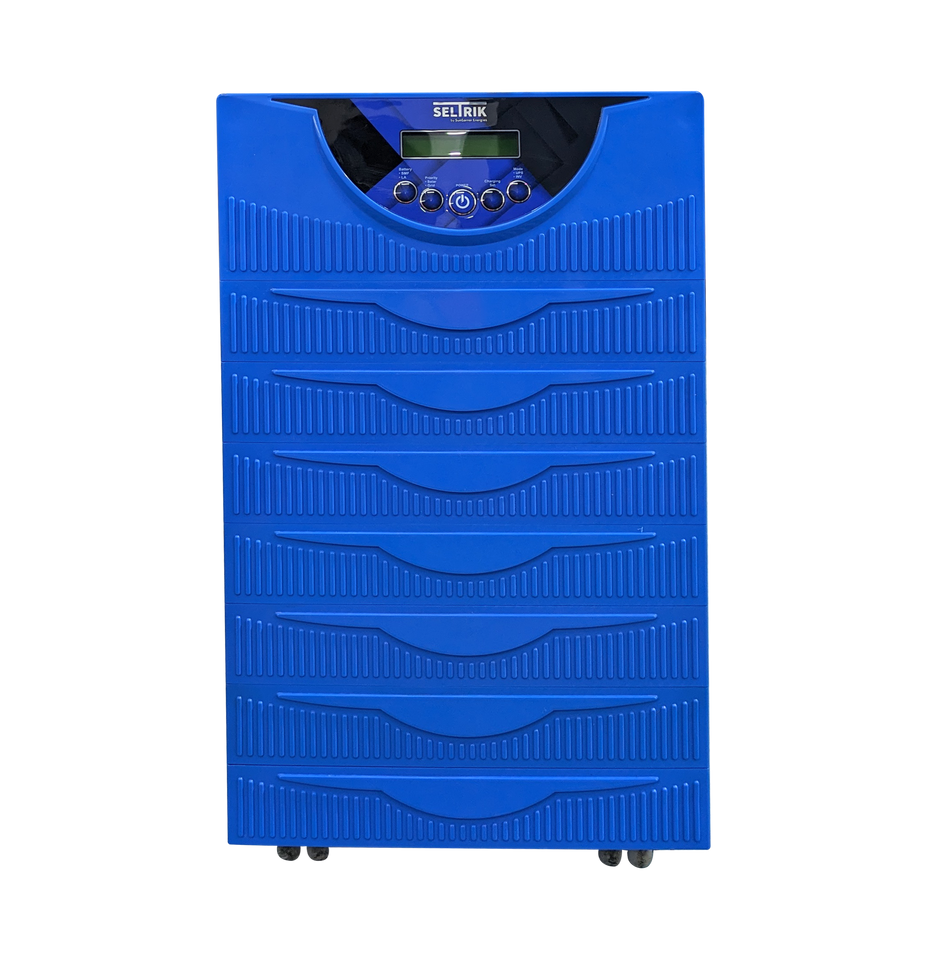

An off grid solar inverter is a core component of an off grid solar system (also called a standalone solar system) that lets you generate, store, and use your own electricity without relying on the utility grid. These systems are especially useful in locations with unreliable power, frequent outages, remote homes, farms, telecom sites, and other areas where grid access is limited or unavailable.
This guide explains how off-grid systems work, the main inverter types, indicative costs in India, battery choices, sizing considerations, and the limitations you should evaluate before buying.
What Is an Off-Grid Solar Inverter?
An off-grid inverter converts direct current (DC) from solar panels and batteries into alternating current (AC) for everyday appliances.
Key distinction
Unlike on-grid (grid-tied) inverters, off-grid inverters are designed to operate independently of the utility grid and therefore require battery storage to provide power after sunset or during cloudy periods.
How an Off-Grid Solar System Works
A typical off-grid solar power system includes:
|
Component |
Function |
|
Solar panels |
Generate electricity from sunlight. |
|
Off-grid inverter / solar inverter with battery charging capability |
Converts DC to AC and manages battery charging/discharging. |
|
Battery bank (solar battery storage) |
Stores excess solar energy for use at night or during low sunlight. |
|
Protection & balance-of-system components |
MCBs, fuses, surge protection, cabling, and disconnects for safety and reliability. |
During the day, solar panels power loads and charge the batteries. At night or during poor weather, the inverter draws energy from the battery bank and continues supplying AC power to connected appliances.
Practical note
In many Indian residential installations, the inverter, charge controller, and charger functions are combined into a solar PCU (Power Conditioning Unit) for simpler installation and maintenance.
Benefits of Off-Grid Solar Inverters
1. Energy independence: Your home or site can operate without relying on utility supply.
2. Uninterrupted backup power: With adequate battery capacity, the system continues running during outages and at night.
3. Ideal for remote locations: Useful where extending the grid is expensive or impractical.
4. Long-term savings potential: Electricity bills can be reduced substantially, especially where generator use is common.
5. Cleaner energy source: Solar generation produces no operational emissions.
For many households facing daily power cuts, an off grid solar inverter for home can also function as a dependable solar power backup system while reducing diesel generator usage.
Limitations You Should Consider
Important trade-offs
1. Higher upfront cost: Batteries are a major cost driver compared with on-grid systems.
2. Battery replacement expense: Batteries wear out and must be replaced periodically.
3. Weather dependency: Extended cloudy periods require sufficient battery storage and conservative load planning.
4. More maintenance than grid-tied systems: Battery health monitoring is essential.
5. No net metering export in a true off-grid setup: Excess energy is stored or curtailed rather than sold to the grid.
Types of Off-Grid Solar Inverters
|
Type |
Best for |
Notes |
|
Pure Off-Grid Inverter |
Dedicated standalone systems |
Operates only with solar panels and batteries. |
|
MPPT-Enabled Off-Grid Inverter |
Most modern residential systems |
MPPT (Maximum Power Point Tracking) improves solar energy harvest and battery charging efficiency. |
|
Solar PCU (Power Conditioning Unit) |
Homes seeking simpler installation |
Combines inverter, charger, and charge-controller functions. |
Buying tip
For most new residential installations, an MPPT-enabled pure sine wave inverter is usually the preferred choice because it delivers better compatibility with sensitive appliances and better solar utilization than older PWM-based designs.
Battery Choices: Lead-Acid vs Lithium
|
Feature |
Lead-Acid |
Lithium-Ion |
|
Upfront cost |
Lower |
Higher |
|
Cycle life |
Shorter |
Longer |
|
Depth of discharge |
Typically lower |
Typically higher |
|
Maintenance |
More maintenance (for flooded types) |
Low maintenance |
|
Space & weight |
Bulkier/heavier |
More compact |
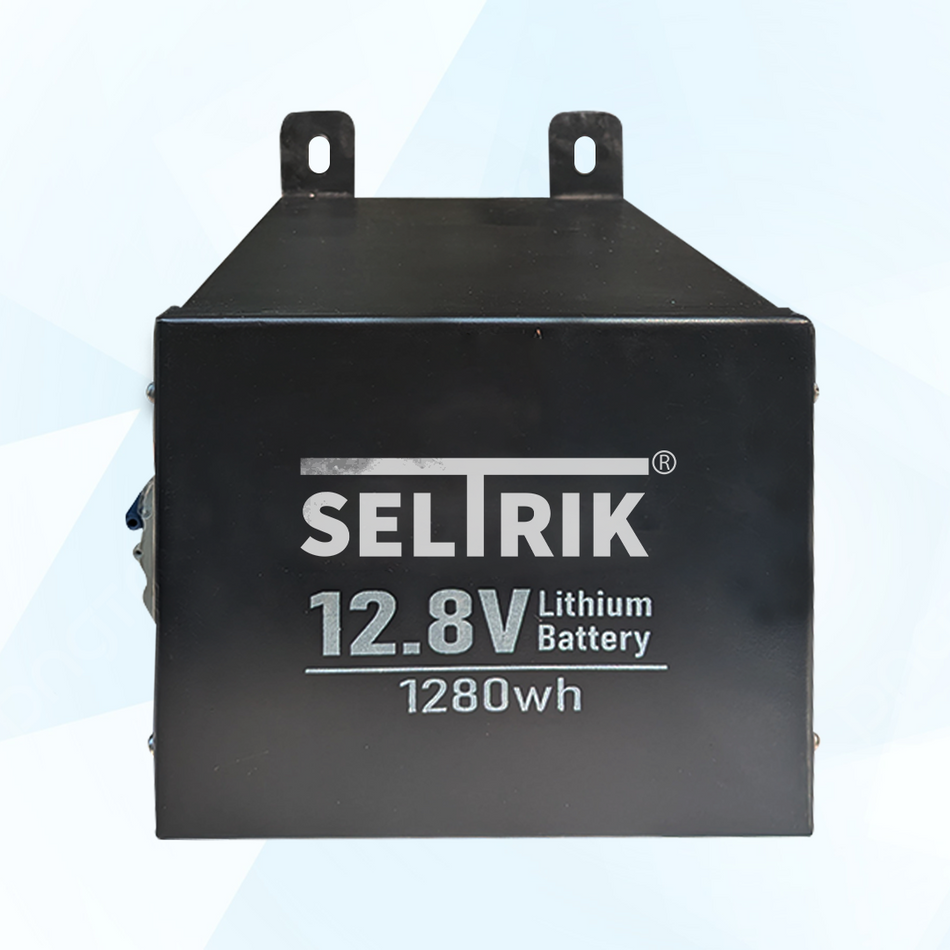
Modern solar battery storage systems increasingly use lithium battery for solar applications because of their longer lifespan, higher usable capacity, and lower maintenance needs. Lead-acid batteries remain popular in budget-sensitive projects due to lower initial cost.
Off-Grid Solar Inverter Price & System Cost (India)
Price disclaimer
The figures below are indicative estimates for the Indian market only. Actual pricing varies by battery chemistry (lead-acid vs lithium), inverter brand, panel type, mounting structure, installation complexity, and local labor costs.
Indicative inverter-only pricing
|
Capacity |
Indicative inverter price |
|
1–2 kW |
₹15,000–₹30,000 |
|
3 kW |
₹25,000–₹45,000 |
|
5 kW |
₹45,000–₹80,000+ |
Indicative complete system pricing
|
System size |
Indicative complete system cost |
|
1 kW off-grid system |
Around ₹1.6 lakh |
|
3 kW off-grid system |
Around ₹2.8–₹4.6 lakh |
|
5 kW off-grid system |
Around ₹4–₹7.7 lakh |
These ranges generally include solar panels, inverter, batteries, mounting hardware, protection devices, and installation.
The overall off grid solar system price depends heavily on battery technology and required backup duration. A lithium-based system can cost more initially but may have lower lifetime maintenance and replacement costs.
Off-Grid vs On-Grid vs Hybrid
|
Feature |
Off-Grid |
On-Grid |
Hybrid |
|
Grid connection required |
No |
Yes |
Yes |
|
Battery required |
Yes |
No / optional |
Yes / optional depending on design |
|
Backup during outages |
Yes |
Usually no |
Yes |
|
Net metering export |
No |
Yes (policy-dependent) |
Often yes (policy-dependent) |
|
Best for |
Remote areas, unreliable grid |
Stable grid, bill savings |
Backup + bill savings |
If grid power is available but unreliable, many homeowners find a hybrid solar system more economical than a fully off-grid setup because battery capacity requirements can be smaller.
Example: 3 kW Off-Grid Solar System for a Home
A well-designed 3 kW off-grid system may support loads such as:
· 8–10 LED lights
· 4–5 ceiling fans
· 1 refrigerator
· Television and router
· Laptop and phone charging
· Air conditioner / Water pump

Important
Whether it can run a water pump or air conditioner depends on the inverter surge rating, battery capacity, wiring design, and the appliance's starting current. System sizing should be based on measured daily energy consumption (kWh/day) and peak demand (kW).
How to Choose the Right Off-Grid Solar Inverter
1. Measure your loads: List appliances and calculate both daily energy use (kWh) and peak power demand (kW).
2. Add headroom: Choose inverter capacity above expected peak load to handle motor starts and future expansion.
3. Match battery voltage: Common residential battery banks are 12V, 24V, or 48V. Larger systems increasingly use 48V for lower current and improved efficiency.
4. Prefer key features: MPPT charge controller, pure sine wave inverter output, high conversion efficiency, and adequate surge rating.
5. Check warranty and service network: Local support can matter as much as specifications.
6. Ask for a detailed sizing sheet: A reputable installer should provide load calculations, autonomy days, battery sizing assumptions, and expected performance.
Installation & Maintenance Tips
1. Install the inverter in a dry, ventilated location away from direct heat and moisture.
2. Keep battery banks within the manufacturer's recommended temperature range.
3. Inspect terminals, fuses, breakers, and cables periodically for corrosion or loose connections.
4. For lead-acid systems, follow the battery manufacturer's maintenance schedule.
5. Use appropriately rated DC disconnects, fuses, and surge protection devices for safety.
Summary
An off grid solar inverter is the heart of an off grid solar solution, enabling homes and businesses to run on solar energy and stored battery power without relying on the utility grid. The biggest advantages are energy independence, backup during outages, and suitability for remote or unreliable-grid locations. The main trade-offs are higher upfront cost and battery replacement over time. For most new residential projects, an MPPT-enabled pure sine wave inverter paired with appropriately sized battery storage offers the best balance of performance, reliability, and future compatibility.
Frequently Asked Questions
Q: Can an off-grid solar inverter run an air conditioner?
A: Yes—if the inverter and battery bank are sized for the AC's startup surge and running load. Small systems often struggle with large AC compressors unless designed specifically for them.
Q: Which battery is best for an off-grid solar system?
A: Lithium-ion batteries generally offer longer lifespan, higher usable capacity, and lower maintenance. Lead-acid batteries remain attractive for lower upfront cost.
Q: How long does an off-grid solar inverter last?
A: Quality inverters commonly last 10–15 years or more with proper installation and maintenance, though actual life depends on temperature, load profile, and power quality conditions.
Q: Is subsidy available for off-grid solar systems in India?
A: Subsidy availability changes over time and depends on project type and current government programs. Check the latest MNRE guidelines and your state/distribution company policies.
Q: What is the difference between an off-grid solar system and a solar inverter with battery backup?
A: A simple solar inverter with battery backup may still depend on the grid for charging or operation. A true off-grid solar system is designed to operate independently using solar generation and battery storage as the primary energy source