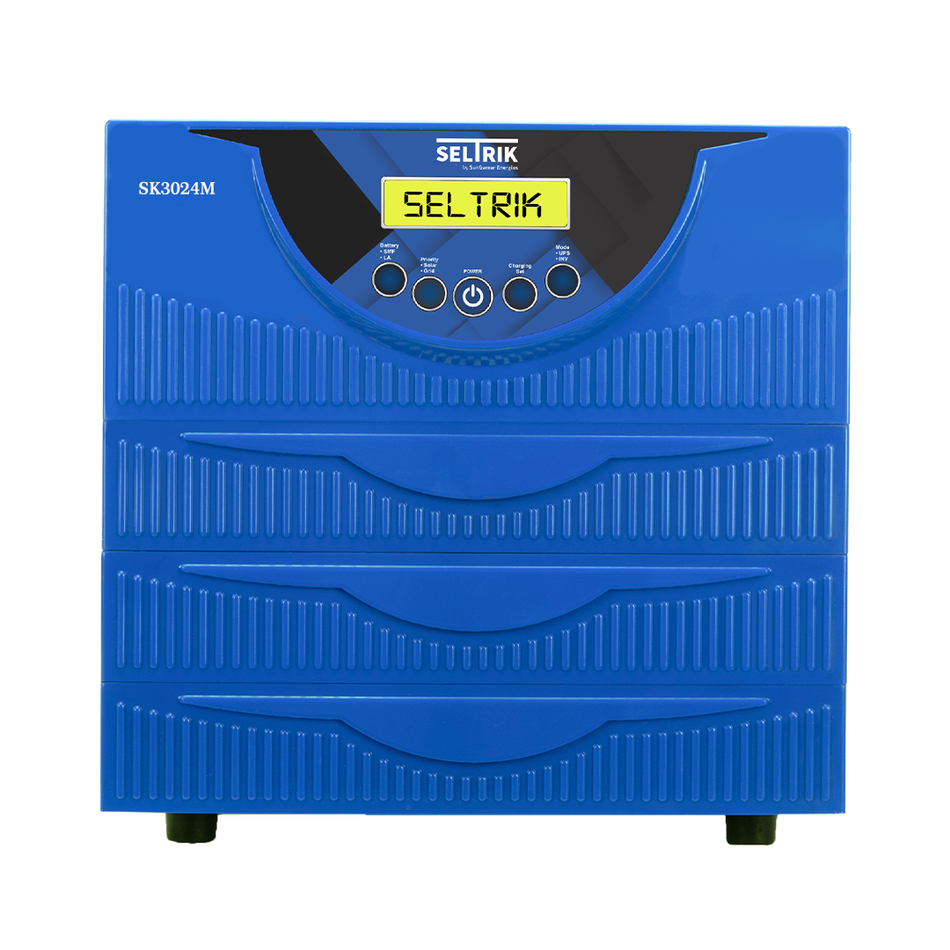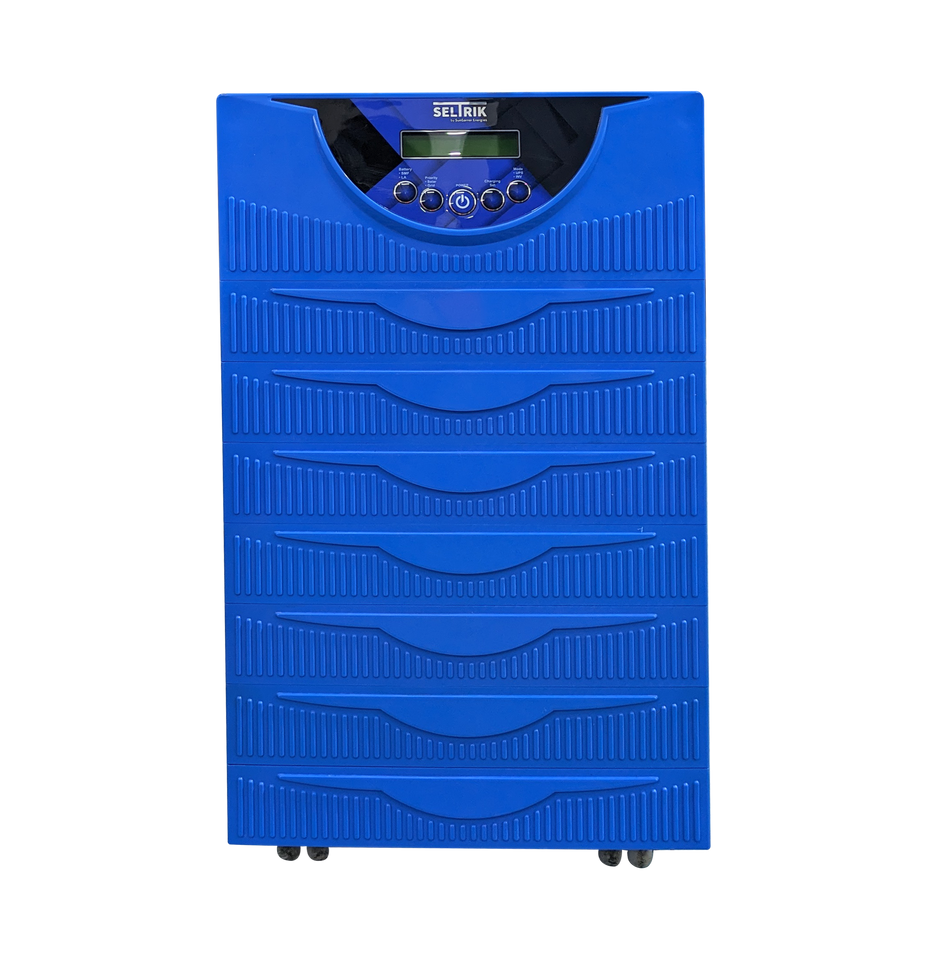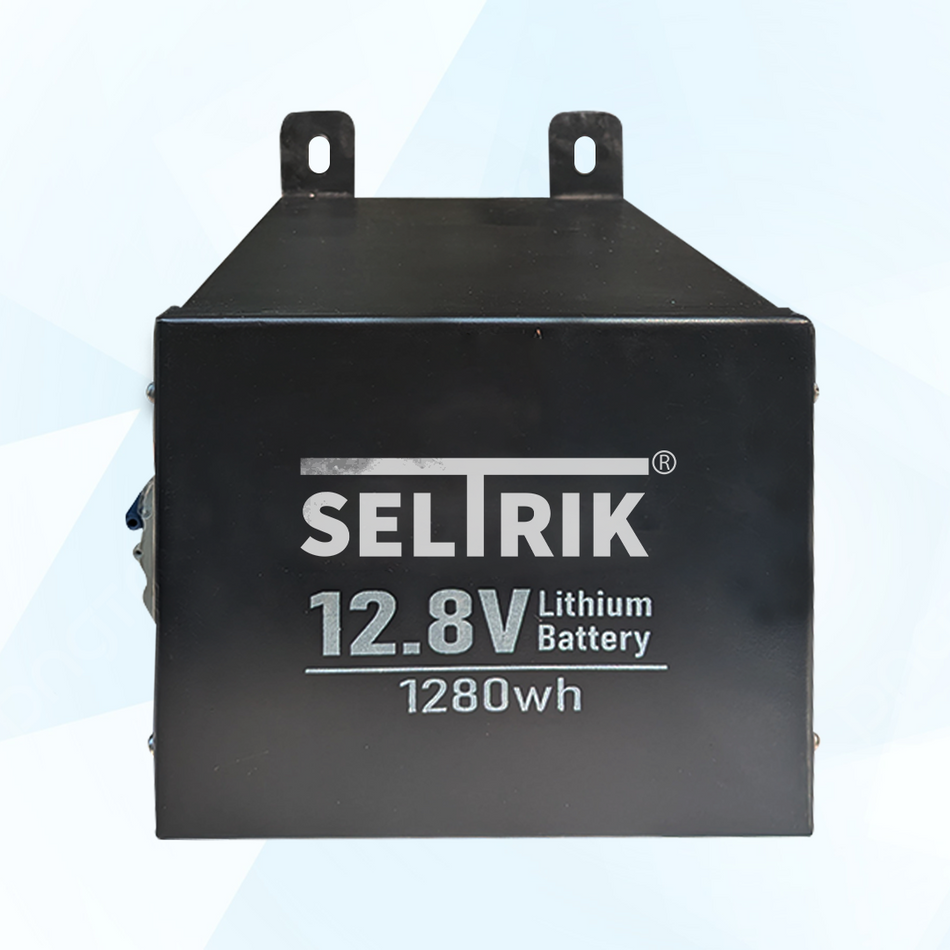

A 10kW solar system is a popular choice for large homes, villas, offices, shops, clinics, institutions and other properties with high electricity consumption. With the right rooftop space and system design, it can generate a substantial amount of clean electricity and reduce dependence on grid power.
But before investing, it is important to understand the 10kW solar system price in India, government subsidy, electricity generation, installation cost, required roof area, specifications and ROI.
In this guide, we explain everything you need to know before purchasing a 10kW solar system in India.
Quick answer: 10kW Solar System Price in India
A 10kW on-grid solar system generally costs around ₹5.0 lakh–₹7.5 lakh before subsidy, depending on panel technology, inverter, mounting structure, installation location and project requirements. Current market references show installed prices within this broad range.
For eligible residential consumers under PM Surya Ghar, the maximum central subsidy is ₹78,000 for systems of 3kW and above. The subsidy does not increase further when the system capacity goes from 3kW to 5kW, 10kW or higher.
|
Parameter |
Approximate Details |
|
System Capacity |
10kW |
|
On-Grid Price |
₹5 lakh–₹7.5 lakh |
|
Central Residential Subsidy |
Up to ₹78,000 |
|
Indicative Cost After ₹78,000 Subsidy |
₹4.22 lakh–₹6.72 lakh |
|
Annual Generation |
Approximately 13,000–16,000 units |
|
Daily Average Generation |
Approximately 35–45 units |
|
Roof Area |
Around 800–1,100 sq. ft. |
|
Panel Requirement |
Around 17–25 panels, depending on wattage |
|
Typical Inverter |
10kW, often three-phase |
|
Best For |
Large homes, offices, shops and high-consumption properties |
These are indicative figures, not fixed quotations. Actual cost and generation depend on location, equipment, roof conditions and electricity requirements.
What Is a 10kW Solar System?
A 10kW solar system is a photovoltaic system designed to provide approximately 10kW of installed solar capacity.
A typical system consists of:
- Solar PV panels
- 10kW solar inverter
- Mounting structure
- DC and AC cables
- Protection devices
- Earthing
- Monitoring system
- Metering/interconnection equipment
- Installation and commissioning
The number of panels required depends on the wattage of each module.
For example:
- 400W panels → 25 panels
- 500W panels → 20 panels
- 540W panels → approximately 19 panels
- 550W panels → approximately 19 panels
- 600W panels → approximately 17 panels
The final number should be determined by the system designer based on panel electrical characteristics, inverter limits and available roof space.
10kW Solar System Price in India
The 10kW solar system cost in India varies depending on the components and installation requirements.
For a typical on-grid system, a reasonable market planning range is approximately:
₹5 lakh–₹7.5 lakh before subsidy.
Some current market references place standard systems closer to ₹5.5–₹6.5 lakh, while premium equipment or more complex installations can push the cost higher.
Indicative Cost Breakdown
|
Component |
Approximate Cost |
|
Solar panels |
₹2.0–₹3.0 lakh |
|
10kW inverter |
₹60,000–₹1.2 lakh |
|
Mounting structure |
₹30,000–₹60,000 |
|
Cables & protection |
₹20,000–₹40,000 |
|
Installation & commissioning |
₹20,000–₹40,000 |
|
Other electrical/DISCOM requirements |
Varies |
|
Total |
Approx. ₹5–₹7.5 lakh |
The final quotation may vary because of:
- Panel brand and technology
- Inverter brand
- Roof height
- Mounting structure
- Cable length
- Civil work
- Electrical upgrades
- Installation complexity
- Warranty and service package
Therefore, compare the complete bill of materials and installation scope, not only the price per kW.
10kW Solar System Price After Subsidy
The PM Surya Ghar subsidy is one of the most important factors for residential customers.
The current central subsidy structure provides:
- ₹30,000/kW for the first 2kW
- ₹18,000 for the additional 1kW
- Maximum central CFA of ₹78,000 for 3kW and above
Therefore, an eligible residential 10kW solar system can receive up to ₹78,000 in central subsidy.
Example
Suppose your 10kW solar system costs:
₹6,00,000
Central subsidy:
₹78,000
Indicative net cost:
₹6,00,000 − ₹78,000 = ₹5,22,000
If the system costs ₹7,00,000:
₹7,00,000 − ₹78,000 = ₹6,22,000
These are examples only. Actual subsidy and payment arrangements depend on eligibility, scheme procedures and verification.
Does a 10kW Solar System Get More Than ₹78,000 Subsidy?
Under the central PM Surya Ghar residential CFA structure, no.
The subsidy reaches ₹78,000 at 3kW and remains capped at that level for larger eligible systems.
This means:
|
System Size |
Maximum Central CFA |
|
1kW |
₹30,000 |
|
2kW |
₹60,000 |
|
3kW |
₹78,000 |
|
5kW |
₹78,000 |
|
10kW |
₹78,000 |
Additional state incentives may exist in some locations, but these should be checked against the current state and DISCOM rules before being included in a quotation.
Residential vs Commercial 10kW Solar Subsidy
This distinction is extremely important.
The PM Surya Ghar central CFA is designed for eligible residential consumers.
Therefore, a business with a commercial electricity connection should not automatically assume that it can claim the ₹78,000 residential subsidy.
For commercial projects, the financial analysis should instead consider:
- Electricity tariff
- Annual electricity consumption
- Daytime energy usage
- Net-metering regulations
- Applicable tax treatment
- Financing
- Depreciation benefits where applicable
- State-specific incentives
A 10kW solar system can therefore have very different ROI for a homeowner and a business.
How Much Electricity Does a 10kW Solar System Generate?
A 10kW solar system can generate approximately:
13,000–16,000 units per year
under favorable conditions.
That is roughly:
35–45 units per day on an annualized average.
Some market references estimate around 1,200–1,500 units per month for a 10kW system, although actual production varies by location and system design.
Factors affecting generation
- Location
- Solar irradiation
- Panel orientation
- Tilt angle
- Shading
- Dust
- Temperature
- Module efficiency
- Inverter efficiency
- Cable losses
- Weather
- Maintenance
Therefore, generation should always be presented as an estimate rather than a guarantee.
How Much Roof Area Is Required for 10kW Solar?
A 10kW rooftop system generally requires around:
800–1,100 sq. ft.
of usable roof space.
The exact area depends on:
- Panel dimensions
- Panel wattage
- Panel layout
- Roof shape
- Shading
- Maintenance pathways
- Structural requirements
Higher-wattage panels can reduce the number of modules required, potentially making them useful where roof space is limited.
However, the total roof area should include sufficient spacing and access rather than simply adding up panel dimensions.
10kW Solar Panel Requirements
The number of solar panels depends on their individual wattage.
|
Panel Wattage |
Approx. Panels for 10kW |
|
400W |
25 |
|
450W |
23 |
|
500W |
20 |
|
540W |
19 |
|
550W |
19 |
|
600W |
17 |
Modern high-wattage modules can reduce panel count.
However, a higher wattage panel is not automatically the best choice. The installer should also consider:
- Efficiency
- Voltage
- Current
- Temperature coefficient
- Inverter compatibility
- Warranty
- Available roof space
10kW Solar Inverter
The inverter converts the DC electricity generated by the solar panels into AC electricity used by appliances and the electrical grid.
For a 10kW system, the inverter may be approximately 10kW, with the exact configuration depending on the project design.
For larger rooftop systems, a three-phase inverter is often appropriate where the property has a three-phase connection.
Important inverter specifications
Before purchasing, check:
- Rated AC capacity
- Maximum PV input
- MPPT voltage range
- Number of MPPTs
- Maximum input current
- Maximum DC voltage
- Maximum efficiency
- IP rating
- Monitoring
- Warranty
- Grid compatibility
Do not select an inverter simply because it is labelled “10kW.” Its electrical specifications must match the PV array and site connection.
10kW On-Grid Solar System
An on-grid system connects the solar installation to the utility grid.
During the day:
Solar → Property Loads
Excess electricity can be exported to the grid under the applicable metering arrangement.
When solar generation is insufficient:
Grid → Property Loads
Advantages
- Lower initial cost
- No large battery bank
- Lower maintenance
- Good for reducing electricity purchases
- Suitable for properties with reliable grid supply
Important limitation
A standard on-grid inverter generally shuts down during a grid outage.
Therefore:
A normal on-grid solar system is not a backup power system.
If backup is required, a hybrid or battery-backed configuration should be considered.
10kW Hybrid Solar System
A hybrid system combines:
Solar + Grid + Battery
It can provide backup power depending on:
- Battery capacity
- Inverter configuration
- Critical load
- Backup duration
Hybrid systems are useful for properties where electricity savings and power backup are both important.
However, batteries significantly increase the initial investment.
A 10kW hybrid system with a 5kWh battery is very different from one with a 20kWh battery. Therefore, always ask the installer to specify battery capacity separately.
10kW Off-Grid Solar System
An off-grid system does not depend on the utility grid.
It generally includes:
- Solar panels
- Solar inverter
- Battery bank
- Charge management
- Electrical protection
For a property with substantial night-time consumption, the required battery capacity can become significant.
Off-grid systems should therefore be designed according to daily energy consumption and required backup hours, rather than simply choosing a 10kW solar array.
10kW Solar System Specifications
A typical 10kW rooftop system may have:
|
Specification |
Typical Value |
|
System capacity |
10kW |
|
Panel wattage |
500–600W |
|
Number of panels |
~17–20 |
|
Inverter |
~10kW |
|
Electrical connection |
Often three-phase |
|
Annual generation |
~13,000–16,000 units |
|
Roof area |
~800–1,100 sq. ft. |
|
System type |
On-grid / Hybrid / Off-grid |
|
Monitoring |
App/web based, depending on inverter |
|
PV module life |
Generally around 25 years or more |
Exact specifications should be determined after a site survey.
10kW Solar System ROI and Payback Period
ROI depends primarily on:
System cost + solar generation + electricity tariff + subsidy + self-consumption
Let's consider an example.
Assume:
- System generation = 14,000 units/year
- Electricity value = ₹7/unit
Annual energy value:
14,000 × ₹7 = ₹98,000
Suppose the net project investment after a ₹78,000 central subsidy is:
₹5,22,000
Simple payback:
₹5,22,000 ÷ ₹98,000 ≈ 5.3 years
This is only an illustrative calculation.
Actual payback may differ because of:
- Electricity tariff
- Export compensation
- System generation
- Maintenance
- Financing cost
- Degradation
- Subsidy
- Future tariff changes
Some market analyses place typical payback around 4–7 years depending on customer type and electricity tariff.
10kW Solar System for Home
A 10kW solar system may be suitable for a large home with high electricity consumption.
It can help offset electricity used by:
- Multiple ACs
- Refrigerators
- Water pumps
- Geysers
- Washing machines
- EV chargers
- Lighting
- Computers
- Other household appliances
However, system sizing should be based on 6–12 months of electricity bills, rather than simply counting appliances.
For example, if a home consumes approximately 1,000 units every month, annual consumption is:
1,000 × 12 = 12,000 units
A 10kW system could potentially produce a similar order of annual energy in a suitable location, although generation and consumption will not occur at exactly the same time.
10kW Solar System for Commercial Use
A 10kW system can also be suitable for:
- Offices
- Shops
- Clinics
- Restaurants
- Warehouses
- Small factories
- Hotels
- Educational institutions
Commercial projects can have attractive solar economics because businesses may have higher electricity tariffs and significant daytime consumption.
However, the financial analysis should be based on the property's actual electricity bill and applicable state/DISCOM regulations.
10kW Solar System Maintenance
Solar systems generally require relatively low maintenance.
Panel cleaning
Dust and bird droppings can reduce generation.
Inverter inspection
Monitor:
- Error messages
- Temperature
- Generation
- Communication
Cable inspection
Look for:
- Loose connections
- Damage
- Connector issues
- Overheating
Structure inspection
Check:
- Corrosion
- Loose bolts
- Structural damage
Performance monitoring
Compare actual generation with expected production to identify problems early.
How Long Does a 10kW Solar System Last?
Solar panels are generally designed for around 25 years or more of operation, although their output gradually decreases over time.
Other components have different service lives.
Solar panels
Long operating life with gradual degradation.
Inverter
Usually a shorter service life than PV modules and may need replacement during the system's lifetime.
Mounting structure
Can provide long-term service when correctly designed and protected against corrosion.
Battery
Hybrid and off-grid systems require separate battery-life calculations based on battery chemistry, cycles, depth of discharge and operating conditions.
10kW Solar System Buying Checklist
Before purchasing, ask the installer for:
- Panel brand and model
- Panel wattage
- Panel technology
- Module efficiency
- Inverter brand and model
- Inverter capacity
- MPPT configuration
- Mounting structure specifications
- DC/AC cable specifications
- Protection equipment
- Earthing details
- Monitoring system
- Installation scope
- Warranty documents
- Generation estimate
- Subsidy eligibility
- DISCOM/net-metering scope
- Payment schedule
- After-sales service terms
Don't compare quotations only on price.
A ₹5 lakh quotation and a ₹6.5 lakh quotation may not contain the same:
- Panels
- Inverter
- Structure
- Protection
- Warranty
- Installation scope
- Service support
Always compare the complete Bill of Materials (BOM).
Final Takeaway
A 10kW solar system can be a practical solution for large homes and businesses with high electricity consumption.
The 10kW solar system price in India is broadly around ₹5 lakh–₹7.5 lakh before subsidy, although actual quotations vary according to equipment, location and installation requirements.
For eligible residential consumers, the PM Surya Ghar central subsidy can provide up to ₹78,000, but the subsidy does not increase beyond 3kW.
A properly designed 10kW system can generate approximately 13,000–16,000 units annually, potentially delivering significant long-term electricity savings.
Before investing, compare:
System cost + subsidy eligibility + generation + electricity tariff + equipment quality + roof area + installation + warranty + after-sales service.
For commercial properties, also consider:
Daytime consumption + commercial tariff + metering rules + tax benefits + financing + applicable incentives.
The best solar system is not necessarily the cheapest one. The right system is the one that is correctly sized for the property's electricity consumption and provides a clear, realistic return on investment.
Frequently Asked Questions
What is the price of a 10kW solar system in India?
A 10kW on-grid system generally costs around ₹5 lakh–₹7.5 lakh before subsidy, depending on equipment and installation conditions.
What is the subsidy for a 10kW solar system?
Eligible residential consumers can receive up to ₹78,000 central subsidy under PM Surya Ghar. The central subsidy is capped at the 3kW level.
How many units does a 10kW solar system generate?
A reasonable planning range is approximately 13,000–16,000 units per year, although actual generation varies by location and system design.
How many solar panels are needed for 10kW?
Depending on module wattage, approximately 17–25 panels may be required.
For example, 20 × 500W panels provide 10kW DC capacity.
How much roof area is required for a 10kW solar system?
Approximately 800–1,100 sq. ft. of usable rooftop area is a useful planning range.
Is 10kW solar enough for a large house?
It can be suitable for a high-consumption home, but the correct size should be determined from historical electricity consumption and site conditions.
Can a 10kW solar system run multiple ACs?
It can offset substantial daytime AC consumption, but the simultaneous load, inverter capacity and grid connection must be considered.
Does a 10kW on-grid solar system work during a power cut?
Normally, no. A standard grid-connected inverter shuts down when the grid fails. Backup requires a suitable hybrid or battery-based system.
Is a 10kW solar system suitable for a business?
Yes. Offices, shops, clinics, warehouses and other businesses can use 10kW systems where the load and rooftop are suitable. Commercial ROI should be calculated using the business's actual tariff and consumption profile.
What is the lifespan of a 10kW solar system?
Solar modules are generally designed for around 25 years or more, while inverters and batteries have different service lives.