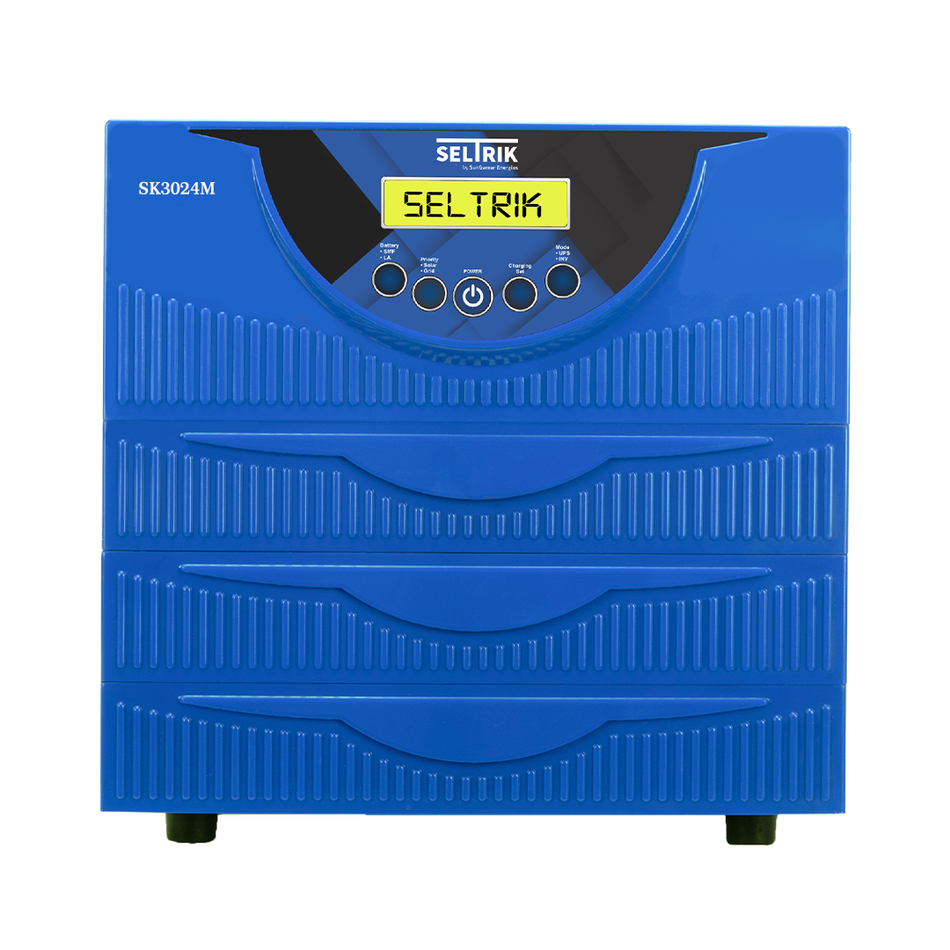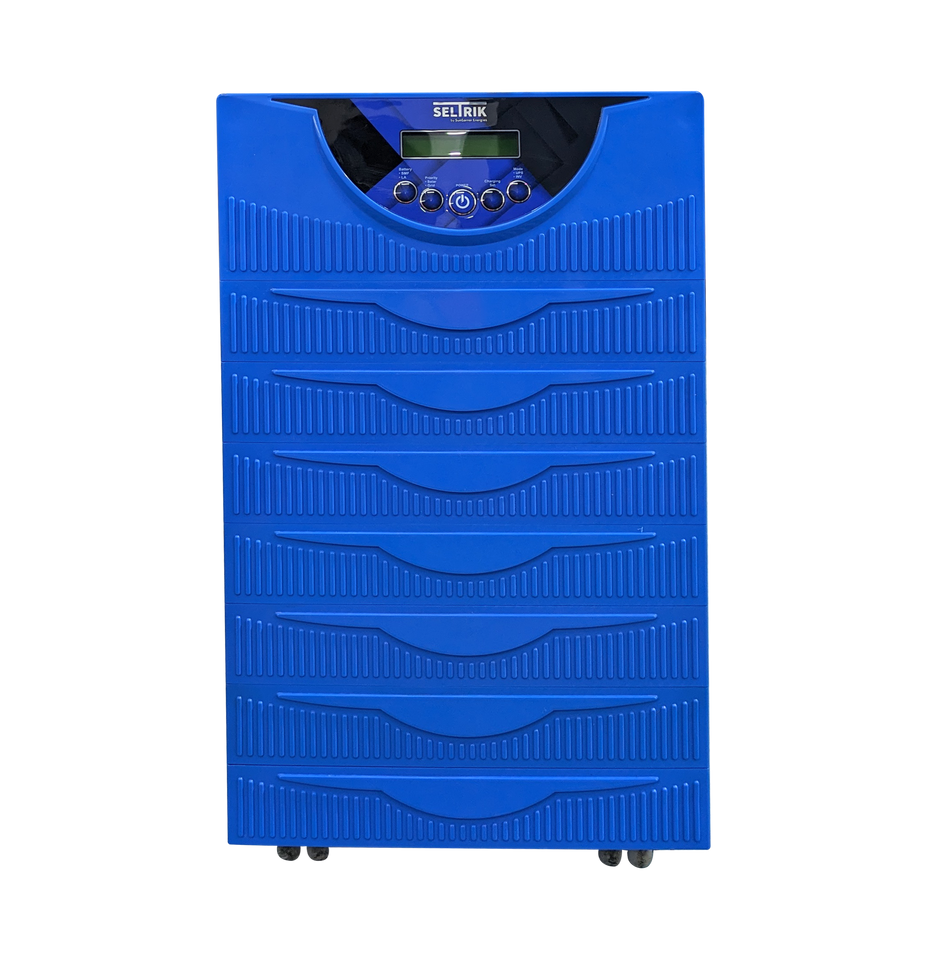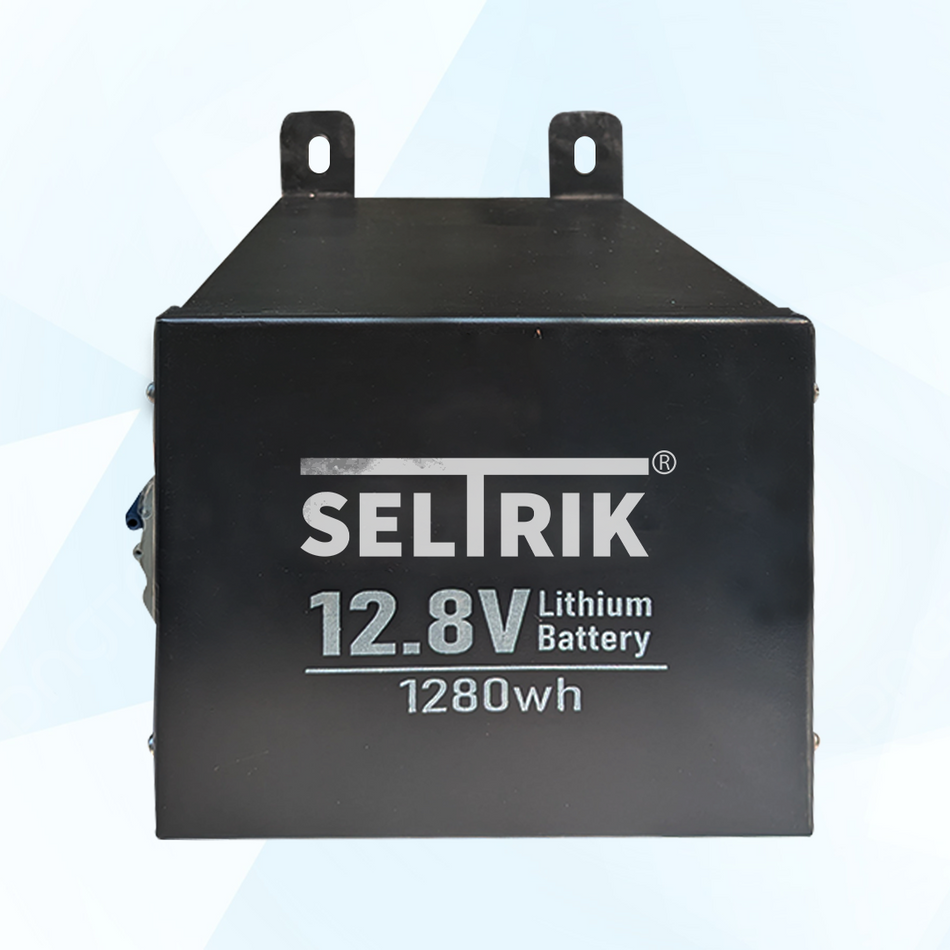

A 1kW solar system is one of the most popular entry-level rooftop solar solutions for Indian homes with relatively low electricity consumption. It can help reduce monthly electricity bills while requiring less rooftop space and a lower initial investment than larger systems.
But the 1kW solar system price in India is not a single fixed number. The final cost depends on the system type, solar panel technology, inverter, mounting structure, installation charges, location, GST, and subsidy eligibility.
For a residential on-grid 1kW solar system, the installed price can typically fall in the ₹65,000–₹1,00,000 range before applicable subsidy, depending on the components and installation scope. Eligible residential consumers can receive central financial assistance under the PM Surya Ghar Muft Bijli Yojana. The official government portal should always be checked for the latest subsidy rules and application requirements.
This guide explains everything you need to know before buying a 1kW solar system in India, including:
- 1kW solar system price
- 1kW solar panel price
- PM Surya Ghar subsidy
- Installation cost
- Required rooftop area
- Solar generation
- On-grid vs off-grid options
- Solar inverter specifications
- ROI and payback period
- Maintenance requirements
- Buying checklist
Quick Answer: What Is the 1kW Solar System Price in India?
For a residential rooftop installation, an indicative 1kW solar system cost is:
|
Component / Cost |
Approximate Range |
|
1kW solar panels |
₹20,000–₹30,000 |
|
1kW solar inverter |
₹10,000–₹20,000 |
|
Mounting structure |
₹6,000–₹12,000 |
|
Cables & protection equipment |
₹5,000–₹10,000 |
|
Installation & commissioning |
₹8,000–₹15,000 |
|
Other charges |
₹5,000–₹15,000 |
|
Typical installed price |
₹65,000–₹1,00,000 |
These are indicative market ranges rather than government-fixed prices. Your actual solar installation cost can be higher or lower depending on the equipment, roof, city, installer, and quotation inclusions.
1kW Solar System Price After Subsidy
For eligible residential consumers, the central subsidy for a 1kW rooftop solar installation is ₹30,000, subject to the applicable scheme conditions. The official PM Surya Ghar portal is the appropriate place to verify current eligibility and subsidy procedures.
For example:
System price: ₹80,000
Indicative central subsidy: ₹30,000
Effective cost: ₹50,000
The subsidy should not be treated as an automatic upfront discount. The actual disbursement process depends on scheme requirements, installation, verification and the applicable DISCOM process.
What Is a 1kW Solar System?
A 1kW solar system has a rated solar generation capacity of approximately 1 kilowatt under standard test conditions.
A typical residential system includes:
- Solar PV modules
- Solar inverter
- Mounting structure
- DC and AC cables
- Earthing and protection equipment
- Junction/combiner equipment where required
- Installation and commissioning
A 1kW system is generally suitable for households with relatively low electricity consumption.
However, the right system size should be based on your actual electricity consumption rather than simply choosing the smallest available system.
1kW Solar System for Home: Is It Enough?
A 1kW solar system can be a good starting point for:
- Small homes
- 1–2 BHK properties
- Low electricity consumption households
- Homes with limited rooftop space
- Users who want to reduce daytime electricity consumption
It can help offset electricity used by appliances such as:
- Fans
- LED lights
- Television
- Refrigerator
- Wi-Fi router
- Computers
- Small kitchen appliances
However, a 1kW system may not be sufficient for a home with high electricity consumption, especially where air conditioners, water heaters, electric cooking appliances or multiple high-power appliances are used regularly.
Important:
Don't choose a 1kW system simply because it is cheaper.
Check your previous 6–12 months of electricity bills and calculate your average monthly consumption first.
How Much Electricity Does a 1kW Solar System Generate?
Solar generation varies with:
- Location
- Solar irradiation
- Weather
- Roof orientation
- Shading
- Panel technology
- System losses
- Inverter efficiency
- Maintenance
As a broad planning estimate, a 1kW rooftop solar system can generate around 1,400–1,600 units of electricity per year under suitable Indian conditions.
That works out to roughly:
|
Period |
Indicative Generation |
|
Daily average |
3.8–4.4 units |
|
Monthly average |
115–135 units |
|
Annual |
1,400–1,600 units |
These figures are estimates, not guaranteed generation. Actual output can vary considerably between locations and seasons.
How Many Solar Panels Are Required for 1kW?
The number of panels depends on the wattage of the selected module.
For example:
|
Panel Wattage |
Panels Required for ~1kW |
|
400W |
3 panels |
|
450W |
3 panels |
|
500W |
2 panels |
|
540W |
2 panels |
|
550W |
2 panels |
Two 550W panels provide 1.10kWp of module capacity, so the final system design may use a slightly higher DC module capacity with a 1kW-class inverter depending on the manufacturer's design and applicable standards.
Therefore, don't judge a solar system only by the number of panels. Check the total DC capacity, inverter rating and system design.
1kW Solar System Rooftop Area Requirement
A typical 1kW rooftop installation may require approximately:
80–100 sq. ft. of shadow-free roof area
The actual area depends on:
- Panel dimensions
- Panel wattage
- Mounting arrangement
- Roof shape
- Maintenance access
- Required spacing
A professional installer should inspect the roof before giving a final quotation.
Why Shadow-Free Space Matters
Even partial shading from:
- Water tanks
- Trees
- Nearby buildings
- Parapet walls
- Antennas
can reduce solar generation.
For this reason, available roof area alone is not enough. The usable, shadow-free area matters more.
1kW On-Grid Solar System Price
An on-grid system is connected to the electricity grid and normally does not include a battery.
Indicative price:
₹65,000–₹1,00,000 before subsidy
Benefits:
- Lower upfront cost
- No battery replacement expense
- Net-metering-based grid interaction where permitted
- Lower maintenance
- Suitable for homes with reliable grid electricity
The main limitation is that a conventional grid-connected inverter normally shuts down during a grid outage for safety reasons.
Therefore:
On-grid solar is not the same as backup power.
If you need electricity during power cuts, consider a hybrid system with appropriate battery storage.
1kW Hybrid Solar System Price
A hybrid solar system combines:
Solar panels + hybrid inverter + battery + grid
Because it includes energy storage, the price is significantly higher than a standard on-grid system.
The final cost depends heavily on:
- Battery capacity
- Battery chemistry
- Hybrid inverter
- Backup requirement
- Installation complexity
A lithium battery generally costs more initially than lead-acid storage but can provide advantages in cycle life, usable capacity and maintenance.
Choose hybrid solar if:
- Your area experiences frequent outages
- You need backup power
- You want to store solar energy
- Reliability is more important than the fastest payback
1kW Off-Grid Solar System Price
An off-grid system operates without depending on the electricity grid.
It normally includes:
- Solar panels
- Off-grid inverter
- Battery bank
- Mounting structure
- Protection equipment
- Wiring
The battery is a major part of the cost.
An off-grid 1kW system may therefore cost considerably more than an equivalent on-grid installation.
It is generally more appropriate for:
- Remote homes
- Farmhouses
- Locations with no reliable grid connection
For an urban home with a stable grid, an on-grid system is usually more economical.
PM Surya Ghar Subsidy for 1kW Solar System
The PM Surya Ghar Muft Bijli Yojana is the central rooftop solar programme for eligible residential consumers.
The government-operated National Portal for Rooftop Solar provides the online application framework and information related to the scheme.
For the central financial assistance structure:
|
System Capacity |
Central Subsidy |
|
1kW |
₹30,000 |
|
2kW |
₹60,000 |
|
3kW and above |
Up to ₹78,000 |
For a 1kW system:
Indicative subsidy = ₹30,000
However, subsidy eligibility depends on the applicable government requirements, approved equipment/vendor conditions and the consumer's connection and installation details.
Always verify the current rules before making a purchase.
How to Apply for 1kW Solar Subsidy
The government portal provides the application process for residential rooftop solar.
A simplified process is:
Step 1: Register
Enter your:
- State
- DISCOM
- Electricity consumer details
- Mobile number
Step 2: Submit Rooftop Solar Application
Submit the required information through the official portal.
Step 3: Feasibility / DISCOM Process
The application goes through the applicable DISCOM process.
Step 4: Select an Eligible Vendor
Choose a vendor available through the official process.
Step 5: Installation
The selected vendor installs the rooftop solar system.
Step 6: Inspection and Metering
The applicable inspection and metering process is completed.
Step 7: Subsidy Disbursement
After the required conditions are fulfilled, the subsidy is processed according to the scheme.
For current application requirements, use the official government portal rather than relying on an old blog or social-media post.
1kW Solar System Specifications: What Should You Check?
Price should not be your only consideration.
Before purchasing a 1kW solar power system, compare the following specifications.
1. Solar Panel Efficiency
Modern residential modules can offer high efficiency, allowing more power generation from limited rooftop space.
Instead of choosing a panel based only on its wattage, check:
- Module efficiency
- Temperature coefficient
- Product warranty
- Performance warranty
- Manufacturer documentation
2. Solar Panel Warranty
Ask the installer to clearly separate:
Product warranty
Covers manufacturing defects and product-related issues.
Performance warranty
Relates to the module's expected power output over time.
Don't confuse a 25-year performance warranty with a 25-year warranty against every possible failure.
3. Solar Inverter Specifications
For a 1kW system, check:
- Rated AC output
- Maximum DC input
- MPPT voltage range
- Maximum efficiency
- Protection features
- Monitoring options
- Warranty
- Service availability
A cheaper inverter is not necessarily better if replacement parts and service support are difficult to obtain.
4. Mounting Structure
The mounting structure should be suitable for:
- Roof type
- Local wind conditions
- Corrosion environment
- Panel dimensions
Galvanized steel and aluminium structures are commonly used depending on the project.
5. Earthing and Protection
A properly installed system should include appropriate electrical protection.
Depending on the system design, this can include:
- Earthing
- Surge protection
- DC protection
- AC protection
- Lightning protection where required
These are safety components, not optional decorative additions.
1kW Solar System ROI and Payback Period
The solar ROI depends on how much electricity the system generates and how valuable that electricity is to you.
A simple planning formula is:
Payback Period = Net Solar Investment ÷ Annual Electricity Savings
Example
Suppose:
System price: ₹80,000
Subsidy: ₹30,000
Net investment: ₹50,000
If the system generates approximately 1,500 units annually and the effective value of each unit is ₹7:
Annual electricity value ≈ ₹10,500
Estimated simple payback:
₹50,000 ÷ ₹10,500 ≈ 4.8 years
This is only an illustrative calculation.
Your actual solar payback period can be shorter or longer depending on:
- Electricity tariff
- Solar generation
- Self-consumption
- Net-metering rules
- System downtime
- Maintenance
- Future tariff changes
1kW Solar System Maintenance Cost
Solar PV systems generally have relatively low routine maintenance requirements.
Typical maintenance includes:
Panel Cleaning
Clean panels periodically to remove:
- Dust
- Bird droppings
- Pollen
- Dirt
Cleaning frequency depends on the local environment.
System Inspection
Check:
- Cables
- Mounting structure
- Earthing
- Inverter performance
- Electrical connections
A homeowner may spend a few thousand rupees annually on routine maintenance depending on location and whether an AMC is used.
Who Should Buy a 1kW Solar System?
A 1kW system can be appropriate if your home has:
- Relatively low electricity consumption
- Adequate shadow-free rooftop area
- A suitable grid connection
- Daytime electricity demand
- A goal of reducing electricity bills without making a large initial investment
Who Should Consider a Larger System?
Consider 2kW, 3kW, 5kW or more if you regularly use:
- Air conditioners
- Geysers
- Electric cooking equipment
- Water pumps
- Multiple refrigerators
- Several high-power appliances
The right capacity should be determined from your actual electricity consumption.
1kW Solar System Buying Checklist
Before signing a quotation, ask the installer:
Pricing
· Is the quoted price inclusive of GST?
· Is installation included?
· Is transportation included?
· Are structure and wiring included?
· Are any additional DISCOM/metering charges applicable?
Solar Panels
· What is the panel wattage?
· What is the efficiency?
· What is the product warranty?
· What is the performance warranty?
Inverter
· What is the inverter capacity?
· What is its efficiency?
· What is the warranty?
· Is local service available?
Installation
· Is the roof structurally suitable?
· Is the mounting structure corrosion-resistant?
· Is proper earthing included?
· Is electrical protection included?
Subsidy
· Is the system eligible under the applicable subsidy programme?
· Is the selected vendor participating through the official process?
· Has the latest subsidy amount been verified?
1kW Solar System vs 2kW vs 3kW
If you are unsure whether 1kW is enough, compare capacities before buying.
|
Feature |
1kW |
2kW |
3kW |
|
Approx. annual generation |
1,400–1,600 units |
2,800–3,200 |
4,200–4,800+ |
|
Rooftop area |
~80–100 sq. ft. |
~150–200 sq. ft. |
~200–250 sq. ft. |
|
Best for |
Low consumption |
Small family |
Medium consumption |
|
Central subsidy |
₹30,000* |
₹60,000* |
Up to ₹78,000* |
|
Typical application |
Basic household loads |
Moderate loads |
Larger household loads |
*Subject to current PM Surya Ghar eligibility and applicable scheme rules. Verify current details on the official portal.
Is a 1kW Solar System Worth Buying in 2026?
For a household with low electricity consumption and sufficient rooftop space, a 1kW solar system can be a practical way to start using solar energy.
However, the most important question isn't:
"How cheap is the 1kW solar system?"
It is:
"How much electricity do I actually consume, and what system size will give me the best long-term return?"
If your monthly electricity consumption is already higher than what a 1kW system can reasonably offset, paying slightly more for a 2kW or 3kW system may provide better long-term value.
Final Verdict
The 1kW solar system price in India is typically around ₹65,000–₹1,00,000 before subsidy for an indicative residential on-grid installation, although actual quotations vary by equipment, location and installation scope.
For eligible residential consumers, the central PM Surya Ghar financial assistance for 1kW is ₹30,000, subject to the scheme's current requirements.
A 1kW system can generate roughly 1,400–1,600 units per year under suitable conditions and generally requires around 80–100 sq. ft. of shadow-free rooftop space.
Before purchasing, compare complete installed quotations rather than just the 1kW solar panel price. Check the panel, inverter, mounting structure, protection equipment, warranties, installation quality and after-sales service.
For official subsidy and application information, always verify the latest requirements on the National Portal for Rooftop Solar and MNRE resources.
Frequently Asked Questions
What is the 1kW solar system price in India after subsidy?
An indicative on-grid 1kW system may cost ₹65,000–₹1,00,000 before subsidy. After an applicable ₹30,000 central subsidy, the effective cost could be approximately ₹35,000–₹70,000, subject to eligibility and the actual installation quotation.
How many units does a 1kW solar system generate?
A 1kW rooftop solar system may generate approximately 1,400–1,600 units per year under suitable conditions. Actual generation varies by location, shading, weather and system design.
How much roof space is required for a 1kW solar system?
Approximately 80–100 sq. ft. of usable, shadow-free rooftop space is a reasonable planning estimate, although the actual requirement depends on the selected modules and layout.
Is a battery required for a 1kW solar system?
No. A standard on-grid system does not require a battery. A battery is needed when backup or off-grid operation is required.
Can a 1kW solar system run an AC?
A 1kW system is generally not the ideal choice for regular air-conditioner operation. AC loads can be substantial, so homes using an AC regularly should evaluate their total consumption before selecting system capacity.
What is the best 1kW solar system for a home?
The best system is not necessarily the cheapest. Compare panel efficiency, inverter specifications, warranties, installation quality, subsidy eligibility, monitoring and after-sales service before choosing an installer.
Can I upgrade a 1kW solar system later?
Possibly, but expansion depends on the inverter's design, available roof space, electrical configuration and the compatibility of additional modules. If you expect your electricity consumption to increase, discuss future expansion with the installer before purchasing the initial system.