
Introduction: Why Choosing the Right Solar Inverter Matters in India
A solar inverter is the brain of a solar power system. It converts DC electricity generated by solar panels into usable AC power while ensuring grid compatibility, system safety, and optimal energy output.
In India, inverter selection is especially critical due to:
· Unstable grid voltage and frequent outages
· High ambient temperatures and dust conditions
· Diverse applications across residential, commercial, and industrial sectors
Choosing the right solar inverter directly impacts energy generation, system lifespan, safety compliance, and return on investment (ROI). With rapid growth in rooftop and C&I solar installations, understanding inverter technology is no longer optional—it is essential.
Types of Solar Inverters Available in India
On-Grid Solar Inverters
On-grid inverters operate in synchronization with the utility grid and are widely used in net-metering–enabled rooftop and commercial solar systems. They do not support battery backup but offer the highest efficiency and lowest upfront cost.
Best suited for: Urban homes, commercial buildings with reliable grid access
Off-Grid Solar Inverters
Off-grid inverters work independently of the utility grid and rely entirely on batteries. These systems are common in remote or rural locations where grid availability is limited or unreliable.
Best suited for: Remote homes, telecom sites, rural facilities
Hybrid Solar Inverters
Hybrid inverters combine the advantages of on-grid connectivity and battery storage. They allow energy storage for backup while also exporting surplus power to the grid where permitted.
Best suited for: Homes and businesses seeking backup power and future energy independence
Key Factors to Consider Before Buying a Solar Inverter in India
When selecting a solar inverter, consider the following critical parameters:
· Inverter capacity & system sizing (based on connected load and future expansion)
· DC–AC ratio (typically 1.1–1.3 for Indian conditions)
· Efficiency (Euro & peak efficiency) under high temperature
· MPPT voltage range & number of MPPTs
· Grid compatibility & net-metering approval
· Operating temperature & IP protection rating
· Warranty period & availability of service centers
· Monitoring features (Wi-Fi, LAN, SCADA compatibility)
· Compliance with MNRE, CEA & IEC standards
Top 10 Solar Inverter Brands in India (2026)
The following solar inverter brands are widely deployed across residential, commercial, and industrial solar projects in India.
The order does not represent performance ranking.
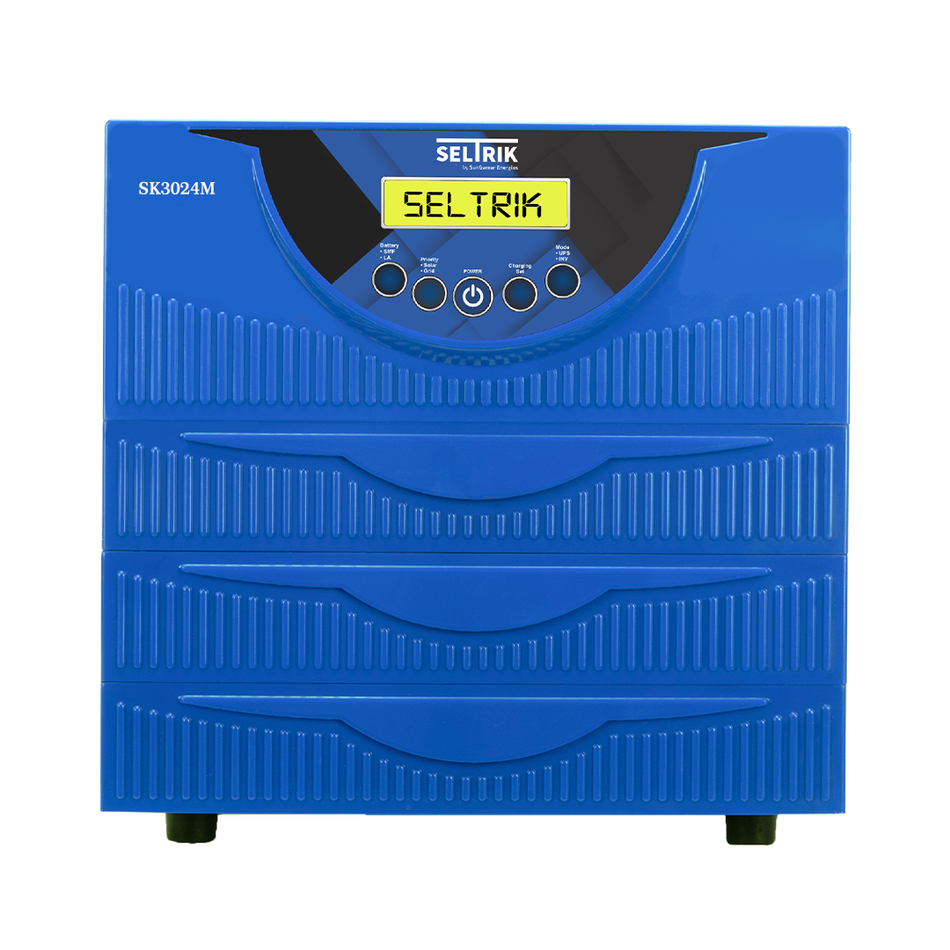
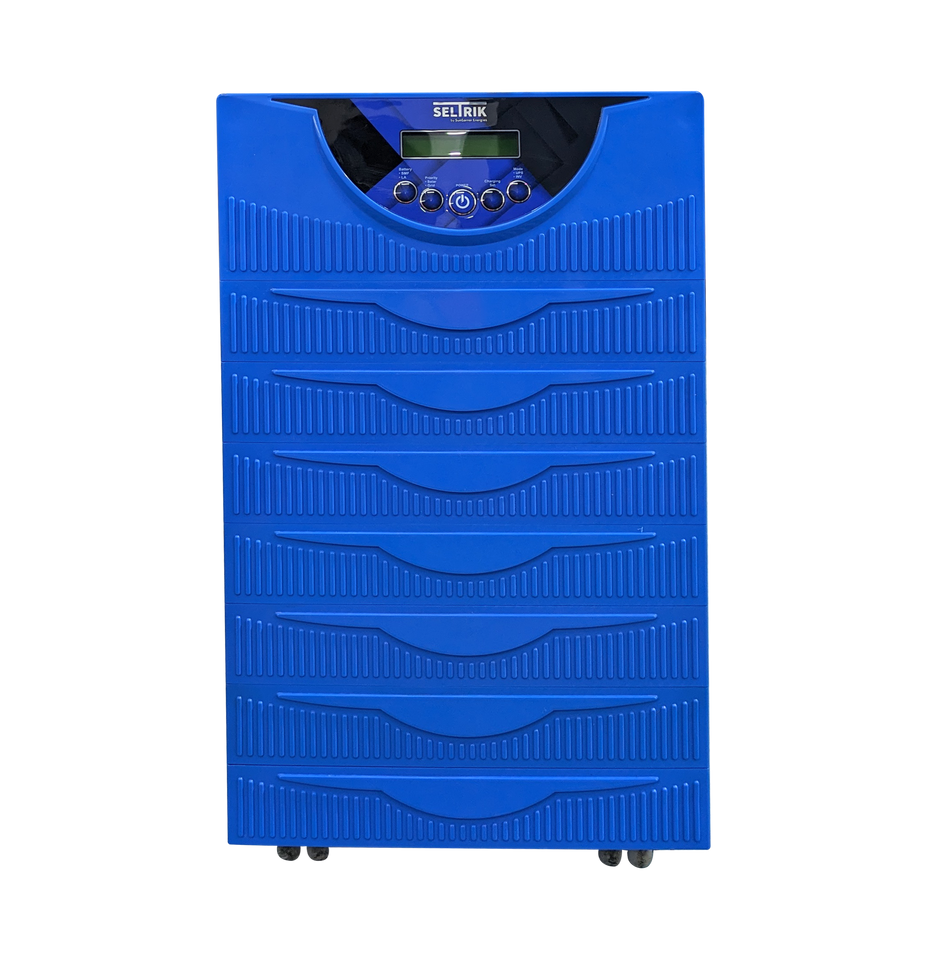
1. Seltrik Electric India Pvt Ltd (SunGarner Energies Ltd)
A Indian brand focused on residential, commercial, and industrial solar solutions. Seltrik (SunGarner) offers on-grid and off-grid solar inverters engineered specifically for Indian grid conditions, including voltage fluctuations and high-temperature environments. Its inverters are commonly deployed in rooftop solar systems as well as commercial installations across India.
2. Luminous Power Technologies
A leading Indian brand focused on residential and small commercial solar, known for strong service network and hybrid solutions.
3. SMA Solar Technology
A global leader in premium string and central inverters for commercial and utility-scale solar plants.
4. Delta Electronics
Provides reliable three-phase solar inverters widely used in commercial and industrial projects.
5. Growatt
Known for cost-effective residential and small commercial string inverters with user-friendly monitoring.
6. Huawei
Offers smart string inverters with advanced monitoring, grid-support, and AI-based diagnostics.
7. FIMER
Strong presence in large rooftop and industrial projects; formerly associated with ABB’s solar inverter division.
8. SolarEdge
Specializes in optimizer-based inverter systems enabling panel-level monitoring and enhanced safety.
9. GoodWe
Provides residential and commercial hybrid inverter solutions with wide battery compatibility.
10. Fronius
A premium European brand known for build quality, reliability, and high conversion efficiency.
Solar Inverter Comparison: Capacity, Efficiency & Warranty
|
Brand |
Capacity Range |
Peak Efficiency* |
Warranty |
|
Seltrik (SunGarner) |
1 kW – MW scale |
Up to ~99% |
Model dependent |
|
Luminous |
1 kW – 10 kW |
~98% |
Model dependent |
|
SMA |
3 kW – MW scale |
~99% |
5 Years (extendable) |
|
Delta |
3 kW – 350 kW |
~98.8% |
5 Years |
|
Huawei |
3 kW – 215 kW |
~99% |
5 Years |
*Manufacturer-declared peak efficiency; real-world performance varies by temperature, grid quality, and loading.
Solar Inverter Price in India (2026)
Approximate market prices excluding installation:
· 1–3 kW: ₹15,000 – ₹45,000
· 5–10 kW: ₹55,000 – ₹1.5 lakh
· 20–100 kW: ₹2 lakh – ₹8 lakh
· 100 kW & above: Project-specific pricing
Prices vary by brand, warranty, features, and region.
Best Solar Inverter for Home Use in India
For residential rooftop solar systems, ideal inverter features include:
· Single-phase compatibility
· Hybrid or battery-ready design
· Mobile app–based monitoring
· Local service availability
Commonly preferred brands: Seltrik, Luminous, Growatt, GoodWe
Best Solar Inverter for Commercial & Industrial Projects
C&I solar installations require:
· Three-phase inverters
· Multiple MPPTs for design flexibility
· SCADA or centralized monitoring
· Proven performance under continuous load
Commonly deployed brands: SMA, Huawei, Delta, Seltrik (SunGarner), FIMER
Government Standards, Certifications & Net Metering in India
Solar inverters installed in India must comply with:
· MNRE technical guidelines
· CEA grid connectivity regulations
· IEC 61727 & IEC 62109 safety standards
· State DISCOM net-metering norms
Compliance is mandatory for grid approval, safety, and long-term system reliability.
Solar Inverter Installation, Maintenance & Service Support
Proper installation and maintenance significantly improve inverter lifespan:
· Correct inverter sizing and DC–AC ratio
· Adequate ventilation and shading
· Periodic inspection and firmware updates
· Access to authorized service support
Most quality solar inverters last 8–15 years with proper care.
Common Solar Inverter Problems & How to Avoid Them
· Frequent grid tripping: Use grid-compliant inverters approved by DISCOM
· Overheating: Ensure ventilation and avoid direct sunlight exposure
· Lower generation: Optimize panel-to-inverter ratio
· Monitoring issues: Keep firmware and communication modules updated
Future Trends in Solar Inverter Technology in India
· Battery-integrated hybrid systems
· AI-based diagnostics and predictive maintenance
· Virtual Power Plant (VPP) readiness
· Enhanced cybersecurity features
· Higher DC oversizing support
Conclusion: Which Solar Inverter Brand Is Right for You?
There is no single “best” solar inverter for everyone. The right choice depends on:
· System size
· Location and grid conditions
· Budget and backup requirements
· Long-term energy goals
By comparing technical specifications, certifications, service support, and future scalability, homeowners and businesses can select a solar inverter that delivers reliable performance and maximum ROI over its lifetime.
Frequently Asked Questions (FAQs)
Q: Which type of solar inverter is best for India?
A: The best inverter depends on grid reliability, backup needs, and future expansion plans.
Q: How long does a solar inverter last?
A: Most quality inverters last between 8 and 15 years with proper maintenance.
Q: Is net metering mandatory for on-grid solar inverters?
A: Yes, net metering approval from the local DISCOM is required.