
If you've decided to enter India's booming solar industry, you're likely down to one core decision: should you become a solar franchise partner under an established brand, or set up an independent solar dealership and build everything yourself?
Both models can be profitable. Both give you access to the same growing market — driven by rooftop subsidy schemes, rising commercial demand, and falling equipment costs. But they differ sharply in risk, capital efficiency, speed to market, and long-term scalability. This article breaks down the real trade-offs so you can choose the model that actually fits your goals, not just the one that sounds more independent.
Quick Definitions: What Each Model Actually Means
Solar Franchise Partner
You operate under an established brand's name, systems, and supply chain. You pay a franchise fee (and often ongoing royalty), follow the franchisor's SOPs, and in exchange receive training, brand trust, territory protection, marketing support, and pre-negotiated vendor pricing.
Independent Solar Dealership
You register your own entity, build your own brand from scratch, source equipment directly from manufacturers or distributors, and handle every operational function — licensing, marketing, technical training, and lead generation — without a parent company's support structure.
The distinction isn't just branding. It's who absorbs the operational risk and complexity during your first 12-18 months in business — you, or the franchisor.
Head-to-Head Comparison
|
Factor |
Solar Franchise Partner |
Independent Dealership |
|
Initial investment |
₹10 lakh – ₹40 lakh (incl. franchise fee) |
₹14 lakh – ₹46 lakh (self-funded setup) |
|
Time to launch |
1-3 months |
6-12 months |
|
Brand trust |
Immediate — established reputation |
Must be built from zero |
|
Licensing & empanelment |
Franchisor-supported/expedited |
Fully self-managed |
|
Vendor pricing |
Pre-negotiated bulk/franchise rates |
Individually negotiated |
|
Training |
Structured, provided by franchisor |
Self-sourced, often informal |
|
Marketing support |
Co-branded, often shared leads |
Fully self-funded |
|
Territory protection |
Usually exclusive by agreement |
No formal protection — open competition |
|
Ongoing costs |
Royalty/franchise fees |
None beyond operating costs |
|
Control & flexibility |
Partial — bound by franchisor SOPs |
Full — total operational freedom |
|
Profit margin per project |
Slightly lower (fees factored in) |
Potentially higher (no royalty) |
|
Risk level |
Lower — proven playbook |
Higher — untested execution |
|
Scalability |
Faster — franchisor supports expansion |
Slower — every new territory built from scratch |
At a glance, the franchise model trades a portion of margin and independence for speed, lower risk, and built-in credibility — while the independent route trades time and risk for full ownership and potentially higher long-term margins.
Investment Comparison: Where the Money Actually Goes
It's tempting to assume independent dealerships are always cheaper since there's no franchise fee. In practice, the math is closer than most people expect:
Independent Dealership Costs
- No franchise fee, but licensing and MNRE empanelment can take months and cost ₹1-3 lakh in fees, consultants, and delays
- Equipment sourced without bulk franchise pricing, often 10-15% more expensive per unit
- Marketing built from zero — no brand recognition to lean on, meaning higher customer acquisition cost
- Technical training self-funded or learned through trial and error
Solar Franchise Partner Costs
- Franchise fee (₹2-10 lakh) covers brand license, training, and systems access
- Licensing/empanelment often inherited or expedited through the franchisor's existing compliance framework
- Equipment at franchise/bulk pricing, improving margins on inventory
- Marketing co-branded or partially subsidized, lowering customer acquisition cost from day one
When you account for the hidden costs of going independent — licensing delays, higher per-unit equipment costs, and the marketing spend required to build trust from scratch — the solar franchise vs independent dealership cost gap narrows significantly, and often favors the franchise model on a cost-per-month-to-profitability basis.
Risk Comparison: What Can Actually Go Wrong
Independent Dealership Risks
- Licensing delays that stall your ability to participate in subsidy-linked projects
- No brand recognition, meaning longer sales cycles and higher marketing spend to earn trust
- Vendor relationship risk — pricing and supply reliability depend entirely on your own negotiation
- Technical missteps due to self-sourced training, which can lead to costly installation errors or warranty disputes
- No safety net if a project or market segment underperforms
Solar Franchise Partner Risks
- Franchise fee and royalty reduce per-project margin
- Less operational flexibility — you must follow franchisor SOPs even if you'd approach something differently
- Franchise success is partially tied to the franchisor's own reputation and product quality
- Territory restrictions may limit expansion outside your assigned zone without renegotiation
Neither model is risk-free, but the nature of the risk differs: independent dealerships carry more operational and execution risk, while franchise partnerships carry more dependency and margin risk. For first-time entrepreneurs without an existing network or solar-industry background, operational risk tends to be the more dangerous — and more expensive to recover from.
Profitability: Which Model Actually Makes More Money?
This is the question most comparisons dodge, so here's a direct answer: it depends on timeline.
- Short-term (Year 1-2): Franchise partners typically reach profitability faster because licensing, brand trust, and lead generation are partially handled, allowing revenue to start sooner despite the franchise fee.
- Long-term (Year 3+): Independent dealerships can eventually out-earn franchise partners on a per-project basis, since there's no ongoing royalty — but only if the business has survived long enough to build brand equity and a stable customer pipeline, which isn't guaranteed.
In practice, most solar entrepreneurs — especially those without an existing electrical, construction, or EPC background — see a faster and more predictable return through the franchise model, simply because the biggest profit killer in a new solar business isn't margin percentage, it's the months spent not yet operational while licensing and trust-building happen in the background.
Which Model Fits Which Type of Entrepreneur?
Choose an independent dealership if:
- You already have an existing electrical, construction, or EPC business and customer base
- You have strong local vendor relationships and negotiating leverage
- You're comfortable managing licensing and compliance without external support
- You prioritize full operational control over speed to market
Choose a solar franchise partner if:
- You're new to the solar or energy industry
- You want to minimize time-to-revenue and reduce licensing complexity
- You value brand trust and marketing support in a competitive local market
- You'd rather follow a proven playbook than build one from scratch
- You want structured training for yourself and your technical team
For the majority of first-time entrepreneurs entering India's solar market, the solar franchise partner model offers a materially lower-risk path to a profitable business — particularly in Tier 2 and Tier 3 cities where brand trust and technical credibility are harder to build organically.
Why Seltrik's Franchise Model Outperforms the Independent Route
Seltrik's franchise partner program is built specifically to close the gap that makes independent dealerships risky for new entrepreneurs — licensing delays, unproven vendor pricing, and the cost of building trust from zero.
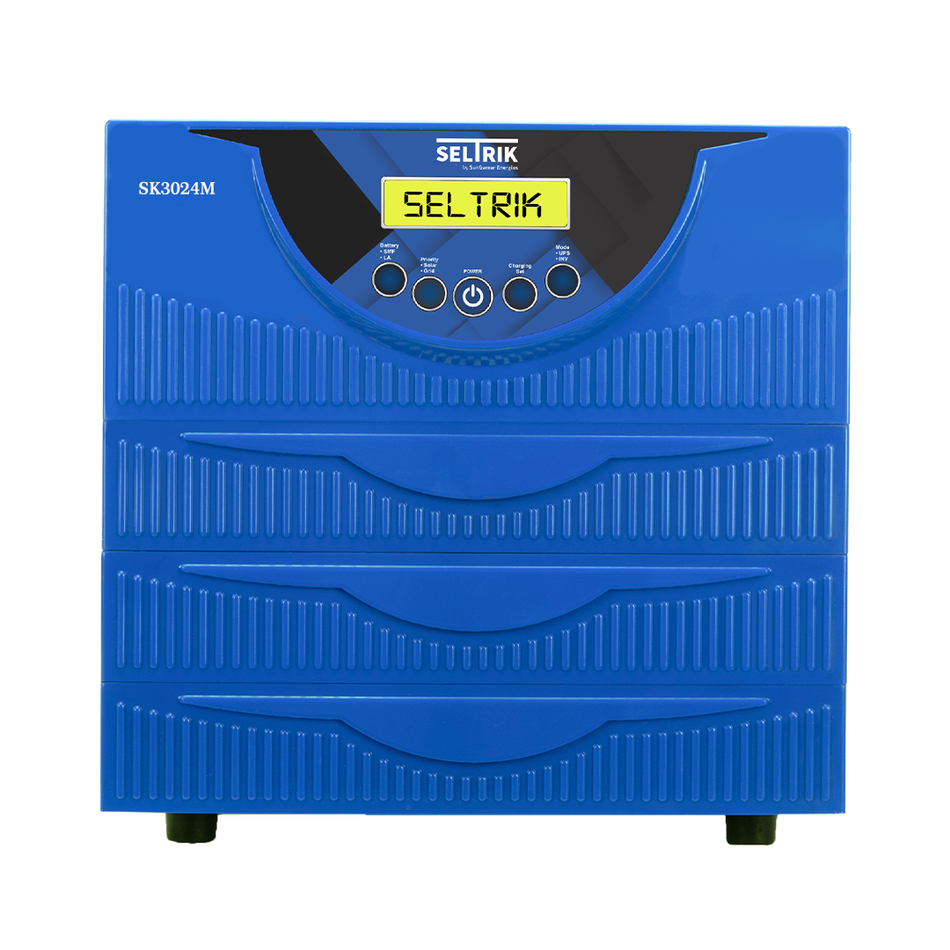
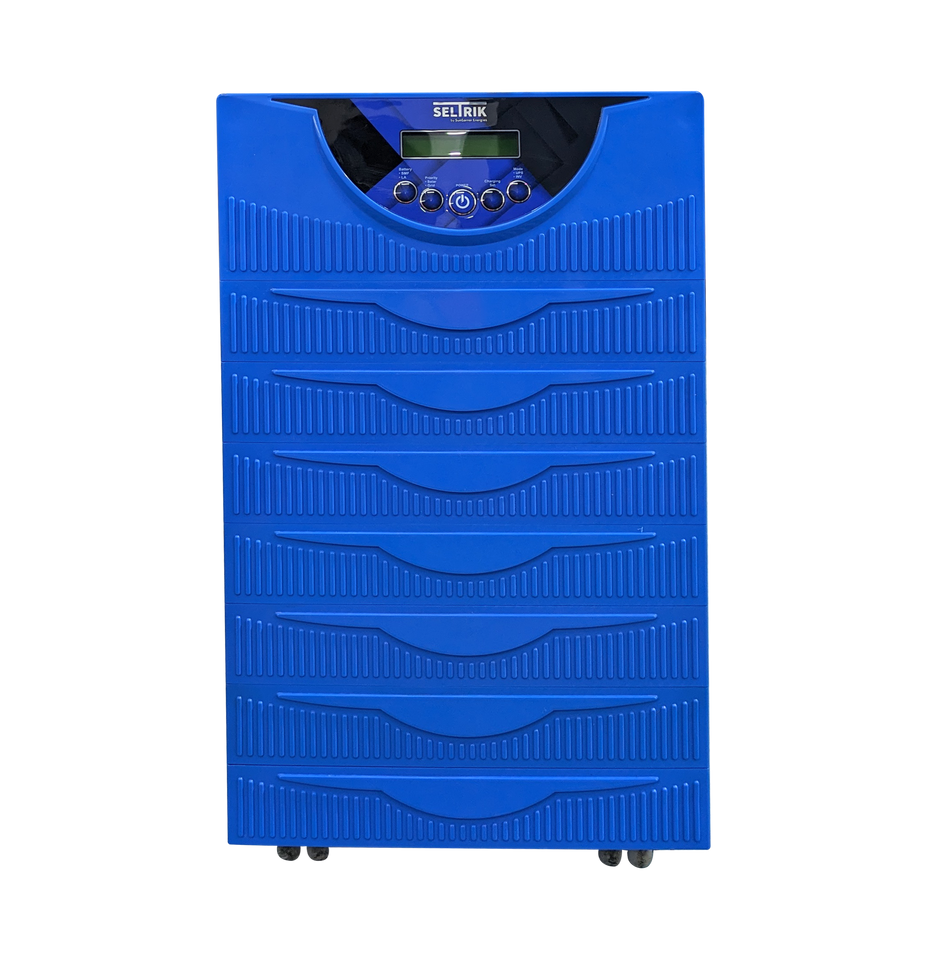
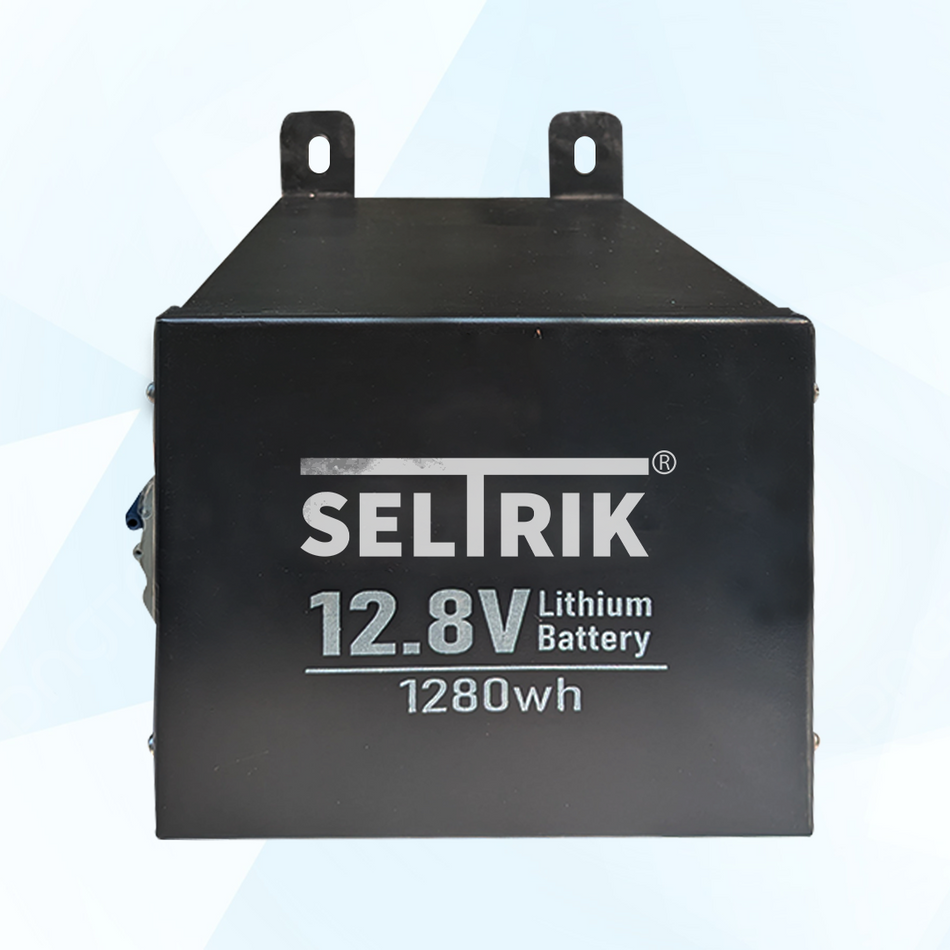
As a Seltrik solar franchise partner, you inherit an established, compliant framework, certified product lines, franchise-rate equipment pricing, structured technical and sales training, and territory-protected marketing support — so you're competing with local dealers from a position of strength, not starting from the same blank page they are.
Frequently Asked Questions
Is a solar franchise more profitable than an independent dealership?
In the short term, franchise partners typically reach profitability faster due to lower time-to-launch and built-in brand trust. Independent dealerships can potentially earn higher margins long-term, but only after surviving the slower, higher-risk setup phase.
Which model has lower investment: franchise or independent dealership?
Independent dealerships avoid a franchise fee, but often spend more on licensing delays, higher equipment costs, and marketing to build trust — narrowing the actual cost gap between the two models.
Does a solar franchise partner have less control over the business?
Yes, to an extent. Franchise partners follow the franchisor's SOPs and branding guidelines, while independent dealers have full operational freedom — this is the core trade-off between speed/support and control.
Is it easier to get licenses as a solar franchise partner?
Generally yes. Franchise partners often operate under or alongside the franchisor's existing MNRE/state empanelment, significantly reducing licensing delays compared to independent registration.
Can I switch from an independent dealership to a franchise model later?
Yes, many solar franchisors accept partners with existing electrical, EPC, or dealership backgrounds, and prior industry experience can accelerate onboarding.
Which model is better for Tier 2 and Tier 3 cities?
Franchise partnerships tend to perform better in smaller cities, where brand recognition and trust are harder to establish independently and subsidy-driven demand rewards credibility.
Do franchise partners have territory protection?
Most reputable franchisors, including Seltrik, offer territorial exclusivity, meaning no second franchise partner is onboarded in your assigned zone.
Ready to Choose the Lower-Risk Path?
Both models can succeed — but for most entrepreneurs entering India's solar market for the first time, the data points clearly toward the solar franchise partner route: faster launch, lower operational risk, and built-in brand trust from day one.
Apply for the Seltrik Solar Franchise Partner Program today and get a side-by-side cost and ROI comparison tailored to your city and investment capacity.
👉 Apply for Seltrik Franchise Partnership — Limited territories available per city.