
Electricity is an essential operating expense for almost every small business. Whether it is a retail shop running lights and air conditioners, a clinic operating medical equipment, or a small office using computers and other electrical appliances, monthly electricity bills can put pressure on operating budgets.
As electricity consumption increases, business owners are looking for practical ways to control their energy expenses without affecting daily operations. Rooftop solar is becoming an attractive option because it allows businesses to generate electricity from sunlight and reduce their dependence on grid power.
However, installing solar is not simply about choosing a few solar panels and placing them on the roof. The right system capacity, electricity consumption pattern, available rooftop space, installation cost and expected savings all play an important role in determining whether solar is a worthwhile investment.
This guide explains how solar for shops, clinics and small offices works, how to calculate the appropriate system size, what factors influence installation costs and how to estimate the return on investment (ROI).
Why Should Small Businesses Consider Solar Energy?
Small businesses often operate during daylight hours, which creates an opportunity to use solar electricity when it is being generated. Shops, clinics and offices typically consume power throughout the day for lighting, cooling, computers, equipment and other operations.
A properly designed rooftop solar system can help reduce the amount of electricity purchased from the utility grid.
Some important benefits include:
1. Lower Monthly Electricity Bills
One of the biggest advantages of commercial rooftop solar is the potential reduction in electricity expenses. Solar panels generate electricity during daylight hours, helping businesses meet a portion of their daily energy requirements.
For businesses with regular daytime consumption, solar generation can directly offset grid electricity usage, subject to the applicable electricity billing and net-metering arrangements.
2. Better Control Over Operating Expenses
Electricity is a recurring expense. Generating a portion of your own electricity can make energy costs more predictable and reduce exposure to future tariff increases.
This can be particularly useful for small businesses operating with limited profit margins.
3. Better Utilisation of Rooftop Space
Many commercial buildings have unused rooftops. Installing solar panels allows businesses to turn this otherwise unused space into an electricity-generating asset without requiring additional land.
4. Reduced Dependence on Grid Electricity
Solar generation can reduce the amount of electricity a business needs to purchase from the grid. However, a standard grid-connected solar system generally shuts down during a grid outage for safety reasons unless an appropriately designed backup solution is installed.
5. Improved Environmental Performance
Solar energy is a renewable source of electricity. Businesses using rooftop solar can reduce their dependence on conventional grid electricity and contribute towards lower operational carbon emissions.
For businesses looking to improve their sustainability practices, solar can be a practical step.
Which Businesses Can Benefit from Rooftop Solar?
Solar is not limited to large factories or industrial facilities. Smaller commercial establishments can also benefit when their electricity consumption, rooftop conditions and financial requirements support the investment.
Solar for Retail Shops
Retail shops commonly use electricity for:
- Interior and exterior lighting
- Air conditioners and ceiling fans
- Refrigerators and display coolers
- Billing machines and computers
- CCTV cameras and security systems
- Signboards and other electrical equipment
A small retail outlet with consistent daytime electricity usage may benefit from a rooftop solar system sized according to its actual consumption.
For example, a grocery store or clothing showroom operating from morning until evening may use a significant portion of its solar generation directly.
Solar for Clinics and Healthcare Centres
Clinics have different electricity requirements depending on their services and equipment.
Common electrical loads include:
- Air conditioners and ventilation systems
- Medical refrigerators
- Diagnostic equipment
- Computers and patient management systems
- Lighting and sterilisation equipment
- Water pumps and other essential appliances
For clinics, electricity reliability is particularly important. Solar can help reduce daytime electricity expenses, but critical medical equipment should have a separately planned backup arrangement.
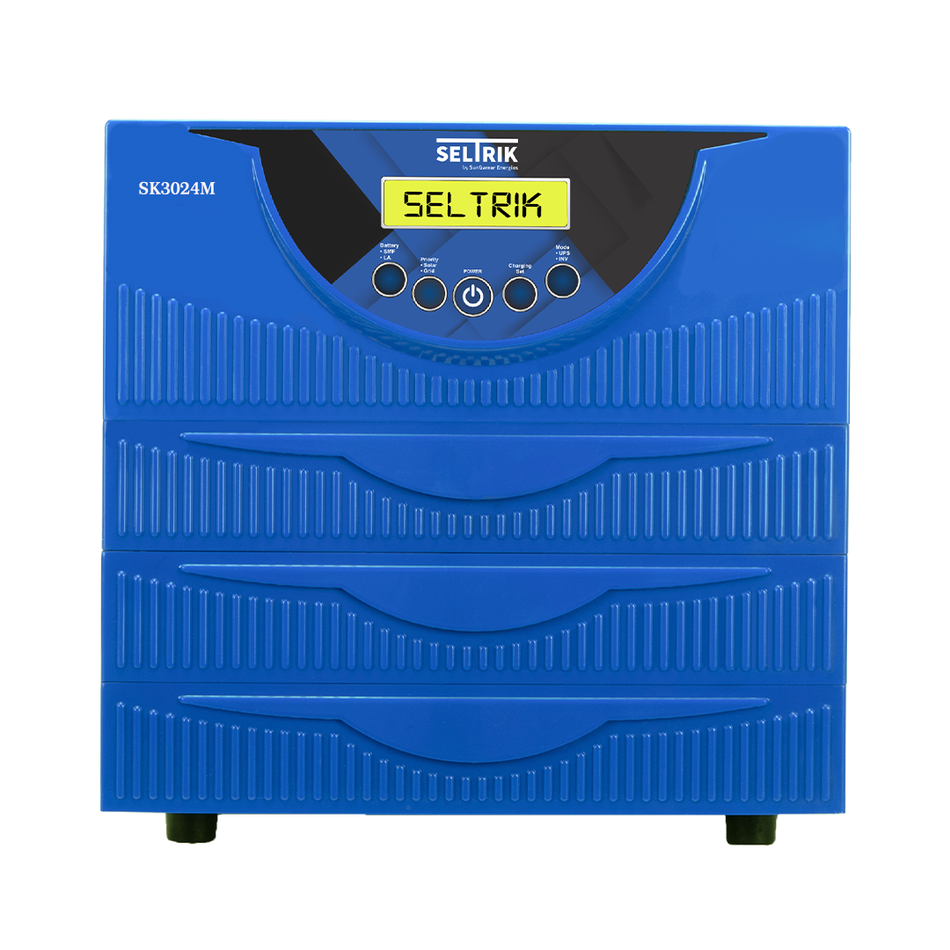
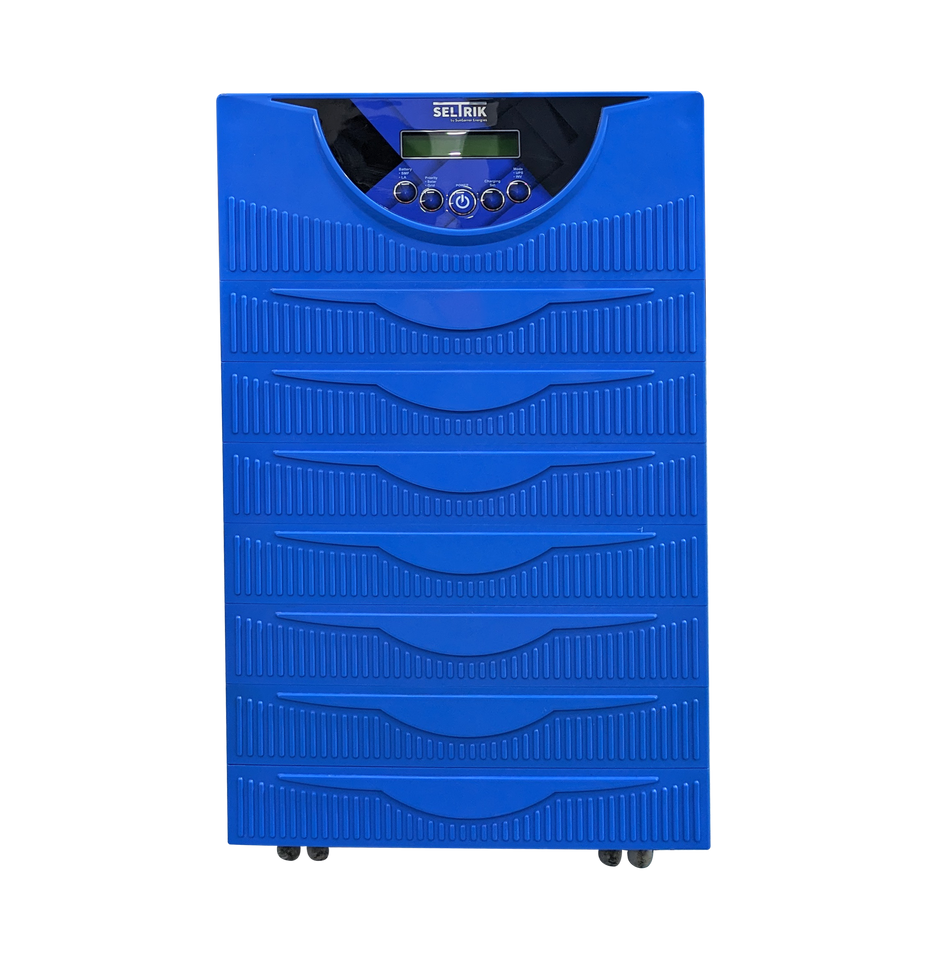
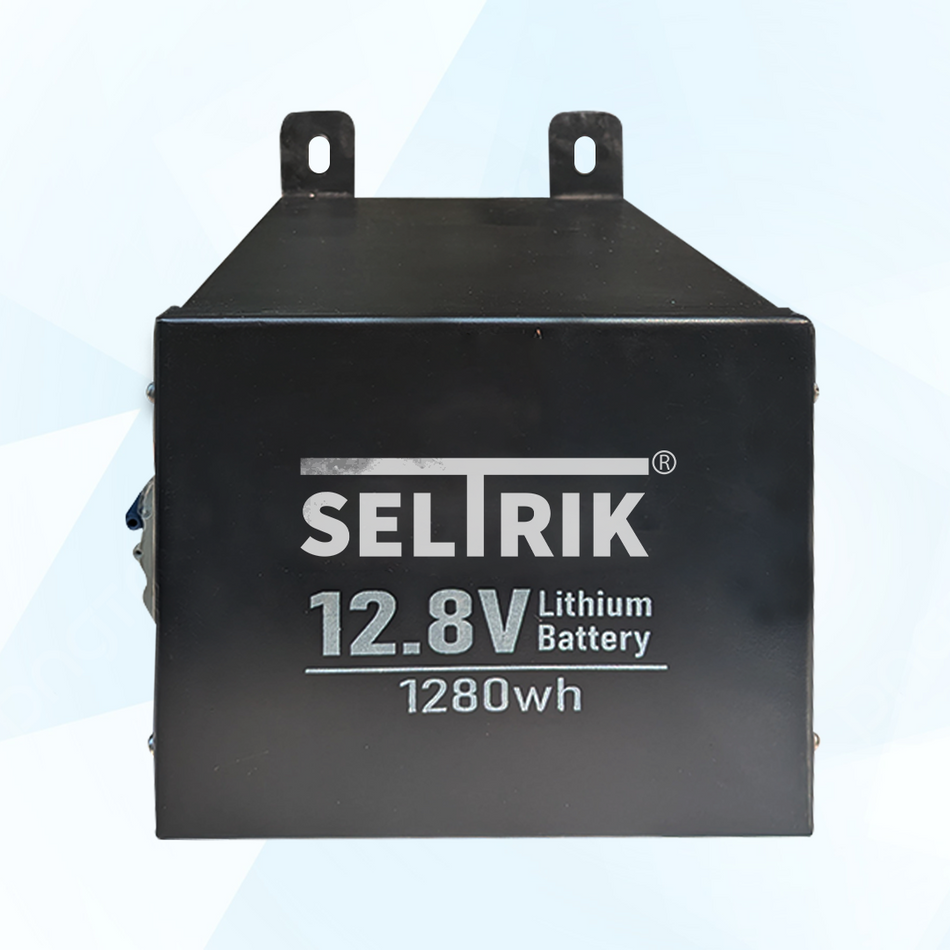
A battery energy storage system (BESS), inverter-based backup or another suitable backup solution may be considered depending on the clinic's operational requirements.
Solar for Small Offices
Small offices generally consume electricity through:
- Desktop computers and laptops
- Printers and scanners
- Air conditioning systems
- Lighting and fans
- Networking equipment and routers
- Meeting room equipment
Offices operating primarily during daytime hours can utilise a considerable portion of the electricity generated by rooftop solar.
This makes commercial rooftop solar worth evaluating for IT offices, consulting firms, accounting offices, agencies and other small businesses.
How to Calculate the Right Solar System Size?
Selecting the correct solar capacity is one of the most important steps in a commercial solar installation.
A system that is too small may not deliver the expected electricity savings. An oversized system may increase the initial investment without providing proportional financial benefits, particularly where export compensation is limited.
The ideal solar capacity should be calculated using electricity consumption, daytime load, available rooftop space and local solar generation conditions.
Step 1: Check Your Monthly Electricity Consumption
Start by reviewing your electricity bills for the previous 6–12 months.
Look for:
- Total monthly electricity consumption in kWh or units
- Average daily electricity consumption
- Electricity tariff
- Fixed charges and demand charges
- Seasonal changes in consumption
For example, if a shop consumes 900 units per month:
Average daily consumption = 900 ÷ 30
Average daily consumption = 30 units.
This gives you a starting point for estimating the solar capacity required.
Step 2: Understand Daytime Electricity Usage
Monthly consumption alone is not enough to determine the correct system size.
You should also identify how much electricity your business consumes during sunlight hours.
For example, an office may consume most of its electricity between 9 AM and 6 PM. A retail shop may have similar operating hours, while a clinic may require electricity throughout the day and evening.
A grid-connected solar system generally provides the greatest direct financial benefit when solar generation coincides with electricity consumption.
Step 3: Estimate Solar Generation
Solar generation depends on several factors, including:
- Geographic location
- Solar panel orientation and tilt
- Rooftop shading
- Weather conditions
- System efficiency
- Inverter performance
- Panel quality and maintenance
For an initial estimate, businesses can use approximately 4–5 units per day per kW of installed solar capacity as an illustrative planning assumption in many Indian locations.
Actual generation must be assessed for the specific site.
A simple formula is:
Required Solar Capacity (kW) = Daily Electricity Consumption (Units) ÷ Estimated Daily Generation per kW
For example:
Daily electricity consumption = 30 units
Estimated daily solar generation = 4.5 units per kW
Required capacity = 30 ÷ 4.5
Required capacity = approximately 6.67 kW.
A system of around 6.5–7 kW could be considered for further evaluation. The final design should account for daytime consumption, roof conditions and applicable grid regulations.
Step 4: Check Available Rooftop Space
The rooftop must have enough suitable, structurally safe and relatively shadow-free space.
The required area depends on the module wattage, panel dimensions, installation layout, access pathways and mounting arrangements.
As an initial planning estimate, approximately 80–100 square feet per kW may be considered for many rooftop layouts. Actual requirements can vary.
Before installation, a technical site survey should assess:
- Roof dimensions and structural strength
- Nearby buildings and trees causing shadows
- Panel direction and mounting angle
- Maintenance access
- Waterproofing and drainage arrangements
Step 5: Choose the Right Solar System
Small businesses generally have three broad options.
On-Grid Solar System
An on-grid solar system is connected to the electricity grid. Solar power is used by the business, and surplus electricity may be exported to the grid under the applicable regulations.
It is generally suitable for shops, offices and clinics with regular grid availability and daytime electricity consumption.
Off-Grid Solar System
An off-grid solar system operates independently of the electricity grid and generally requires battery storage.
It can be considered for locations where grid electricity is unavailable or unreliable, depending on the required backup duration and connected load.
Hybrid Solar System
A hybrid solar system combines solar generation, grid connectivity and battery storage.
It can help businesses use solar electricity while maintaining backup capability for selected loads during grid outages.
For clinics and offices where continuity is important, a hybrid arrangement may be worth evaluating.
Understanding Solar Installation Costs for Small Businesses
The cost of a commercial rooftop solar installation depends on several factors. There is no single price applicable to every shop, clinic or office.
Important cost components include:
- Solar panels and mounting structures
- Solar inverter
- DC and AC cables
- Protection devices and electrical panels
- Installation and commissioning
- Net-metering or grid-connection-related expenses, where applicable
- Battery storage, if required
- Additional civil or structural work
The total cost also depends on system capacity, equipment specifications, roof conditions, installation complexity and location.
Illustrative Solar System Capacity Guide
The following table provides an initial planning reference. It is not a substitute for a professional site assessment.
|
Business Type |
Illustrative Solar Capacity |
|
Small retail shop |
2–3 kW |
|
Medium retail shop |
3–5 kW |
|
Small clinic |
3–5 kW |
|
Larger clinic |
5–10 kW |
|
Small office |
3–5 kW |
|
Medium office |
5–10 kW |
The actual requirement may be higher or lower depending on connected loads and electricity consumption.
Businesses should obtain quotations that clearly explain equipment specifications, warranties, installation scope, expected generation and after-sales support.
Solar ROI: How Much Can a Small Business Save?
Return on investment (ROI) helps business owners understand how long it may take to recover the initial investment through electricity savings.
A simple payback calculation is:
Solar Payback Period = Total Solar Installation Cost ÷ Annual Net Electricity Bill Savings
Annual net savings should account for relevant operating costs, maintenance and changes in electricity billing.
Example: ROI Calculation for a Small Retail Shop
Consider a retail shop with the following illustrative details:
- Monthly electricity consumption: 900 units
- Average electricity tariff: ₹9 per unit
- Monthly electricity expense on energy charges: ₹8,100
- Solar system capacity: 6 kW
- Estimated daily solar generation: 27 units
- Estimated monthly solar generation: 810 units
Assuming the shop consumes all the generated solar electricity during operating hours:
Monthly electricity savings = 810 × ₹9
Monthly electricity savings = ₹7,290
Annual electricity savings = ₹7,290 × 12
Annual electricity savings = ₹87,480
Now assume the total installation cost is ₹3,00,000.
Estimated simple payback period:
₹3,00,000 ÷ ₹87,480 = approximately 3.43 years.
This is an illustrative calculation, not a market quotation or guaranteed return.
Actual savings may be lower because of seasonal generation variations, system losses, fixed electricity charges, maintenance expenses and differences between self-consumption and exported electricity.
What Happens When Solar Generation Exceeds Consumption?
If a business generates more electricity than it consumes during the day, surplus power may be exported to the electricity grid, depending on the applicable net-metering or net-billing arrangement.
However, exported electricity may not be valued at the same rate as electricity purchased from the grid.
Therefore, installing a larger solar system does not automatically mean higher financial savings.
The system should be designed to maximise useful solar consumption and account for local export regulations.
Factors That Influence Solar ROI
Several factors determine how quickly a business can recover its solar investment.
1. Electricity Tariff
Businesses paying higher electricity rates may achieve greater savings from every unit of solar electricity consumed directly.
2. Daytime Electricity Consumption
Businesses operating during sunlight hours can generally use more solar electricity directly, improving the financial value of their systems.
3. Rooftop Conditions
A shadow-free rooftop with suitable orientation and sufficient space can support better solar generation.
4. System Quality
Reliable solar panels, properly selected inverters, quality electrical components and professional installation help maintain system performance.
5. Electricity Regulations
State-specific net-metering, net-billing, export limits and commercial connection rules can influence the financial returns.
Business owners should verify the applicable rules with their local electricity distribution company (DISCOM).
6. Maintenance and System Monitoring
Regular cleaning, electrical inspections and performance monitoring help identify generation issues and maintain system efficiency.
Important Considerations Before Installing Solar at a Commercial Property
Before investing in solar, business owners should evaluate more than just the installation price.
Check building ownership or roof permissions: If the shop or office is rented, obtain the property owner's approval before installation.
Assess roof strength: The building must safely support the solar panels and mounting structures.
Review electricity connection details: Confirm sanctioned load, connection category, applicable solar capacity limits and DISCOM approval requirements.
Plan for backup separately: Standard on-grid solar does not automatically provide electricity during grid failures. Clinics and businesses with critical equipment should assess backup requirements.
Understand warranties: Review the warranties for solar modules, inverters, batteries and installation workmanship separately.
Compare quotations: Evaluate equipment quality, generation estimates, installation scope and service support rather than selecting a vendor solely on price.
Is Solar Worth It for Shops, Clinics and Small Offices?
Solar can be a worthwhile investment for small commercial establishments, particularly when they have:
- Consistent daytime electricity consumption
- High monthly electricity bills
- Sufficient rooftop space
- Suitable roof conditions
- A long-term operating plan
- A favourable electricity tariff and grid-export arrangement
For example, a retail shop operating from morning until evening may directly consume much of its solar generation. A small office with regular working hours can also benefit from reduced grid electricity consumption.
Clinics can use solar to lower their electricity expenses while evaluating suitable backup arrangements for essential equipment.
The key is to select a system based on actual energy requirements rather than choosing capacity based only on available rooftop space.
Conclusion: Make Your Business More Energy Efficient with Solar
Electricity expenses are a recurring challenge for shops, clinics and small offices. Rooftop solar offers an opportunity to reduce these expenses, improve energy efficiency and make better use of available roof space.
However, the success of a solar investment depends on selecting the right system capacity, understanding daytime electricity consumption, evaluating installation costs and calculating realistic savings.
Whether you operate a retail shop, manage a clinic or run a small office, start by reviewing your electricity bills and assessing your rooftop conditions. A properly designed solar system can become a valuable long-term investment for your business.
Frequently Asked Questions (FAQs)
Is solar suitable for small shops in India?
Yes. Small shops can benefit from rooftop solar if they have suitable rooftop space, sufficient electricity consumption and favourable installation economics. A properly sized system can help reduce electricity expenses.
How many solar panels are required for a small shop?
The number of panels depends on the required system capacity and the wattage of each panel. For example, a 3 kW system using 550-watt panels would require approximately 6 panels, subject to the final design.
What size solar system is required for a small clinic?
A small clinic may require approximately 3–5 kW as an initial planning range. However, the actual capacity depends on air conditioning, medical equipment, refrigeration, operating hours and daily electricity consumption.
Can a small office run completely on solar energy?
It depends on electricity consumption, system capacity, operating hours and the availability of grid or battery backup. A grid-connected system can offset a significant portion of daytime consumption, but complete energy independence requires additional planning.
Does on-grid solar work during a power cut?
Generally, no. Standard grid-connected inverters shut down during a grid outage to prevent electricity from being supplied to the grid during maintenance. A properly designed hybrid or backup system is required to support selected loads during outages.
How much rooftop space is required for a 5 kW solar system?
As an initial estimate, approximately 400–500 square feet may be considered, depending on panel dimensions, layout, shading, mounting and access requirements.
How long does it take to recover the investment in commercial solar?
The payback period depends on installation cost, electricity tariff, solar generation, self-consumption and maintenance. A simple payback estimate can be calculated by dividing the initial investment by annual net savings.
Can rented shops or offices install rooftop solar?
Yes, subject to permission from the property owner and applicable building, electricity and DISCOM requirements. Businesses should also agree on equipment ownership and arrangements if they relocate.
Are government subsidies available for commercial rooftop solar?
Subsidy eligibility depends on the applicable government scheme and consumer category. Residential rooftop solar incentives should not automatically be assumed to apply to commercial connections. Businesses should verify current eligibility with MNRE, the relevant state agency and DISCOM.
Is battery storage necessary for a commercial solar system?
No. Battery storage is not essential for every commercial solar installation. On-grid systems can operate without batteries. However, businesses requiring backup during power cuts may consider a suitable hybrid system with battery storage.