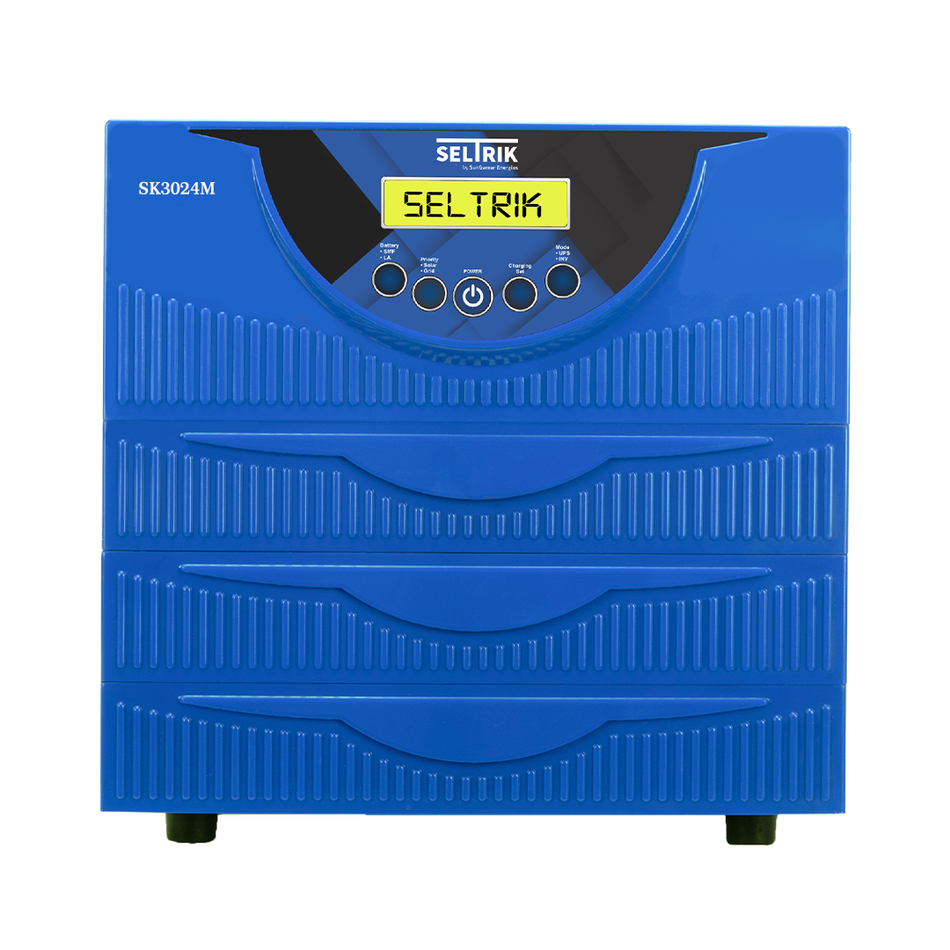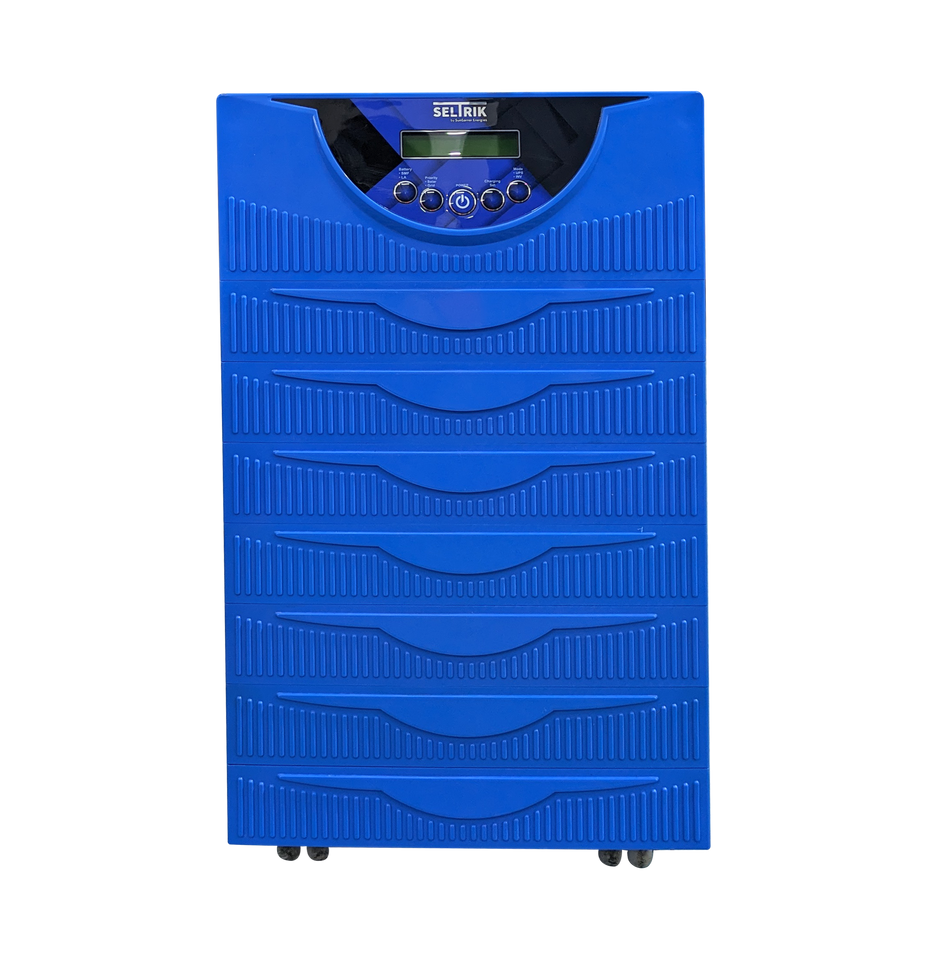

A pure sine wave inverter is the most advanced and reliable type of inverter available today. Whether you are planning a home backup system, a solar power plant, or an industrial power solution, understanding how a pure sine wave inverter works can help you make the right buying decision.
This guide explains what a pure sine wave inverter is, how it works, its advantages, applications, pricing in India, and whether it’s worth the investment.
What Is a Pure Sine Wave Inverter?
Definition of a Pure Sine Wave Inverter
A pure sine wave inverter converts DC power from batteries or solar panels into AC power that closely matches the electricity supplied by the grid. The output waveform is smooth, stable, and safe for all types of electrical appliances.
This makes it the best pure sine wave inverter choice for sensitive electronics and high-value equipment.
How a Pure Sine Wave Inverter Works
A pure sine wave inverter uses advanced microprocessors and high-frequency switching technology to generate a clean AC waveform. The inverter:
- Takes DC input from batteries or solar panels
- Uses power electronics and filters
- Delivers stable, grid-like AC output
This ensures appliances run efficiently without overheating or noise.
Pure Sine Wave Inverter vs Modified Sine Wave Inverter
Waveform Difference Explained
|
Feature |
Pure Sine Wave |
Modified Sine Wave |
|
Output waveform |
Smooth & continuous |
Stepped / square |
|
Similar to grid power |
Yes |
No |
|
Appliance compatibility |
100% |
Limited |
Performance, Efficiency, and Noise Comparison
Pure sine wave inverters:
- Run appliances more efficiently
- Reduce humming noise in fans and motors
- Prevent heating in electronics
Modified sine wave inverters may cause:
- Noise in speakers and fans
- Reduced efficiency
- Long-term appliance damage
Which Inverter Is Better for Home and Industrial Use?
- Homes: Pure sine wave inverter
- Solar systems: Solar pure sine wave inverter
- Industries & hospitals: Only pure sine wave
Key Advantages of Pure Sine Wave Inverters
Safe for Sensitive Electronics (TV, Laptop, Medical Devices)
Pure sine wave output protects:
- Smart TVs
- Laptops & computers
- Medical equipment
- LED lighting and routers
Higher Efficiency and Lower Power Loss
Because the waveform is clean, appliances consume less power and perform at optimal efficiency.
Longer Lifespan of Appliances
Motors, compressors, and electronic circuits last longer due to reduced heat and electrical stress.
Silent Operation and Stable Output
Fans, refrigerators, and ACs operate silently without humming or vibration.
Disadvantages of Pure Sine Wave Inverters
Higher Initial Cost
The pure sine wave inverter price is higher than modified sine wave models due to advanced electronics.
Installation and Maintenance Considerations
- Proper wiring is essential
- Professional installation recommended for high capacity systems
Applications of Pure Sine Wave Inverters
Home Appliances and Residential Backup
Ideal for:
- ACs
- Refrigerators
- Washing machines
- Smart home devices
Solar Power Systems
A solar pure sine wave inverter ensures maximum efficiency and compatibility with solar panels and MPPT controllers.
Industrial and Commercial Use
Used in:
- Factories
- Offices
- Data centers
- Telecom towers
Medical Equipment and Critical Loads
Essential for:
- Hospitals
- Clinics
- Diagnostic equipment
How to Choose the Right Pure Sine Wave Inverter
Inverter Capacity Calculation (Watts & VA)
Example load calculation:
|
Appliance |
Power (W) |
|
Refrigerator |
300 |
|
TV |
150 |
|
Fans (3) |
240 |
|
Lights |
100 |
|
Total Load |
790 W |
Recommended inverter: 1.5 kVA pure sine wave inverter
Battery Type Compatibility (Tubular, Lithium, SMF)
Ensure compatibility with:
- Tubular batteries (popular for homes)
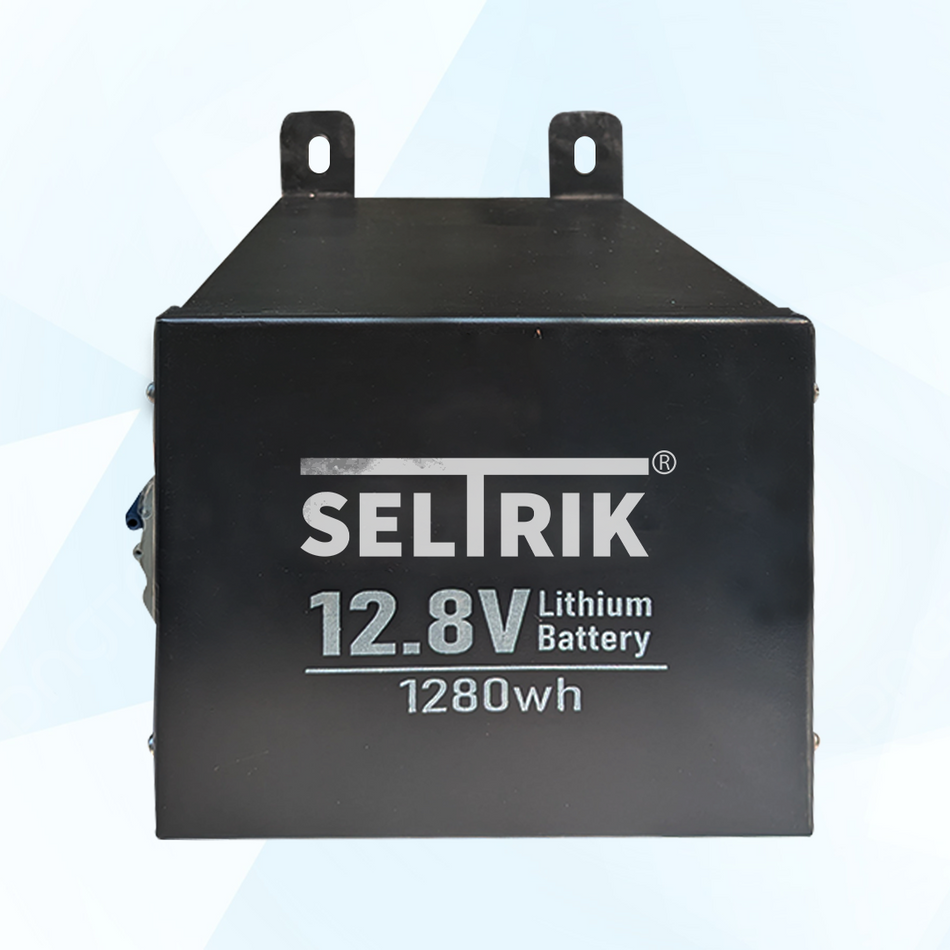
- Lithium batteries (high efficiency, long life)
- SMF batteries (low maintenance)
Load Type and Surge Power Requirement
Motor-based appliances require higher surge capacity. Always choose an inverter with at least 2× surge handling capability.
Grid-Tied vs Off-Grid vs Hybrid Inverters
- Off-grid: Battery-based backup
- Grid-tied: No battery, net metering
- Hybrid: Grid + solar + battery (most flexible)
Pure Sine Wave Inverter for Solar Systems
Why Pure Sine Wave Is Essential for Solar
Solar systems require clean power to protect:
- Solar inverters
- Charge controllers
- Connected appliances
Solar Inverter vs Normal Inverter
|
Feature |
Solar Inverter |
Normal Inverter |
|
MPPT support |
Yes |
No |
|
Solar charging |
Yes |
No |
|
Efficiency |
High |
Moderate |
Efficiency and MPPT Controller Role
MPPT (Maximum Power Point Tracking) increases solar output efficiency by 15–30%, making it essential for solar installations.
Pure Sine Wave Inverter Price in India
Price Range by Capacity
|
Capacity |
Approx Price Range |
|
1 kVA |
₹6,000 – ₹15,000 |
|
2 kVA |
₹15,000 – ₹30,000 |
|
5 kVA |
₹45,000 – ₹80,000 |
|
10 kVA+ |
₹1,00,000+ |
(Prices vary by brand, technology, and features)
Factors Affecting Pure Sine Wave Inverter Cost
- Capacity and surge rating
- Solar compatibility
- Battery type support
- Warranty and build quality
Is a Pure Sine Wave Inverter Worth the Price?
Yes. Higher upfront cost is offset by:
- Lower electricity loss
- Reduced appliance damage
- Longer system lifespan
Installation and Maintenance Tips
Proper Wiring and Safety Guidelines
- Use correct cable size
- Install proper earthing
- Avoid loose connections
Ventilation and Cooling Requirements
Install in a well-ventilated area to prevent overheating.
Battery Maintenance Best Practices
- Regular water top-up (for tubular batteries)
- Avoid deep discharge
- Keep terminals clean
Common Myths About Pure Sine Wave Inverters
“All Inverters Are the Same” – Myth vs Reality
False. Waveform quality directly affects appliance safety and efficiency.
“Pure Sine Wave Is Only for Solar” – Explained
Pure sine wave inverters are ideal for homes, UPS, offices, and industries, not just solar.
Conclusion – Should You Buy a Pure Sine Wave Inverter?
Best Use Cases
- Homes with ACs and electronics
- Solar power systems
- Hospitals and offices
- Industrial equipment
Final Recommendation
If you want safe, efficient, and future-ready power backup, a pure sine wave inverter is the best long-term investment. Despite the higher initial cost, it delivers superior performance, appliance safety, and peace of mind.
Frequently Asked Questions (FAQs)
Q: Can I Run AC, Refrigerator, and Washing Machine?
Yes, with correct inverter capacity and battery bank sizing.
Q: Does a Pure Sine Wave Inverter Save Electricity?
It reduces power loss and improves appliance efficiency, indirectly saving electricity.
Q: How Long Does a Pure Sine Wave Inverter Last?
Typically 8–15 years, depending on usage and maintenance.
Q: Is Pure Sine Wave Inverter Good for UPS?
Yes, it is the best choice for UPS systems due to stable output.