
Before committing capital to any business, the first question worth answering isn't "which model should I choose" — it's "does the underlying market actually support profitability." For anyone evaluating a solar franchise partner opportunity in India, the answer depends on three things: how fast the market is genuinely growing, what realistic margins look like on the ground, and how long it takes to see a return.
This article breaks down the data behind India's solar demand curve, real-world profitability benchmarks for franchise partners, and the risk factors that determine whether a given city or partner performs well — or struggles.
India's Solar Market: The Demand Picture
India has set a target of 500 GW of non-fossil fuel electricity capacity by 2030, and solar remains the single largest contributor to that goal. A few structural forces are driving demand that directly benefits local solar businesses:
- Residential rooftop growth: The PM Surya Ghar Yojana has significantly expanded subsidy support for household rooftop solar, pushing adoption into cities and towns that had almost no solar penetration a few years ago
- Commercial and industrial (C&I) adoption: Rising grid tariffs and corporate sustainability commitments are pushing businesses to install solar for both cost savings and ESG reporting
- State-level incentive programs: Several states offer additional subsidies, accelerated depreciation benefits, and net metering support that stack on top of central schemes
- Falling equipment costs: Panel and inverter prices have dropped substantially over the past five years, improving unit economics for every installer in the market
- Underserved geography: Tier 2 and Tier 3 cities remain significantly under-penetrated relative to demand, meaning less competition for new entrants compared to saturated metro markets
This combination — expanding subsidies, falling costs, and thin competition outside major cities — is exactly the environment where local business profitability tends to outpace national averages, because early movers in underserved territories capture disproportionate market share before competition catches up.
Is a Solar Franchise Actually Profitable? The Direct Answer
Yes — but with a caveat that matters more than the headline. Profitability in a solar franchise model depends heavily on installation volume, project mix (residential vs. commercial), and how quickly a partner becomes operational after signing. Franchise partners who launch fast, in the right territory, with consistent lead flow, tend to see materially better returns than those who treat it as a passive investment.
Here's what the data generally looks like across the industry:
|
Metric |
Typical Range |
|
Residential project margin |
15-25% per installation |
|
Commercial/industrial project margin |
10-18% (lower %, higher absolute profit) |
|
Average residential installations/month (established partner) |
8-15 |
|
Break-even timeline |
12-24 months |
|
Annual Maintenance Contract (AMC) revenue |
Recurring, typically 5-10% of installation value/year |
|
Franchise fee payback period |
Typically within Year 1-2 of operations |
The key profitability driver isn't margin percentage — it's volume consistency. A franchise partner completing 10 residential installations a month at 20% margin will consistently outperform one completing 3 installations a month at 25% margin. This is precisely where franchise support (lead sharing, brand trust, co-branded marketing) becomes a profitability lever, not just a convenience.
What Drives Profitability Up or Down
Factors That Improve Profitability
- Territory selection: Underserved Tier 2/3 cities with strong subsidy uptake and low existing competition
- Lead flow consistency: Franchisors offering shared or co-branded leads reduce customer acquisition cost significantly
- Commercial project mix: Even a small number of C&I projects can substantially boost absolute profit due to larger system sizes
- AMC attachment rate: Partners who convert installation customers into maintenance contracts build a recurring revenue base that compounds over time
- Technical execution quality: Fewer warranty disputes and service callbacks protect both margin and brand reputation
Factors That Reduce Profitability
- Slow ramp-up: Partners who take months to become fully operational lose early-mover advantage in their territory
- Over-reliance on residential-only projects: Thin per-project margins without commercial diversification
- Inconsistent lead generation: Franchise partners who don't invest in local marketing alongside franchisor support tend to underperform
- Poor territory fit: Entering an oversaturated metro market with an established competitor already dominant
- Weak after-sales service: Leads to warranty disputes, refunds, and reputational damage that suppresses referral-driven growth
Industry Growth Outlook: What the Next Few Years Look Like
Several forward-looking trends suggest the demand environment for solar businesses in India will continue strengthening through the rest of this decade:
- Continued subsidy expansion: Government rooftop solar targets remain aggressive, with policy support expected to continue driving residential adoption
- Grid tariff pressure: As commercial electricity costs rise, the payback period for C&I solar investment keeps shrinking, accelerating business adoption
- Battery storage integration: Emerging hybrid solar-plus-storage demand is opening a new service and revenue category for installers already established in a territory
- State-level competition for green investment: Several states are actively incentivizing renewable energy businesses through faster approvals and additional subsidies
- Financing ecosystem maturity: Growing availability of consumer solar loans and EMI options is lowering the upfront cost barrier for end customers, indirectly expanding the addressable market for installers
For a prospective solar franchise partner, this outlook matters because profitability isn't just about today's margins — it's about whether the market you're entering is expanding or plateauing. On current trajectory, most independent market analyses point toward sustained double-digit growth in solar installations through 2030, which supports a favorable long-term profitability picture for partners who establish themselves early.
Franchise Model vs. Market Risk: Separating the Two
It's worth distinguishing between two separate risk categories that often get conflated:
Market risk — whether solar demand itself continues growing. Based on current policy direction, cost trends, and adoption data, this risk is comparatively low; the structural tailwinds are strong and multi-year in nature.
Execution risk — whether a specific partner, in a specific territory, executes well enough to capture that demand. This is where outcomes vary significantly, and where the franchise model's training, lead support, and brand trust materially reduce risk compared to building demand generation from scratch.
In other words: the market opportunity is largely proven. The variable that actually determines whether a given solar franchise is profitable is execution — and that's precisely the layer a strong franchisor is designed to support.
How Seltrik Supports Franchise Partner Profitability
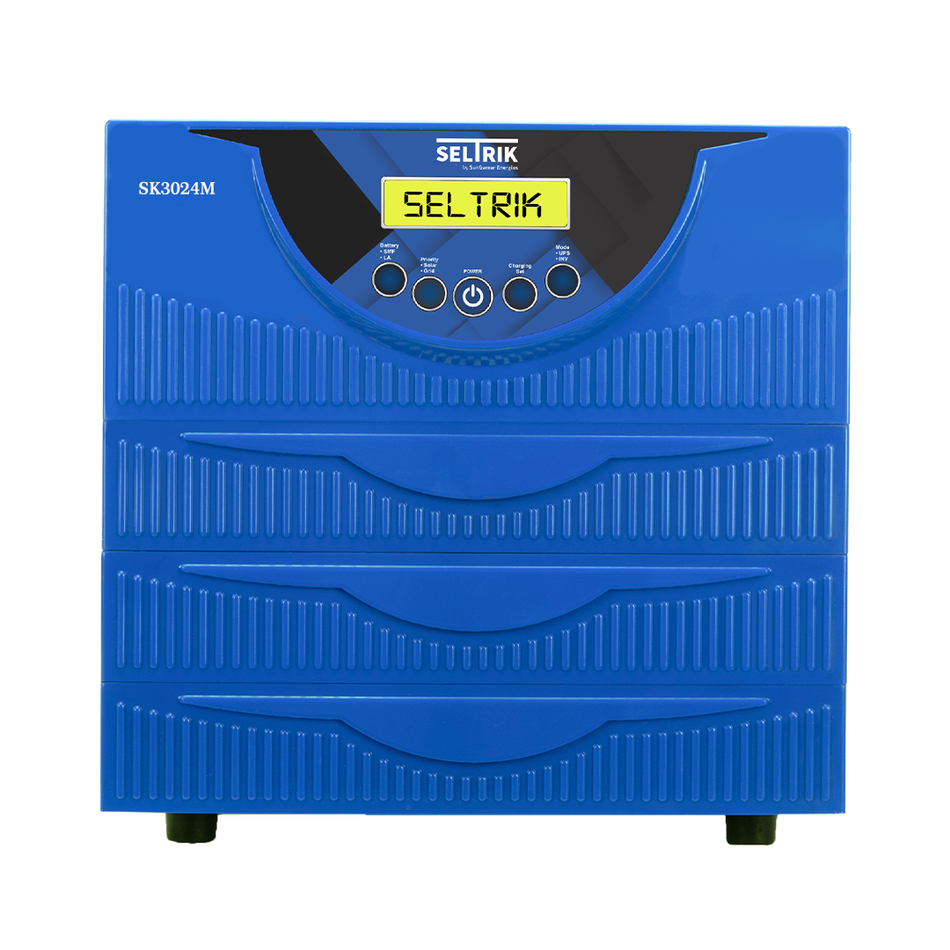
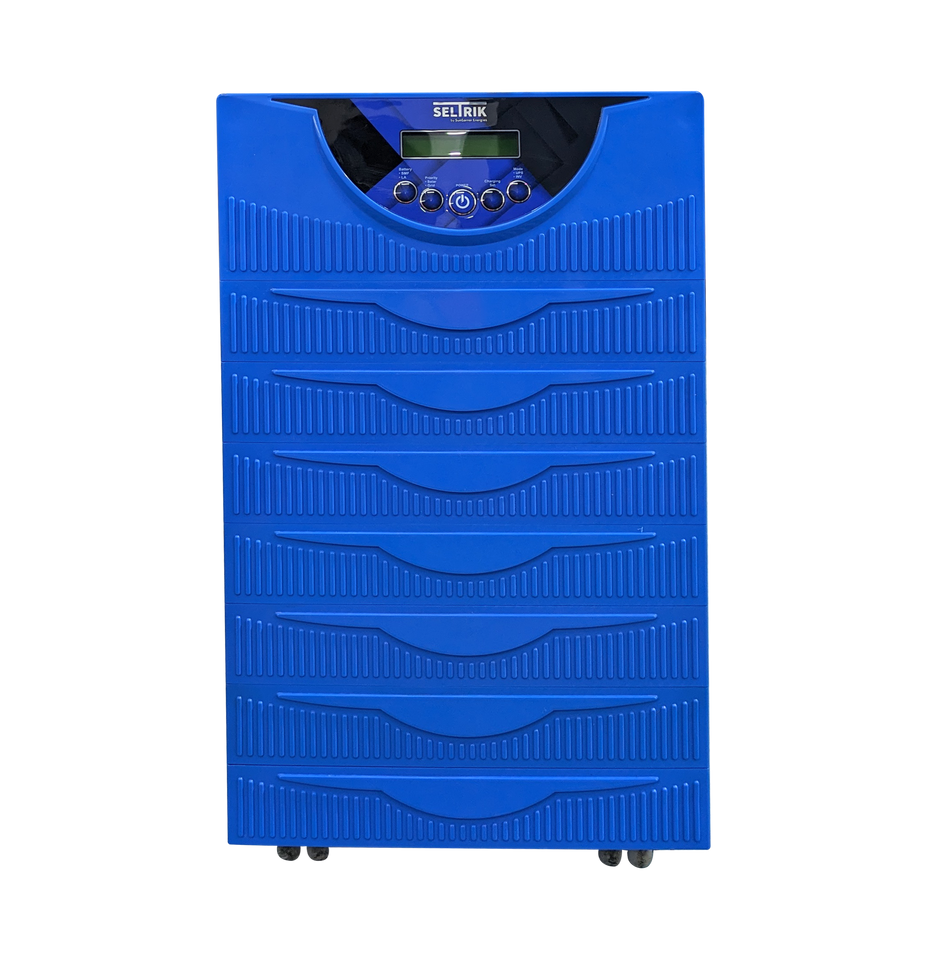
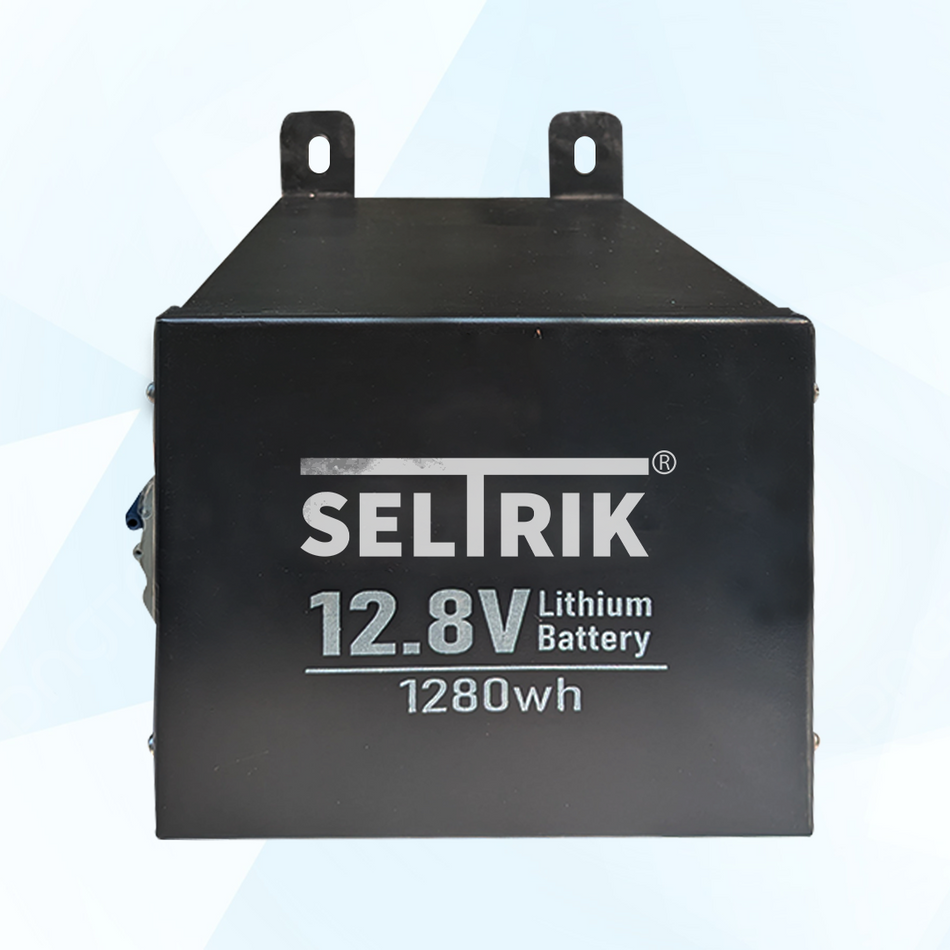
Seltrik's franchise program is structured around the profitability drivers outlined above — not just brand licensing. Partners get access to franchise-rate equipment pricing (protecting margin from day one), structured lead support to reduce ramp-up time, technical training to minimize costly installation errors, and AMC program support to build recurring revenue rather than relying solely on one-off installations.
The goal isn't just to help you launch — it's to help you hit consistent monthly installation volume faster, since that's the single biggest determinant of how quickly a franchise partner becomes profitable.
Frequently Asked Questions
Is a solar franchise profitable in India?
Generally yes, with margins of 15-25% on residential projects and strong recurring revenue potential through AMC contracts. Profitability depends heavily on installation volume and territory selection rather than margin percentage alone.
How long does it take for a solar franchise to become profitable?
Most franchise partners report break-even within 12-24 months, assuming consistent lead flow and 8-15 monthly residential installations once fully operational.
What is the average profit margin on solar installations in India?
Residential installations typically yield 15-25% margins, while commercial/industrial projects offer lower percentage margins (10-18%) but significantly higher absolute profit per project due to system size.
Is the Indian solar market still growing, or is it saturated?
The market continues to grow, driven by expanded rooftop subsidy schemes, rising commercial adoption, and falling equipment costs. Tier 2 and Tier 3 cities in particular remain significantly underserved relative to demand.
What factors most affect a solar franchise partner's profitability?
Installation volume consistency, territory selection, lead flow support, commercial project mix, and AMC (maintenance contract) attachment rate are the biggest profitability drivers — more so than margin percentage alone.
Are commercial solar projects more profitable than residential ones?
Commercial projects typically have lower percentage margins but much higher absolute profit per project due to larger system sizes, making a mixed project portfolio ideal for maximizing overall profitability.
Does territory selection affect how profitable a solar franchise is?
Significantly. Underserved Tier 2/3 cities with strong subsidy uptake and limited competition tend to offer faster ramp-up and better long-term profitability than saturated metro markets.
Ready to Capture This Growth Cycle?
The data is clear: India's solar demand is structural, not seasonal, and the businesses positioned to capture it now — with brand trust, training, and pricing advantages already in place — will be the ones scaling fastest over the next five years.
Apply for the Seltrik Solar Franchise Partner Program today and get a market demand analysis and profitability projection specific to your target city.
👉 Apply for Seltrik Franchise Partnership — Limited territories available per city.