
India's solar sector is growing faster than almost any other clean-energy market in the world, driven by rooftop subsidy schemes, corporate sustainability mandates, and falling equipment costs. Naturally, more entrepreneurs are asking the same question: how to start a solar business in India — and what it actually takes in terms of licenses, capital, and setup.
The honest answer is that building a solar company from scratch involves more moving parts than most first-time entrepreneurs expect: business registration, GST, MNRE/state nodal agency approvals, vendor sourcing, technical staffing, and brand-building — all before your first sale. This guide breaks down every requirement in detail, and shows where a solar franchise partner model can shortcut most of that complexity.
Why Now Is the Right Time to Enter the Solar Business
A few market signals are worth understanding before you commit capital:
- The PM Surya Ghar Yojana has significantly expanded residential rooftop solar subsidies, driving demand into Tier 2 and Tier 3 cities
- Commercial and industrial electricity users are adopting solar to hedge against rising grid tariffs
- Equipment prices (panels, inverters) have fallen substantially over the last five years, lowering the entry barrier
- Trained, credible local installers remain in short supply outside metro areas
This combination — rising demand, falling equipment costs, and thin local competition — is exactly why entrepreneurs are researching how to enter this market now rather than waiting.
Two Paths to Starting a Solar Business in India
Before diving into licenses and costs, it's worth understanding that there are two fundamentally different routes:
Path 1: Building an Independent Solar Company
You register your own entity, apply for every license individually, source equipment directly from manufacturers, build your brand from zero, and train your own technical team. This gives full ownership and control, but it's capital-intensive and slow — often 6-12 months before you're truly operational.
Path 2: Becoming a Solar Franchise Partner
You still register a business entity (this step is unavoidable either way), but you operate under an established brand's license framework, technical certification, supply chain, and marketing support. Most of the licensing complexity, vendor negotiation, and training burden is handled or accelerated by the franchisor.
Both paths require the legal groundwork covered below — the difference is who handles the heavy lifting after that.
Licenses and Registrations Required to Start a Solar Business
Regardless of which path you choose, these are the core legal and regulatory requirements for operating a solar business in India:
1. Business Entity Registration
Register as a Sole Proprietorship, Partnership, LLP, or Private Limited Company depending on your scale. Most serious solar businesses opt for LLP or Pvt Ltd for liability protection and easier vendor/bank relationships.
2. GST Registration
Mandatory for selling solar equipment and services above the threshold turnover. Solar panels and related equipment fall under specific GST slabs, so proper registration ensures correct invoicing and input tax credit claims.
3. MNRE / State Nodal Agency Empanelment
To participate in government subsidy schemes (like rooftop solar subsidy disbursement), your business often needs empanelment with the state renewable energy agency or alignment with MNRE-approved vendor lists. This is one of the more time-consuming approvals for independent businesses.
4. Electrical Contractor License
Since solar installation involves electrical work, a valid electrical contractor license (state-issued) is typically required, especially for grid-connected systems.
5. Net Metering / DISCOM Approvals (Project-Level)
Each residential or commercial installation connected to the grid requires net metering approval from the local electricity distribution company — a per-project, not per-business, requirement, but one your team must be trained to navigate.
6. Trade License (Local Municipal Body)
Required for operating a physical office, showroom, or warehouse in most municipalities.
7. MSME/Udyam Registration (Recommended)
Not mandatory, but highly recommended — it unlocks access to government schemes, easier loan approvals, and certain tender eligibility.
This is precisely where the licensing burden becomes heaviest for independent entrepreneurs — MNRE empanelment and DISCOM coordination alone can take months. A solar franchise partner typically operates under the parent brand's existing empanelment and compliance framework, cutting this timeline dramatically.
Investment and Setup Costs Breakdown
Here's a realistic cost structure for starting a solar business in India, whether independently or as a franchise partner:
|
Cost Component |
Independent Setup (INR) |
Franchise Partner (INR) |
|
Business registration & legal |
₹50,000 – ₹1.5 lakh |
₹20,000 – ₹50,000 |
|
Licensing & empanelment |
₹1 lakh – ₹3 lakh (+ time cost) |
Included/expedited via franchisor |
|
Franchise/license fee |
N/A |
₹2 lakh – ₹10 lakh |
|
Office/showroom setup |
₹1 lakh – ₹5 lakh |
₹1 lakh – ₹5 lakh |
|
Initial inventory |
₹5 lakh – ₹20 lakh (direct sourcing) |
₹3 lakh – ₹15 lakh (franchisor pricing) |
|
Tools & installation equipment |
₹1 lakh – ₹3 lakh |
₹1 lakh – ₹3 lakh |
|
Marketing & branding |
₹1 lakh – ₹4 lakh (build from scratch) |
₹50,000 – ₹2 lakh (co-branded support) |
|
Working capital (3-6 months) |
₹5 lakh – ₹10 lakh |
₹3 lakh – ₹8 lakh |
|
Estimated Total |
₹14 lakh – ₹46 lakh |
₹10 lakh – ₹40 lakh |
|
Estimated time to operational |
6-12 months |
1-3 months |
The franchise route isn't always cheaper on paper once the franchise fee is factored in — but it's almost always faster and lower-risk, since licensing delays, vendor negotiation, and brand-building are the biggest hidden costs of going independent.
Step-by-Step: Starting a Solar Business the Independent Way
- Register your business entity (LLP or Pvt Ltd recommended)
- Apply for GST and Udyam registration
- Pursue MNRE/state nodal agency empanelment — required for subsidy-linked projects
- Obtain electrical contractor licensing
- Source equipment vendors and negotiate wholesale/dealer pricing
- Hire and train technical staff for installation and site surveys
- Build a local marketing and lead generation engine from zero
- Establish DISCOM relationships for net metering approvals on each project
This path offers full independence but demands significant time, capital, and operational patience before revenue stabilizes.
Step-by-Step: Starting a Solar Business as a Franchise Partner
- Shortlist and evaluate franchisors based on product quality, training, and territory availability
- Submit a partner application with your city and investment capacity
- Confirm territory exclusivity with the franchisor
- Sign the franchise agreement covering fees, royalty, and support terms
- Complete technical and sales certification training provided by the franchisor
- Set up your branded office/showroom with franchisor-approved materials
- Launch with franchisor-supported leads and begin installations under an established, trusted brand
Because the franchisor has already secured empanelment, vendor relationships, and brand recognition, a solar franchise partner can often go from application to first installation in a fraction of the time an independent business would need.
Independent Business vs. Solar Franchise Partner: Which Should You Choose?
|
Factor |
Independent Business |
Solar Franchise Partner |
|
Time to launch |
6-12 months |
1-3 months |
|
Licensing complexity |
High — self-managed |
Low — franchisor-supported |
|
Brand trust from day one |
None — must build |
Established brand recognition |
|
Training required |
Self-sourced |
Structured, provided |
|
Vendor pricing |
Negotiated individually |
Franchise/bulk pricing |
|
Marketing support |
Self-funded |
Often co-branded/shared |
|
Control & ownership |
Full |
Partial (per agreement terms) |
|
Risk level |
Higher |
Lower |
For most first-time entrepreneurs, the licensing and empanelment burden alone makes the solar franchise partner model the more practical entry point — you're building a business on top of infrastructure that already works, rather than assembling it piece by piece.
Why Partner with Seltrik to Start Your Solar Business
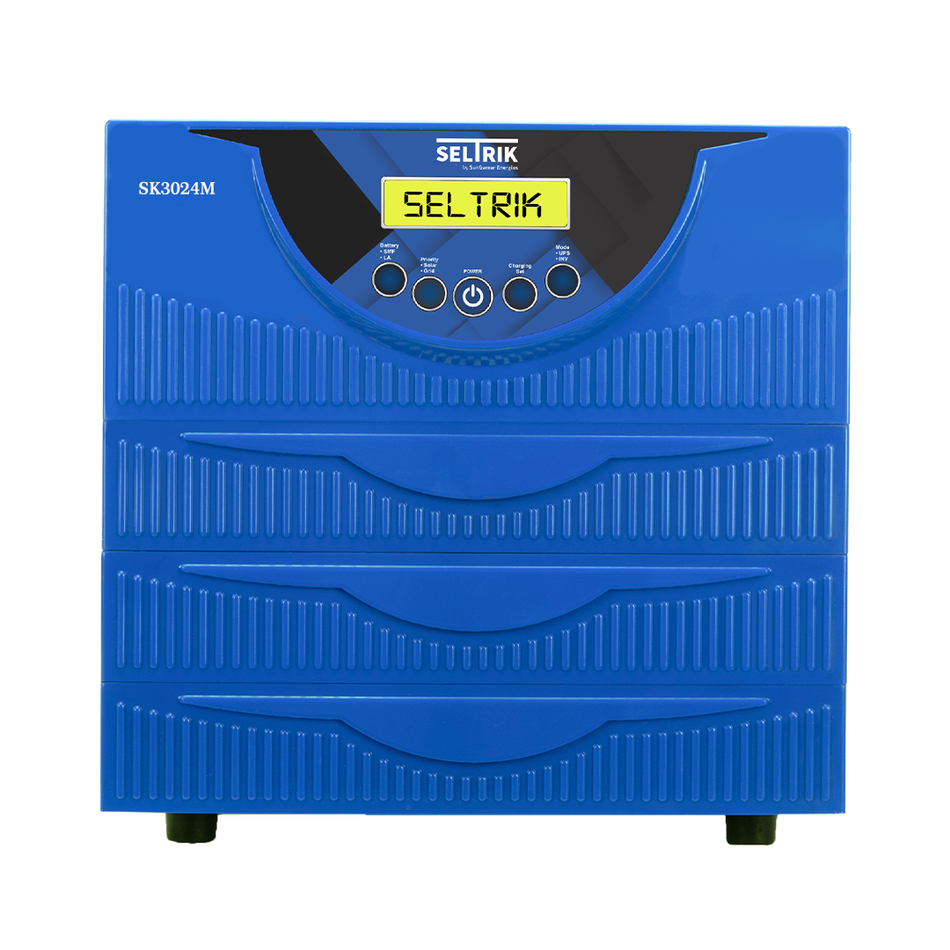
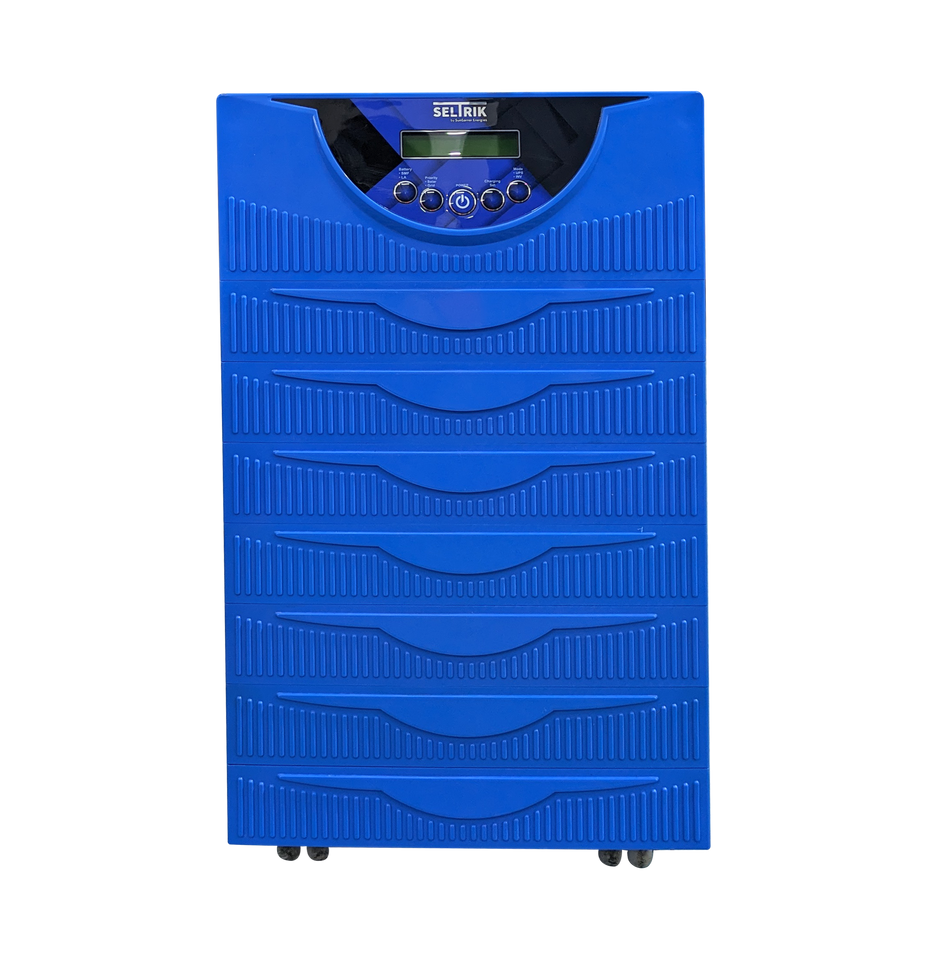
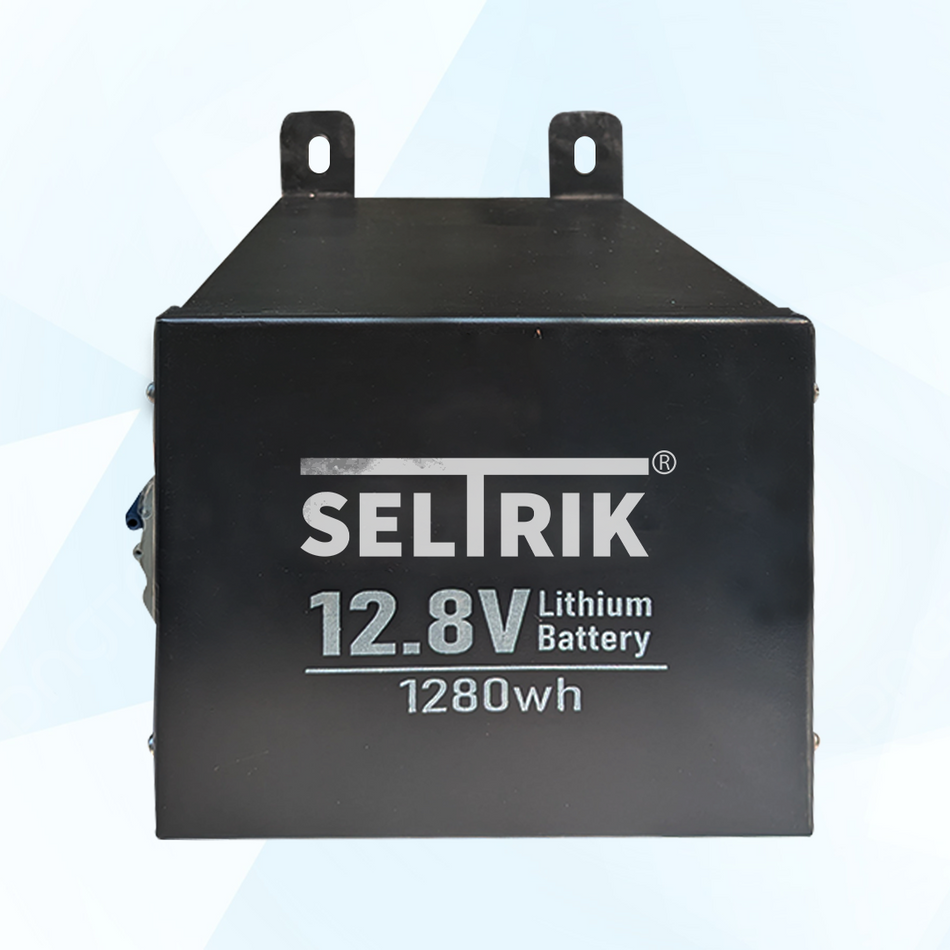
Seltrik's franchise program is designed for exactly this scenario — entrepreneurs who want to enter the solar business without spending the first year navigating licenses, empanelment, and vendor negotiations alone.
As a Seltrik solar franchise partner, you operate under an established, compliant framework with certified product lines, structured training, territory protection, and marketing support — so your setup timeline shrinks from months to weeks.
Frequently Asked Questions
Do I need a license to start a solar business in India?
Yes. At minimum, you need business registration, GST registration, and typically an electrical contractor license. MNRE/state nodal agency empanelment is also required to participate in subsidy-linked projects.
How much investment is needed to start a solar business in India?
Independent setups typically require ₹14 lakh to ₹46 lakh depending on scale, while a solar franchise partner model ranges from ₹10 lakh to ₹40 lakh, often with a faster path to revenue.
Can I start a solar business without prior technical experience?
Yes, especially through a franchise partner model, where technical and sales training is provided by the franchisor. A business/sales background is more critical than engineering expertise.
How long does it take to get MNRE empanelment?
Independent empanelment can take several months depending on state processes. Franchise partners typically operate under the franchisor's existing empanelment, significantly reducing this wait.
Is a solar franchise partner model better than starting independently?
It depends on your priorities. Independent setup offers full control but demands more time, capital, and licensing effort. A franchise partner model offers faster launch, lower risk, and built-in brand trust in exchange for a franchise fee and adherence to franchisor systems.
What documents are required to register a solar business in India?
Typically: PAN, business registration certificate (LLP/Pvt Ltd), GST registration, address proof for the business location, and electrical contractor license documentation.
Can I convert an existing electrical or EPC business into a solar franchise?
Yes — many solar franchisors welcome partners with existing electrical, construction, or EPC backgrounds, as it often accelerates technical onboarding.
Ready to Skip the Licensing Maze?
Starting a solar business independently is possible — but for most entrepreneurs, the licensing timeline and setup costs make it the slower, riskier path. Becoming a solar franchise partner lets you launch under a compliant, established brand in weeks instead of months.
Apply for the Seltrik Solar Franchise Partner Program today and get a personalized cost breakdown, territory check, and licensing support — all in one call with our partnerships team.
👉 Apply for Seltrik Franchise Partnership — Limited territories available per city.