
Electricity prices in India continue to rise every year, while power outages remain common in many cities and rural areas. As a result, homeowners are increasingly investing in rooftop solar systems to reduce electricity bills and achieve energy independence.
However, solar panels alone cannot power your home. The solar inverter is the brain of your entire solar power system. Choosing the wrong inverter can reduce efficiency, shorten battery life, and limit future expansion.
This comprehensive guide explains everything you need to know before buying a solar inverter for home, including the latest solar inverter prices, inverter types, sizing, features, and expert buying tips.
What is a Solar Inverter?
A solar inverter converts the Direct Current (DC) electricity generated by solar panels into Alternating Current (AC), which is used by home appliances like:
- Fans
- Lights
- Television
- Refrigerator
- Washing Machine
- Air Conditioner
- Water Pump
Without a solar inverter, electricity produced by solar panels cannot be used in your home.
Why Choosing the Right Solar Inverter Matters
A high-quality inverter offers:
- Maximum solar energy utilization
- Lower electricity bills
- Better battery charging
- Longer battery life
- High conversion efficiency
- Reliable backup during power cuts
- Better safety
- Smart monitoring through mobile apps
A poor-quality inverter often causes:
- Frequent breakdowns
- Reduced battery life
- Lower solar generation
- Higher maintenance costs
- Poor backup performance
Types of Solar Inverters for Home
1. Off-Grid Solar Inverter
Best for homes facing frequent power cuts.
Features:
- Requires batteries
- Stores excess solar energy
- Provides backup during outages
- Suitable for rural and semi-urban areas
Ideal for:
- Villages
- Independent houses
- Areas with unreliable electricity
2. On-Grid Solar Inverter
Best for urban homes with reliable electricity.
Features:
- No battery required
- Exports excess electricity to the grid
- Maximum savings through net metering
- Lowest maintenance
Ideal for:
- Cities
- Apartments
- Residential societies
3. Hybrid Solar Inverter
The most advanced option.
Features:
- Supports both grid and batteries
- Stores excess solar power
- Works during outages
- Future-ready technology
Ideal for:
- Premium homes
- Villas
- Smart homes
- Large residential installations
How to Select the Right Solar Inverter Capacity
Choosing the correct inverter depends on your connected load.
|
Home Size |
Daily Consumption |
Recommended Solar System |
Inverter Size |
|
1 BHK |
3–5 Units |
1–2 kW |
1–2 kVA |
|
2 BHK |
6–8 Units |
3 kW |
3 kVA |
|
3 BHK |
8–12 Units |
5 kW |
5 kVA |
|
Large House |
15+ Units |
8–10 kW |
8–10 kVA |
Solar Inverter with Price (2026)
The following table provides approximate market prices.
|
Capacity |
Suitable For |
Estimated Price (₹) |
|
1 kVA |
Small Home |
₹12,000–₹18,000 |
|
2 kVA |
1–2 BHK |
₹18,000–₹28,000 |
|
3 kVA |
Medium Home |
₹28,000–₹40,000 |
|
5 kVA |
Large Home |
₹45,000–₹75,000 |
|
8–10 kVA |
Villas |
₹85,000–₹1,80,000 |
Prices vary depending on brand, technology, battery compatibility, and smart features.
Factors Affecting Solar Inverter Prices
Several factors influence the final cost:
Capacity
Higher capacity means higher price.
Technology
Hybrid inverters cost more than standard off-grid models.
Efficiency
Premium inverters provide:
- 95–98% conversion efficiency
- Better solar harvesting
Battery Compatibility
Advanced lithium battery support increases cost.
Smart Features
Modern inverters offer:
- Wi-Fi
- Mobile monitoring
- Remote diagnostics
- Smart energy analytics
Must-Have Features in a Solar Inverter
Pure Sine Wave Output
Protects sensitive appliances and ensures stable performance.
High Efficiency
Choose inverters with efficiency above 95%.
Higher efficiency means greater savings.
MPPT Technology
Maximum Power Point Tracking extracts maximum energy from solar panels.
Benefits include:
- Faster battery charging
- Improved generation
- Better performance during cloudy weather
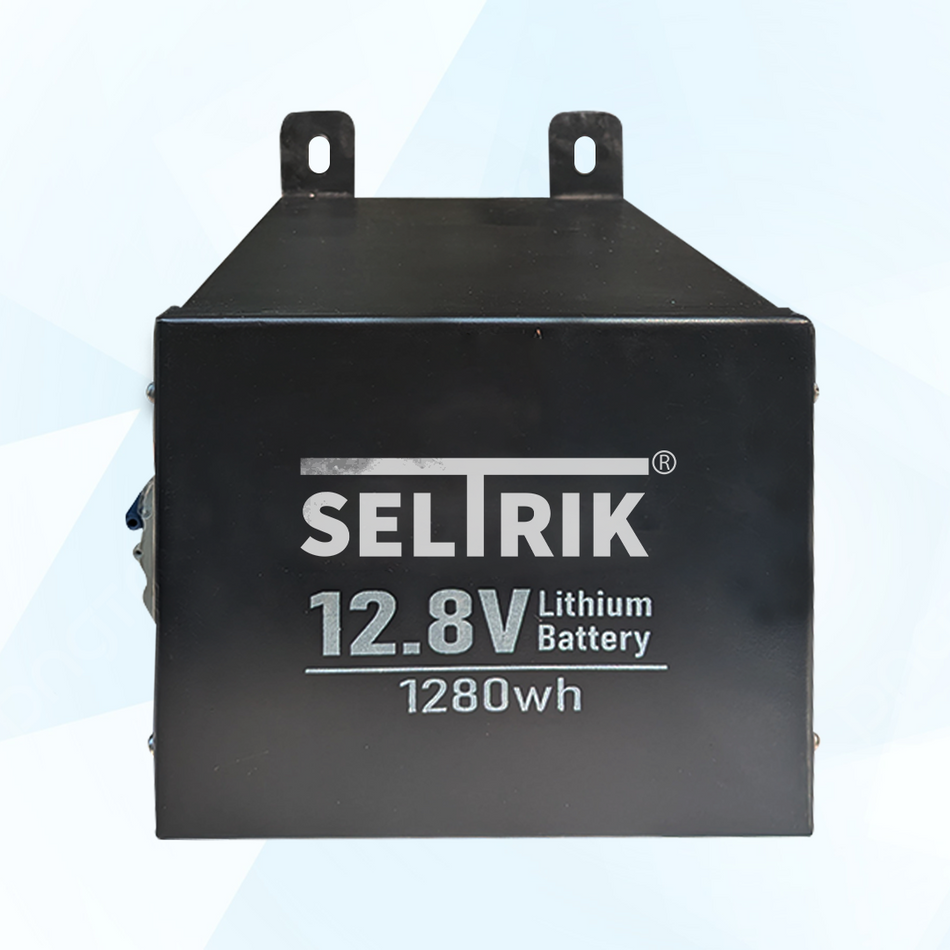
Lithium Battery Compatibility
Future-ready homes should choose lithium-compatible inverters because they offer:
- Longer life
- Faster charging
- Zero maintenance
Smart Monitoring
Wi-Fi-enabled inverters allow users to monitor:
- Solar generation
- Battery charging
- Electricity consumption
- Backup status
using mobile applications.
Expandable Capacity
Choose an inverter that allows future solar panel expansion.
How Much Solar Inverter Capacity Do You Need?
Calculate:
Connected Load (Watts)
Example:
|
Appliance |
Quantity |
Load |
|
LED Lights |
10 |
100W |
|
Fans |
5 |
350W |
|
Refrigerator |
1 |
250W |
|
Television |
1 |
150W |
|
Laptop |
2 |
200W |
Total Load = 1,050 Watts
A 2 kVA inverter is suitable for this requirement.
Common Mistakes While Buying a Solar Inverter
Many homeowners make these mistakes:
· Buying based only on price
· Ignoring future expansion
· Choosing the wrong capacity
· Ignoring battery compatibility
· Purchasing from unknown brands
· Ignoring warranty terms
· Not checking service availability
Solar Inverter vs Normal Inverter
|
Feature |
Solar Inverter |
Normal Inverter |
|
Supports Solar Panels |
Yes |
No |
|
Charges from Sunlight |
Yes |
No |
|
Saves Electricity Bills |
Yes |
No |
|
Grid Integration |
Yes |
No |
|
Battery Charging |
Solar + Grid |
Grid Only |
|
Long-Term Savings |
High |
Limited |
Why Lithium Battery Inverters Are Becoming Popular
Modern homeowners are switching to lithium battery-based systems because they offer:
- 8–15 years lifespan
- Fast charging
- Lightweight design
- Maintenance-free operation
- Higher efficiency
- Deep discharge capability
- Better backup performance
Installation Tips
For maximum efficiency:
- Install in a shaded, ventilated location.
- Keep away from water and dust.
- Ensure proper earthing.
- Use certified installers.
- Regularly clean cooling vents.
- Monitor system performance through the mobile app.
Maintenance Tips
A quality solar inverter requires minimal maintenance.
Recommended practices:
- Inspect wiring every 6 months.
- Clean dust from vents.
- Update firmware when available.
- Check battery health periodically.
- Monitor energy generation for unusual drops.
Why More Indian Homes Are Choosing Smart Solar Inverters
The latest generation of inverters offers:
- AI-based energy optimization
- Mobile monitoring
- Smart load management
- Remote diagnostics
- Lithium battery integration
- Higher conversion efficiency
- Better grid synchronization
- Enhanced safety protections
These features improve system reliability while maximizing long-term savings.
Why Choose Seltrik Solar Inverters?
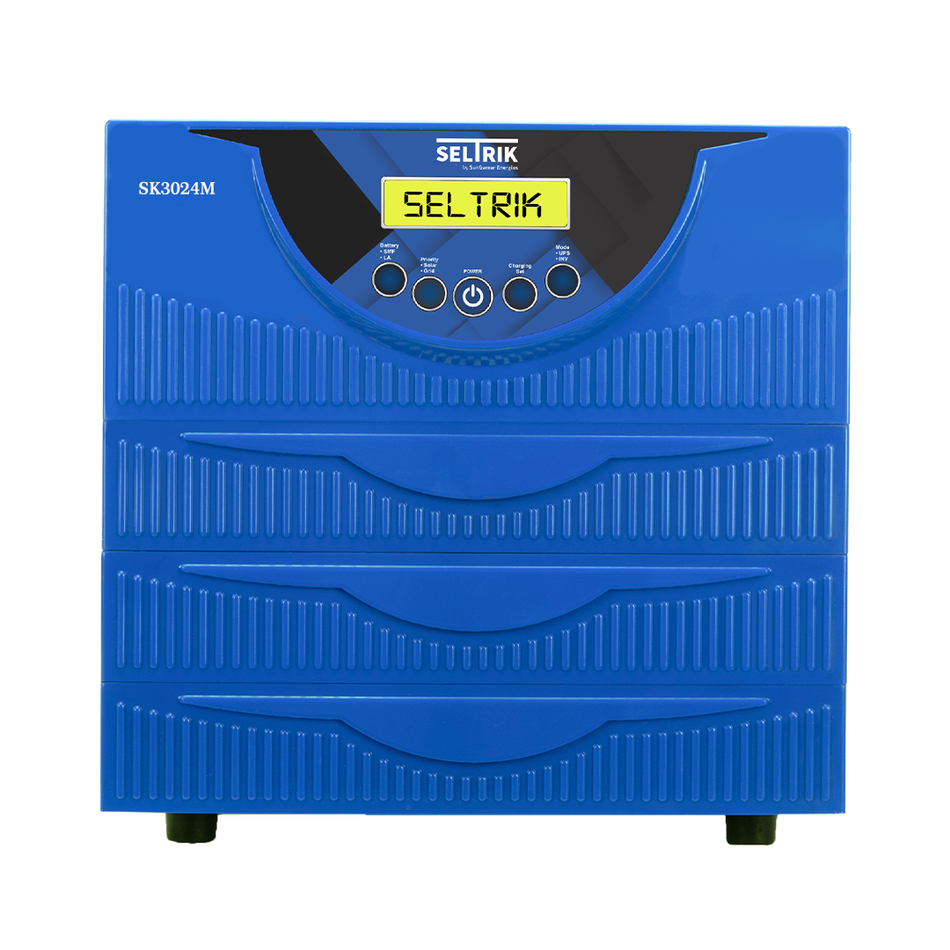
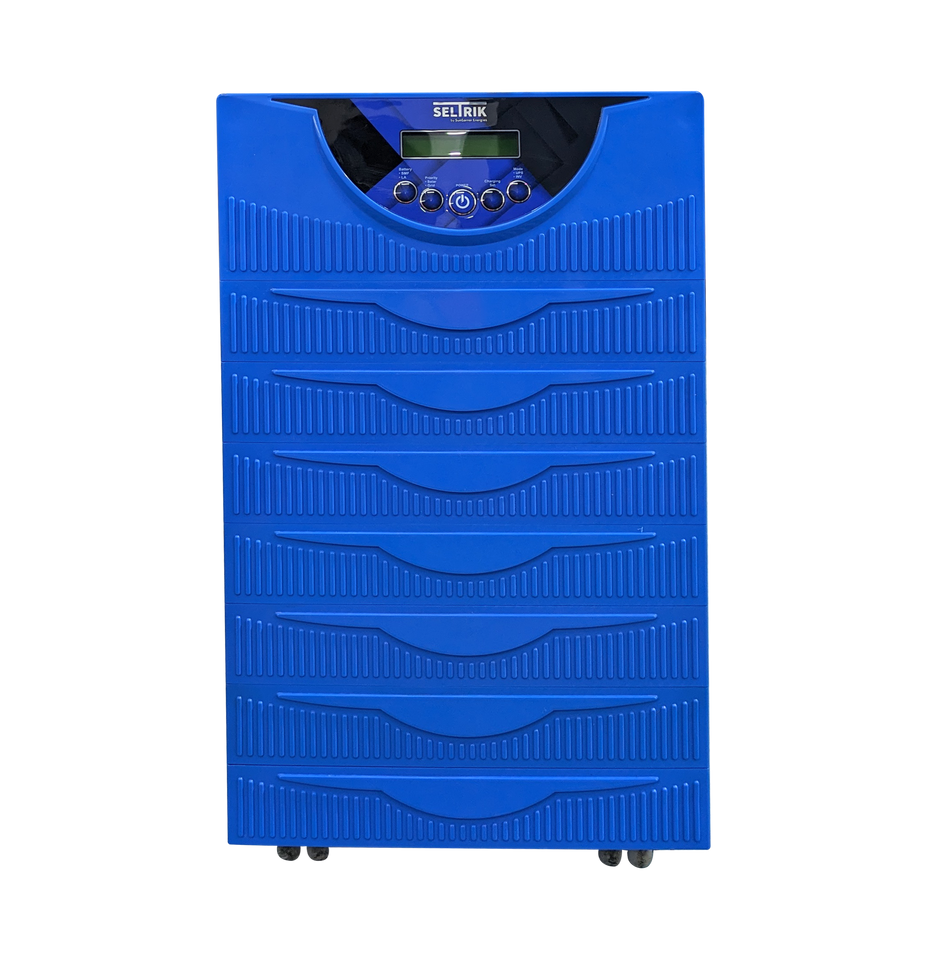
Seltrik solar inverters are designed for Indian homes, delivering dependable performance, intelligent energy management, and compatibility with modern lithium battery systems. Key advantages include:
- High conversion efficiency
- Pure sine wave output
- Advanced MPPT technology
- Lithium battery compatibility
- Intelligent battery management
- Smart monitoring features
- Reliable backup performance
- Strong after-sales support
- Built for Indian weather conditions
Whether you're installing a new rooftop solar system or upgrading an existing setup, Seltrik offers solutions that balance performance, reliability, and value.
Conclusion
Selecting the right solar inverter for home is one of the most important decisions when investing in a rooftop solar system. Rather than focusing only on solar inverter prices, consider factors such as efficiency, inverter type, capacity, battery compatibility, smart monitoring, warranty, and after-sales support.
A high-quality solar inverter helps maximize solar energy generation, reduce electricity bills, and ensure reliable backup during power outages. As more Indian households embrace clean energy, choosing a future-ready solution with advanced features can deliver better performance and long-term value. Whether you opt for an off-grid, on-grid, or hybrid model, investing in the right solar inverter today will support a more efficient, sustainable, and energy-independent home for years to come.
Frequently Asked Questions (FAQs)
Which solar inverter is best for home use in India?
A hybrid solar inverter is often the best choice because it supports solar panels, battery storage, and grid power, offering greater flexibility and uninterrupted backup.
What is the average solar inverter price in India?
Depending on capacity and features, solar inverter prices typically range from ₹12,000 to ₹1,80,000.
Is a hybrid solar inverter worth buying?
Yes. Hybrid inverters provide better energy management, battery backup, and flexibility for future expansion, making them a smart long-term investment.
How do I choose the right solar inverter capacity?
Calculate the total connected load of your appliances and choose an inverter with sufficient capacity while allowing room for future growth.
Can I use a lithium battery with a solar inverter?
Yes. Many modern solar inverters are compatible with lithium batteries, which offer faster charging, longer life, and minimal maintenance.