
Introduction:
Why ESS Is Becoming Essential for Every Home
Power cuts, rising electricity bills, and the rapid growth of solar energy have made one thing clear—modern homes need a smarter way to manage electricity. This is where an Energy Storage System (ESS) becomes a powerful and future-ready solution.
An Energy Storage System (ESS) is a technology that stores electricity and supplies it later when required. It allows homes to store excess solar power generated during the day or charge energy from the grid during off-peak hours and use it during peak hours or outages.
In simple terms, an ESS helps your home stay powered, reduce dependency on the grid, and improve energy efficiency—making it one of the smartest upgrades for modern living. Many homeowners today are also searching for a home energy storage system because it supports both backup and cost-saving energy planning.
What Is an Energy Storage System (ESS)?
An Energy Storage System (ESS) is a system designed to capture electrical energy, store it safely, and release it later when demand increases.
A typical ESS includes:
- A battery storage unit (lithium-ion or LiFePO₄ in most modern systems)
- An inverter (converts DC battery power into AC home power)
- A Battery Management System (BMS) for safety and performance control
- A controller or monitoring system for smart energy management
ESS solutions are widely used in:
- Residential homes
- Commercial buildings
- Solar power systems
- Backup power systems
Because of this, ESS is also commonly referred to as a battery energy storage system (BESS) or ESS battery in residential markets.
How Does an ESS Work?
An ESS works in three major stages:
1. Charging
The ESS stores electricity from:
- Solar panels (daytime generation)
- Electricity grid (especially during low-tariff hours)
- Generator (backup charging, if supported)
2. Storage
The energy is stored inside a battery system. Most modern home ESS solutions use lithium-ion or LiFePO₄ batteries due to high efficiency, faster charging, and long cycle life.
3. Discharge
When the grid fails or when power demand increases, the ESS supplies stored energy to run home appliances.
This charging-storage-discharge cycle ensures uninterrupted power and optimized electricity usage.
ESS vs Inverter vs UPS: What’s the Difference?
Many homeowners search online for ESS vs inverter because the difference is not always clear.
|
System Type |
Main Purpose |
Battery Type |
Smart Features |
Best For |
|
UPS |
Instant short backup |
Small battery |
Limited |
Computers, routers |
|
Traditional Inverter |
Backup power |
Mostly lead-acid |
Basic |
Fans, lights, fridge |
|
Energy Storage System (ESS) |
Backup + energy optimization |
Lithium / LiFePO₄ |
Advanced monitoring |
Smart homes, solar users |
A traditional inverter is mainly a backup device, while an ESS is designed for smarter storage, long life, and efficient power planning. A modern ESS is often a solar inverter with battery capability, which makes it more useful for long-term savings.
Why Modern Homes Need an Energy Storage System
Modern households use more appliances than ever—air conditioners, washing machines, refrigerators, smart TVs, Wi-Fi routers, security systems, and kitchen equipment. Even short power outages can disrupt daily life.
Here are the biggest reasons why ESS is now considered a smart power solution.
Key Benefits of ESS for Homes
1. Reliable Backup Power
An ESS ensures your home continues running during power cuts. Compared to conventional backup solutions, modern ESS systems offer cleaner switching and stable voltage, making them safer for sensitive electronics.
2. Lower Electricity Bills
A home energy storage system can reduce electricity costs by:
- Storing solar energy and using it later
- Charging during low-tariff hours and using power during peak hours
This benefit is especially useful in areas where time-of-use electricity pricing exists.
3. Better Use of Solar Power
Solar panels generate maximum electricity during the day, but home usage is often higher in the evening and night. With solar battery storage, homeowners can store extra solar power and use it after sunset, increasing solar self-consumption.
4. Energy Independence
With ESS installed, dependence on the electricity grid reduces. This is especially helpful in rural and semi-urban areas where power supply is unstable.
5. Environment-Friendly Power Solution
ESS supports renewable energy usage and reduces dependence on fossil fuel-based electricity generation. It contributes to lower carbon emissions and cleaner energy consumption.
6. Supports Smart Home Energy Management
Many ESS systems include monitoring apps that show:
- Battery percentage
- Charging/discharging status
- Load usage
- Solar contribution
This helps homeowners optimize energy flow and plan consumption better.
Understanding ESS Capacity: kWh vs VA (Important for Buyers)
One common confusion is between inverter size and battery size.
- VA / Watt Rating = how much load the inverter can run at one time
- kWh Battery Capacity = how long the battery can run the load
Example:
A 2kVA inverter can handle higher loads, but if the battery is small, backup time will still be limited.
This is why buyers should always check both:
- Inverter rating (VA / watts)
- Battery energy capacity (Wh / kWh)
ESS Sizing Example: How Much Backup Can You Expect?
To understand how much backup an Energy Storage System (ESS) can provide, you need to calculate your total load (in watts) and compare it with the battery capacity (in kWh).
A simple rule is:
Backup Time (Hours) = Battery Capacity (kWh) ÷ Load (kW)
(Actual backup may vary slightly due to inverter efficiency and battery safety limits.)
Example Home Load Calculation
Let’s assume a typical home uses:
- 3 fans = 70W × 3 = 210W
- 4 LED lights = 10W × 4 = 40W
- Wi-Fi router = 15W
- TV = 100W
- Refrigerator (average) = 150W
Total Load = 515W (approx.)
If you have a 1kWh ESS battery, usable energy is usually around 850Wh–900Wh (after efficiency and reserve margin).
Backup estimate:
850Wh ÷ 515W = 1.6 hours (approx.)
A 2kWh ESS battery will provide roughly double backup, depending on load usage and inverter efficiency.
Common Backup Scenarios (1kWh ESS System)
A 1kWh home energy storage system is suitable for basic to moderate backup needs.
High Usage (700W – 1000W): 1 – 1.6 hours
Example appliances:
- Small AC or air cooler
- Refrigerator
- TV
Moderate Usage (300W – 500W): 2– 3 hours
Example appliances:
- 2 fans
- LED lights
- Computer
- Wi-Fi router
Low Usage (100W – 200W): 4 – 8 hours
Example appliances:
- 1–2 fans
- LED lights
- Wi-Fi
- Phone charging
Common Backup Scenarios (2kWh ESS System)
A 2kWh ESS battery is ideal for longer backup and higher appliance support.
High Usage (1kW – 2kW): 1 – 1.8 hours
Example appliances:
- Small AC
- Refrigerator
- TV
Moderate Usage (400W – 500W): 3 – 5 hours
Example appliances:
- Fans
- Lights
- Computer
- Wi-Fi router
Low Usage (100W – 200W): 10 – 16 hours
Example appliances:
- Fans
- LED lights
- Wi-Fi
- Phone charging
Important Note
Actual backup time depends on:
- inverter efficiency (usually 85%–95%)
- battery usable capacity (depth of discharge limit)
- appliance surge load (especially fridge and AC)
- battery health and temperature
That’s why choosing the right ESS size is critical. If your home needs long backup, investing in a higher kWh capacity ESS will deliver better performance and reliability.
Types of Energy Storage Systems (ESS)
There are multiple energy storage technologies, but the most practical and cost-effective option for homes is battery-based storage.
1. Battery Energy Storage System (BESS)
This is the most common residential ESS type. It stores energy in rechargeable batteries, usually lithium-ion or LiFePO₄.
2. Thermal Energy Storage
This stores energy as heat or cold and is mostly used in large industrial cooling/heating applications.
3. Mechanical Storage Systems
Includes flywheels and compressed air storage, mainly used in commercial or grid-level applications.
For residential homes, battery ESS remains the most reliable and widely used solution.
Lithium Battery ESS vs Traditional Lead-Acid Inverter Systems
Many homes still use lead-acid battery inverters, but lithium-based ESS is now becoming the preferred choice.
Lithium ESS Advantages
- Faster charging
- Longer lifespan (higher cycle life)
- Higher efficiency
- Compact size
- Maintenance-free operation
- Better performance during frequent power cuts
Lead-Acid Limitations
- Requires regular maintenance
- Shorter lifespan
- Larger and heavier battery setup
- Slower charging
- Performance reduces over time
For modern homes, a lithium inverter for home backup provides better long-term value and convenience.
Common Use Cases of ESS in Residential Homes
Solar Homes
Solar + ESS allows homeowners to store excess solar power and use it at night, reducing grid dependency. This setup is often called a solar battery for home.
Homes in High Outage Areas
ESS provides stable power for essential appliances like fans, lights, refrigerator, and Wi-Fi.
Apartments and Urban Homes
Compact ESS systems, especially an inverter with lithium battery, are ideal for limited space homes.
Time-of-Use Electricity Billing Areas
ESS enables charging during cheaper electricity hours and using stored power during expensive peak hours.
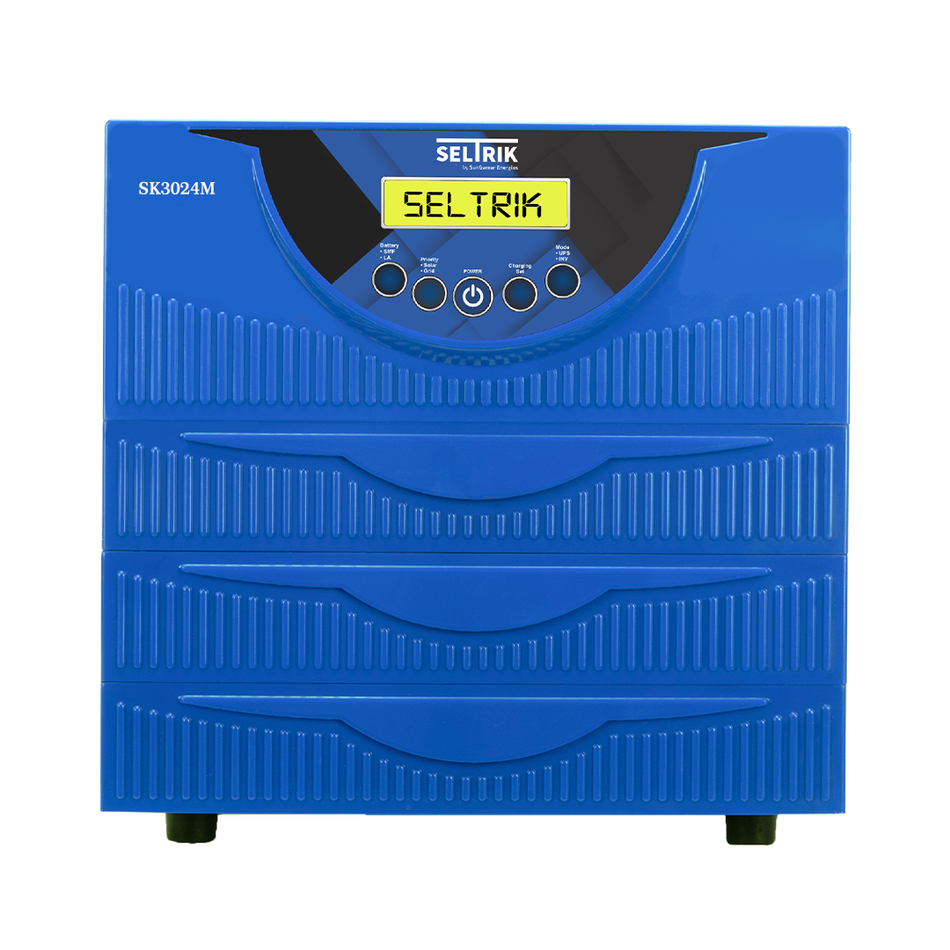
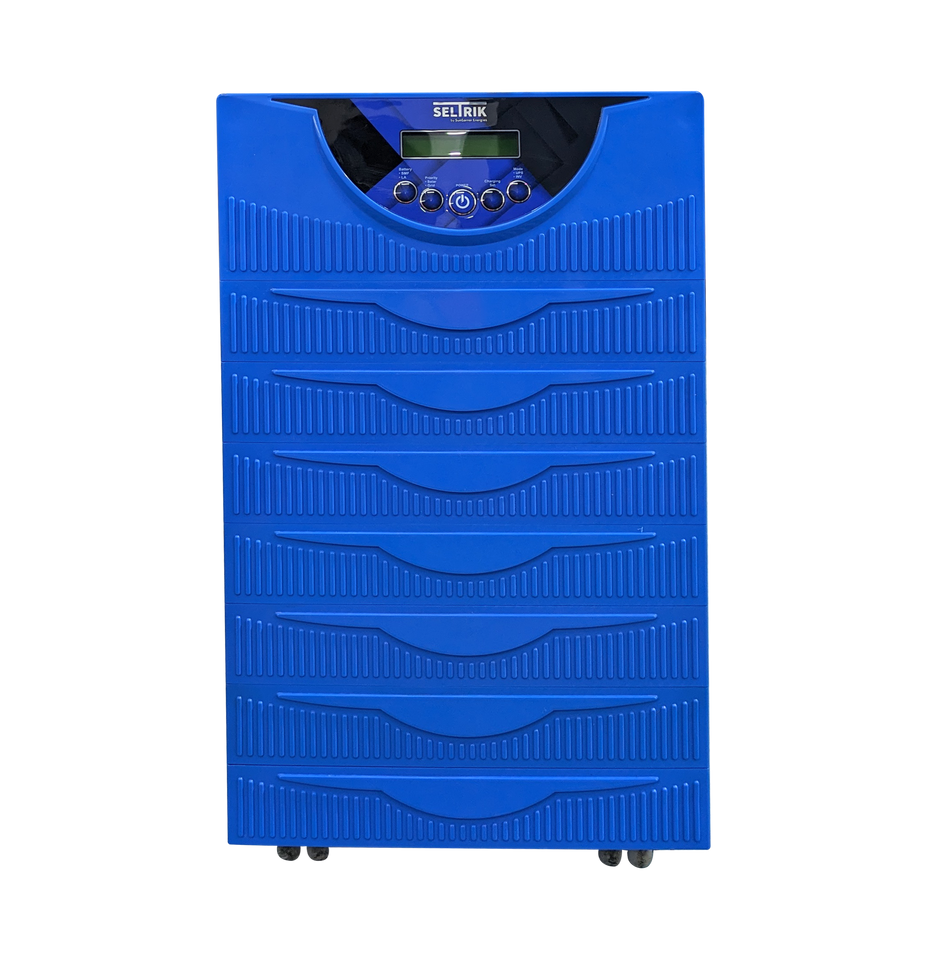
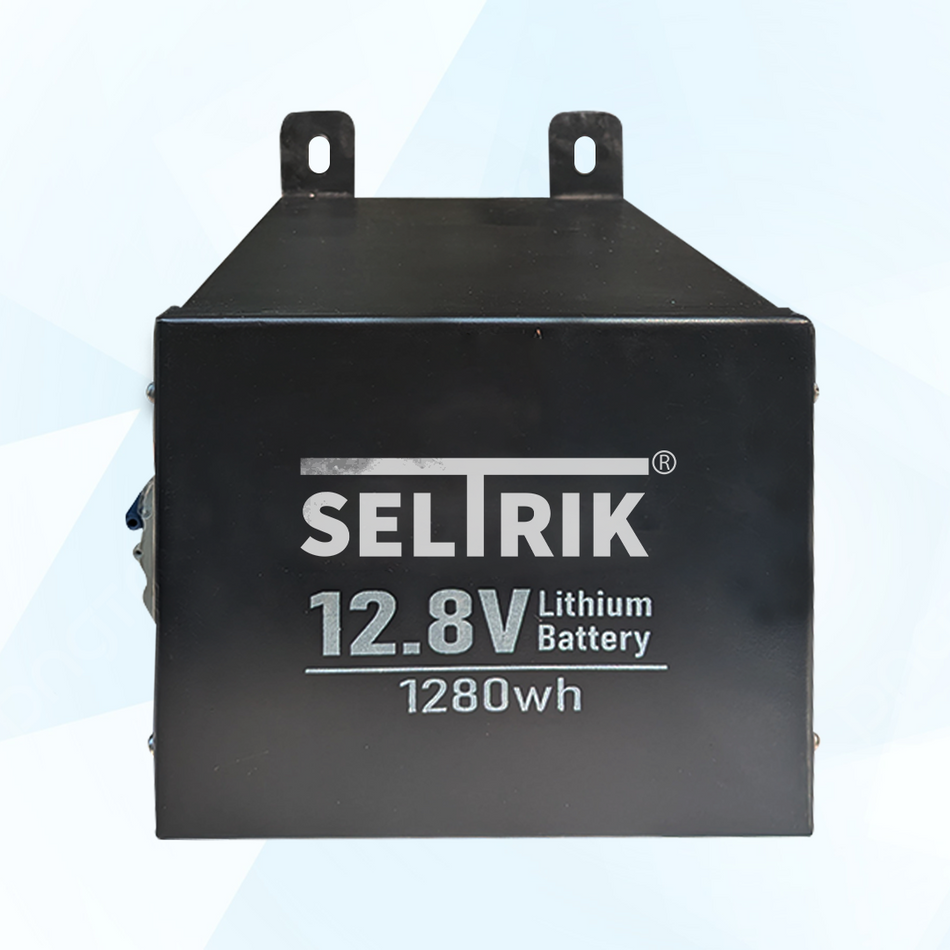
A Smart Example of Modern ESS: SELTRIK Inverter with Inbuilt Lithium Battery
A modern ESS is not just about storing energy—it is also about compact design, safety, and simplified installation. One practical example of this advanced concept is the SELTRIK inverter with inbuilt lithium battery.
Unlike traditional setups that require a separate external battery, SELTRIK provides an all-in-one solution, making it a cleaner and space-saving battery backup for home.
Why SELTRIK Inbuilt Lithium Battery Inverter Is a Smart ESS Solution
SELTRIK’s inbuilt lithium inverter range is designed to provide:
- Reliable backup during power cuts
- Solar compatibility for energy savings
- Compact design for modern homes
- Maintenance-free operation
All-in-One ESS Design (No External Battery Required)
Since the lithium battery is built into the inverter unit:
- Installation becomes simpler
- Wiring is reduced
- Space requirement becomes minimal
- Safety improves through integrated BMS protection
This is especially useful for apartments and homes with limited installation space.
Challenges of ESS Adoption
While ESS provides many advantages, homeowners should also consider these factors:
1. Higher Initial Cost
Lithium ESS systems have a higher upfront cost than lead-acid systems, but they deliver better long-term savings due to long life and higher efficiency.
2. Proper Sizing Is Important
Choosing the wrong ESS size may lead to insufficient backup or unnecessary expense. Load calculation is essential.
3. Installation Quality Matters
ESS performance depends on correct installation, wiring protection, and ventilation. Always choose professional installation support.
Energy Storage System Price in India (What Affects Cost?)
Many buyers search for energy storage system price in India, but pricing depends on multiple factors such as:
- Battery capacity (kWh size)
- Lithium chemistry (Li-ion vs LiFePO₄)
- Inverter rating (VA / watt)
- Brand quality and warranty
- Solar compatibility and smart monitoring features
Instead of only focusing on price, homeowners should compare value based on battery lifespan, warranty coverage, and safety features like BMS.
How to Choose the Right ESS for Your Home
Before purchasing an ESS, consider these key points:
1. Backup Requirement
Decide whether you need backup for:
- Lights and fans only
- Essential appliances (fridge, TV, Wi-Fi)
- Heavy appliances like AC and washing machine
2. Battery Type
Lithium batteries are recommended for efficiency, long lifespan, and low maintenance.
3. Solar Compatibility
If you plan to install solar panels, choose a solar-ready ESS.
4. Power Rating
Your inverter rating should match your total home load.
5. Warranty and Service Support
Always choose a brand with proper warranty coverage and strong after-sales support.
Conclusion: ESS Is the Smart Upgrade Every Modern Home Needs
An Energy Storage System (ESS) is no longer just a backup option—it is a complete smart energy solution for modern households. It improves energy independence, reduces electricity bills, supports solar usage, and provides reliable backup power.
With growing demand for compact and efficient solutions, systems like the SELTRIK inverter with inbuilt lithium battery show how modern ESS technology is evolving into a simple, all-in-one setup for homes.
If you want a future-ready home power solution, investing in a high-quality battery energy storage system is one of the smartest decisions you can make today.
Frequently Asked Questions (FAQs)
Q: What does ESS mean in electricity?
A: ESS stands for Energy Storage System, which stores electricity for later use.
Q: Is ESS useful without solar panels?
A: Yes. ESS can charge from the electricity grid and provide backup during outages.
Q: How long does a home ESS battery last?
A: Lithium-based ESS systems generally last 15 to 20+ years, depending on cycles, depth of discharge, and operating temperature.
Q: What is the best ESS for modern homes?
A: A lithium-based ESS with solar compatibility and integrated BMS protection is considered best. All-in-one systems like inbuilt lithium battery inverters are ideal for compact modern homes.