
Power cuts don't wait for a convenient time. They hit during an important video call, in the middle of dinner, or right when the kids sit down to study. For decades, the Indian household's answer to this problem was a bulky inverter paired with an even bulkier lead-acid battery — usually shoved into a corner, dripping with maintenance needs and the faint smell of battery acid.
That's changing. A newer category of power backup — the inverter with inbuilt battery — combines solar inverter and battery into a single wall-mounted unit. No external wiring, no water top-ups, no floor space lost to a battery trolley.
This guide covers how solar inverter with inbuilt battery works, how it stacks up against a traditional setup, what to actually check before buying one, and where our own Seltrik range fits into that decision — alongside a fair look at the other brands you'll likely be comparing it to.
What Is an Inverter with Inbuilt Battery?
An inverter with an inbuilt battery is an all-in-one power backup system that integrates solar inverter, battery, charger, and battery management system into a single unit.
Unlike a conventional inverter and battery setup, where the inverter and battery are purchased separately, an inbuilt battery inverter is designed as one integrated system.
Traditional Inverter Setup
Grid Power → Inverter → External Battery → Appliances
This setup generally requires:
· Separate inverter and battery
· Additional cables and connections
· More installation space
· Regular battery maintenance in the case of lead-acid batteries
· A separate battery replacement cycle
Inverter with Inbuilt Lithium Battery
Grid/Solar Power → Integrated Inverter + Lithium Battery → Appliances
This design offers a more compact and organized solution for users who want convenient power backup without a separate battery bank.
A modern inbuilt lithium battery inverter can include:
· Solar Inverter
· Lithium battery
· Battery charger
· Battery Management System (BMS)
· Safety protection systems
· Solar charging capability, depending on the model
Why Choose an Inbuilt Lithium Battery Inverter?
Lithium battery technology has changed the way people think about residential and small commercial power backup. Compared with conventional lead-acid batteries, lithium-based systems are compact, require less maintenance, and can offer faster charging and longer operational life.
The most important advantages include:
1. All-in-One Design
The biggest advantage of an inverter with an inbuilt battery is convenience.
Solar inverter and battery are already integrated into a single system. This reduces the need for complex wiring and makes installation simpler.
You do not have to separately select:
· An inverter
· A compatible battery
· Battery cables
· A charger
· Additional protection equipment
The integrated design helps create a cleaner and more organized power backup system.
2. Saves Valuable Floor Space
Traditional inverter batteries can occupy considerable floor space. This can be inconvenient in apartments, compact homes, offices, shops, and clinics.
A wall mounted solar inverter can be installed vertically on a suitable wall, freeing up floor space.
This makes an inverter wall mount design particularly useful for:
· Apartments
· Bedrooms
· Living rooms
· Small offices
· Retail shops
· Clinics
· Reception areas
· Work-from-home spaces
Instead of placing a large battery on the floor, a wall-mounted system provides a cleaner and more modern installation.
3. Low-Maintenance Operation
Conventional lead-acid batteries may require periodic maintenance, including water topping and checking for corrosion.
Lithium battery systems are generally designed for low-maintenance operation. Users do not need to perform regular water topping, and there is no need to manage acid leakage associated with conventional flooded lead-acid batteries.
This makes an inbuilt lithium battery inverter a convenient choice for users who prefer a more maintenance-free power backup solution.
4. Faster Charging
One of the main reasons consumers choose lithium battery technology is faster charging.
The exact charging time depends on the inverter model, battery capacity, charger rating, load, and available power source. However, lithium battery systems are generally designed to provide efficient charging compared with many conventional lead-acid battery setups.
For homes and offices experiencing frequent power cuts, faster charging can help ensure the battery is ready for the next outage.
5. Longer Battery Life
Battery life depends on factors such as:
· Battery chemistry
· Depth of discharge
· Charging conditions
· Operating temperature
· Usage pattern
· Quality of the battery management system
However, lithium batteries are generally selected for applications where long service life and frequent charging and discharging are important.
This can make an inbuilt inverter battery based on lithium technology a long-term alternative to conventional battery systems.
6. Advanced Battery Management System
A quality lithium battery inverter should include a Battery Management System, commonly known as a BMS.
The BMS monitors important battery parameters and helps protect the battery against conditions such as:
· Overcharging
· Deep discharge
· Overheating
· Overcurrent
· Short circuit
The BMS is an important part of a modern inbuilt lithium battery inverter because it helps manage battery operation and supports safe and reliable performance.
Best Inverter with Inbuilt Battery for Home Use
The best inverter with an inbuilt battery for a home depends on your actual power requirement.
A small apartment may need backup for:
· Wi-Fi router
· Lights
· Fans
· Television
· Laptop
· Mobile chargers
A larger home may also need backup for additional appliances.
Before choosing an inverter, calculate the appliances you want to operate during a power cut.
Example Home Load Calculation
|
Appliance |
Approx. Power |
|
3 LED Lights |
30–45W |
|
2 Fans |
120–160W |
|
Wi-Fi Router |
10–15W |
|
Television |
80–150W |
|
Laptop |
50–100W |
|
Approximate Total |
290–470W |
The actual power consumption varies depending on the appliance model.
For many basic home backup requirements, a compact inverter with an integrated lithium battery can provide a convenient solution. However, the required capacity should always be selected according to your load and desired backup time.
Best Inverter with Inbuilt Battery for Office Use
Offices often require reliable backup for essential equipment such as:
· Computers
· Wi-Fi routers
· Networking equipment
· LED lights
· CCTV systems
· Printers
· Small communication equipment
For office applications, backup power is particularly important because a sudden power cut can interrupt meetings, internet connectivity, data access, and daily operations.
A wall-mounted inverter can be useful in offices because it:
· Saves floor space
· Keeps wiring organized
· Provides a cleaner installation
· Reduces the need for a separate battery area
· Offers convenient backup for essential loads
For larger office loads, users should select the inverter capacity and battery energy based on the total connected load and required backup duration.
What Is a Wall Mounted Inverter?
A wall mounted inverter is designed to be installed on a wall instead of being placed on the floor.
The key difference is the installation format.
A conventional inverter with an external battery may require a dedicated area. A wall-mounted system uses vertical space, helping users maintain a cleaner and more organized environment.
Benefits of an Inverter Wall Mount Design
Space Saving
The most obvious advantage is that it helps save floor space.
This is particularly useful for:
· Small apartments
· Modern homes
· Offices
· Shops
· Clinics
Cleaner Appearance
A wall-mounted installation can provide a cleaner appearance compared with a separate inverter and battery setup.
Better Organization
An integrated system reduces the number of external cables and separate components required during installation.
Ideal for Modern Interiors
As homes and offices become more compact and design-focused, a wall-mounted power backup system can blend more easily with the surroundings.
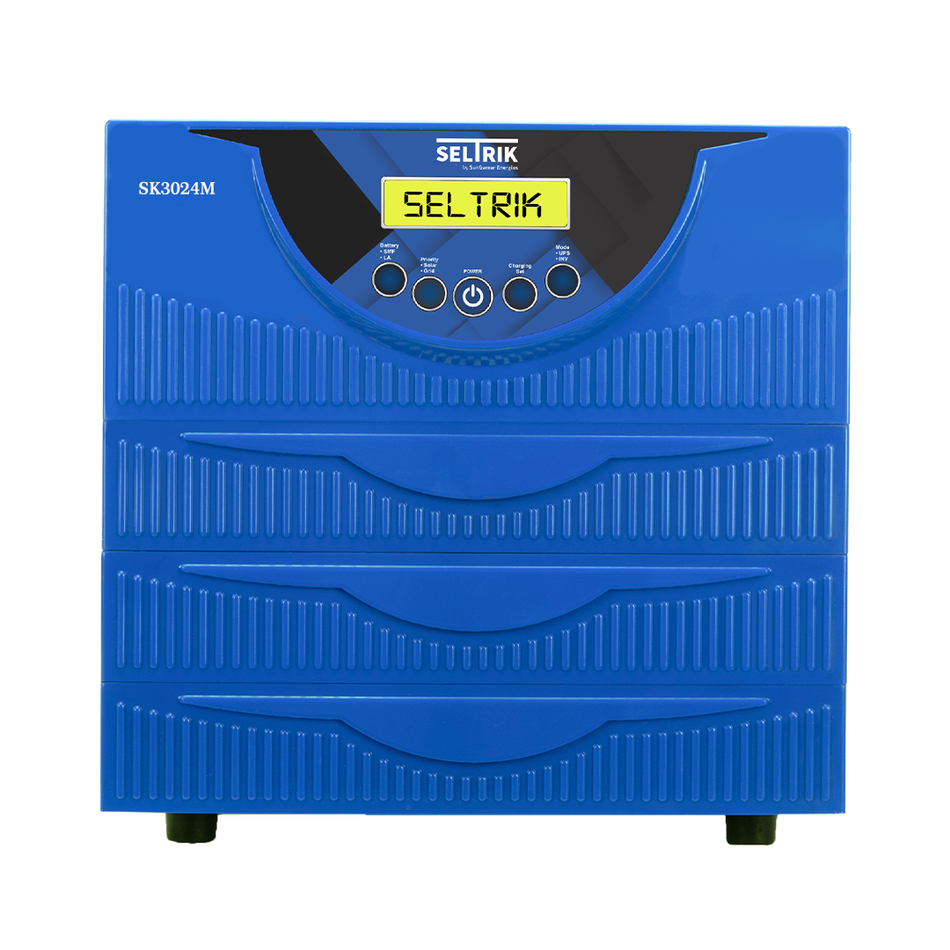
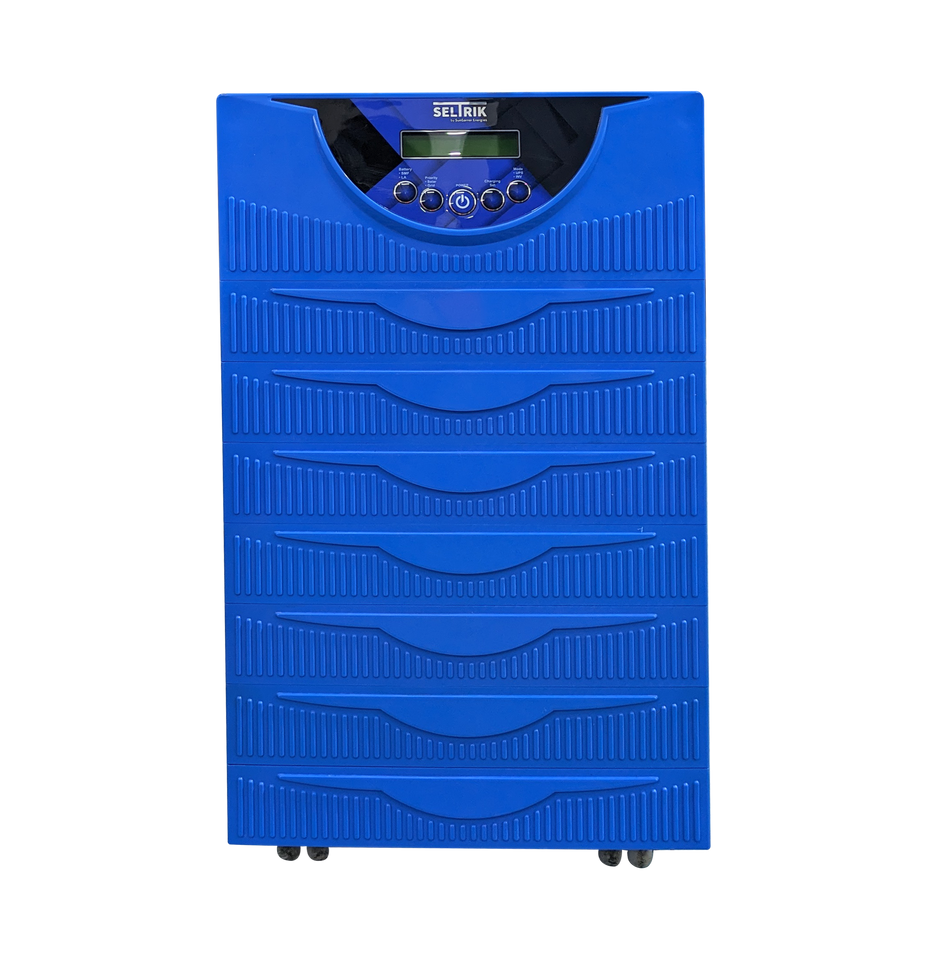
Seltrik Smart Wall Mounted Solar Inverter with Inbuilt Lithium Battery
Seltrik offers a smart wall-mounted solar inverter with an integrated lithium battery designed for modern homes and small commercial applications.
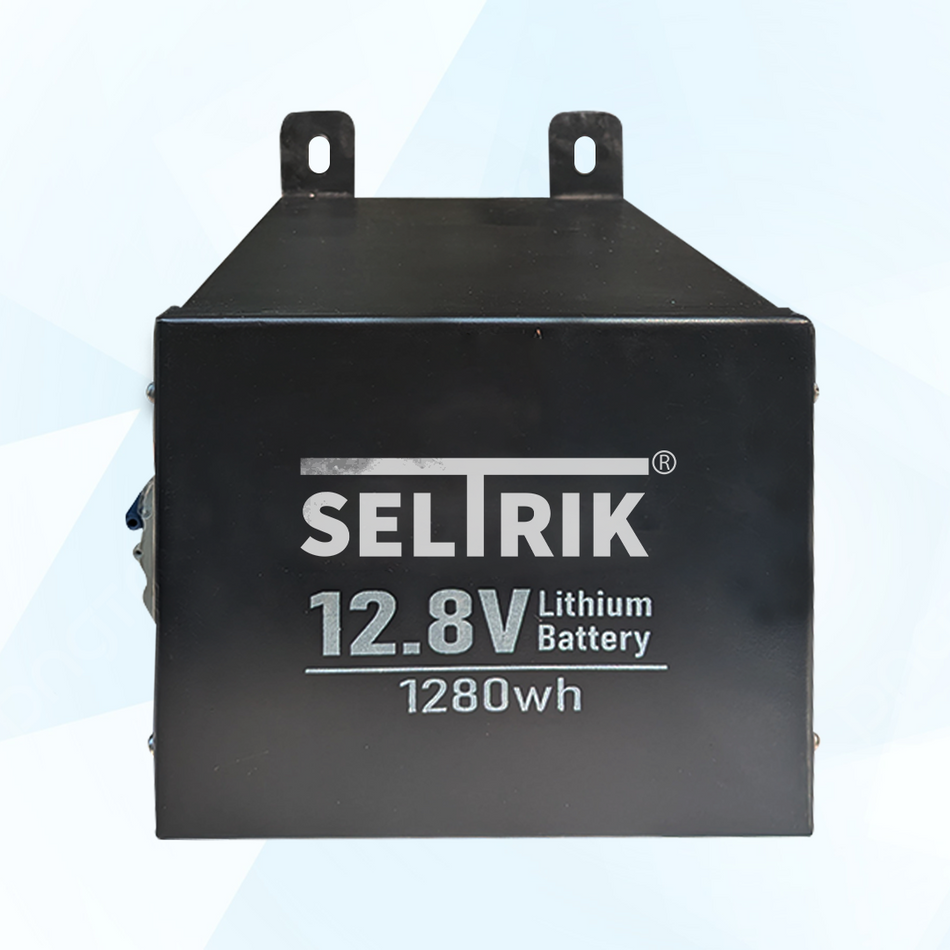
The system combines the inverter and LiFePO₄ battery into a compact, all-in-one power backup solution. The design eliminates the need for a separate external battery, helping reduce installation complexity and save space.
Key Features
· Smart wall-mounted design
· Integrated lithium battery
· LiFePO₄ battery technology
· Maintenance-free operation
· Compact all-in-one design
· Easy installation
· Protection against overcharging and deep discharge
· Protection against overheating and short circuits
· Suitable for homes, offices, shops, and small commercial applications
For users looking for a compact inverter with inbuilt battery for home, the Seltrik wall-mounted model provides a space-saving alternative to conventional inverter-battery systems.
Inbuilt Lithium Battery Inverter vs Traditional Inverter
|
Feature |
Inbuilt Lithium Battery Inverter |
Traditional Inverter + External Battery |
|
Design |
Integrated all-in-one system |
Separate inverter and battery |
|
Installation |
Simpler |
More wiring required |
|
Space |
Compact |
Requires additional floor space |
|
Maintenance |
Low |
May require regular maintenance |
|
Battery Technology |
Lithium/LiFePO₄ |
Often lead-acid |
|
Appearance |
Clean and modern |
More bulky |
|
Charging |
Generally faster |
Depends on battery technology |
|
Battery Management |
Integrated BMS in lithium systems |
Depends on battery and inverter |
|
Ideal For |
Modern homes and offices |
Conventional backup requirements |
The right choice depends on your budget, load requirement, backup duration, and installation preferences. However, for users prioritising compact design and low maintenance, an inbuilt lithium battery inverter can offer significant advantages.
How to Choose the Best Inverter with Inbuilt Battery?
Before purchasing an inverter with an inbuilt battery, consider the following factors.
1. Check the Inverter Capacity
Inverter capacity is generally expressed in VA or kVA.
The capacity you need depends on the total load you want to operate during a power cut.
Do not select an inverter only based on the number of appliances. Calculate the approximate wattage of your essential appliances.
2. Check the Battery Capacity
The inverter capacity tells you how much load the system can support.
Battery capacity determines how long the system can provide backup.
For example, an inverter designed to run essential appliances for a short period may require a smaller battery capacity than a system designed for several hours of backup.
3. Choose the Right Battery Chemistry
Battery chemistry affects:
· Battery life
· Charging speed
· Maintenance
· Weight
· Safety
· Usable capacity
For modern compact applications, LiFePO₄ batteries are increasingly preferred because of their combination of safety, long service life, and suitability for energy storage applications.
4. Look for BMS Protection
If you are buying a lithium inverter, check whether the battery includes a suitable Battery Management System.
Important protection features may include:
· Overcharge protection
· Over-discharge protection
· Over-temperature protection
· Short-circuit protection
· Overcurrent protection
5. Consider the Installation Location
If you have limited floor space, a wall-mounted inverter can be a practical choice.
Before installation, ensure the wall and mounting location are suitable for the product's weight and installation requirements.
The inverter should also be installed in a location with suitable ventilation and according to the manufacturer's guidelines.
6. Check Solar Compatibility
If you are planning to add solar panels now or in the future, consider a system that supports solar charging.
A solar-compatible inverter with an inbuilt battery can store energy generated during the day and provide backup when required, depending on the system configuration.
7. Consider Warranty and After-Sales Support
Power backup systems are long-term investments.
Before buying, check:
· Product warranty
· Battery warranty
· Service support
· Installation support
· Availability of replacement components
A reliable brand with proper technical support can make a significant difference over the life of the system.
Is an Inverter with Inbuilt Battery Worth Buying?
For many modern homes and offices, the answer can be yes.
An inverter with an inbuilt lithium battery is particularly useful when you want:
· A compact power backup system
· A clean installation
· Less maintenance
· Faster charging
· Long-term battery performance
· A wall-mounted design
· Simplified installation
However, it is important to select the correct capacity. A small inverter may not be suitable for heavy loads, while an oversized system may increase the initial investment unnecessarily.
The best solution is the one that matches your actual power requirements.
Final Verdict: Is an Inverter with Inbuilt Battery the Right Choice?
The way people use power backup is changing.
Traditional inverter systems with separate batteries continue to serve many applications, but modern users increasingly want solutions that are compact, easy to install, low-maintenance, and visually cleaner.
An inverter with inbuilt battery combines the inverter and battery into a single system. When paired with lithium battery technology and a wall-mounted design, it can provide a practical power backup solution for homes, offices, shops, and small businesses.
If you are looking for a modern alternative to a conventional inverter and external battery setup, a wall mounted inverter with an inbuilt lithium battery is worth considering.
Frequently Asked Questions
What is the best inverter with an inbuilt battery for home?
The best inverter with an inbuilt battery depends on your connected load, required backup time, battery technology, and installation space. For modern homes requiring a compact and low-maintenance solution, an inbuilt lithium battery inverter with a wall-mounted design can be a suitable option.
Is an inbuilt lithium battery inverter better than a traditional inverter?
An inbuilt lithium battery inverter offers several advantages, including compact design, low maintenance, integrated battery management, and simpler installation. A traditional inverter with an external battery may still be suitable for users who require a different capacity or a more modular system.
What is a wall mounted inverter?
A wall mounted inverter is designed to be installed on a wall instead of occupying floor space. It is particularly suitable for apartments, offices, shops, and other areas where space is limited.
Can an inverter with an inbuilt battery be used in an office?
Yes. An inverter with an inbuilt battery can be used for essential office loads such as computers, Wi-Fi routers, lights, CCTV systems, and other compatible equipment. The inverter capacity should be selected according to the total load.
Is a lithium battery inverter maintenance-free?
Lithium battery inverters generally require significantly less maintenance than conventional flooded lead-acid battery systems. However, the system should still be operated and serviced according to the manufacturer's instructions.
How long does an inbuilt inverter battery last?
Battery life depends on the battery chemistry, usage pattern, charging conditions, depth of discharge, temperature, and product quality. Lithium battery systems are generally selected for their long service life compared with traditional lead-acid batteries.
Can a wall-mounted inverter save space?
Yes. A wall-mounted inverter uses vertical wall space and can help free up valuable floor space. This makes it useful for compact homes, offices, shops, and apartments.