
What Is an Inverter Battery?
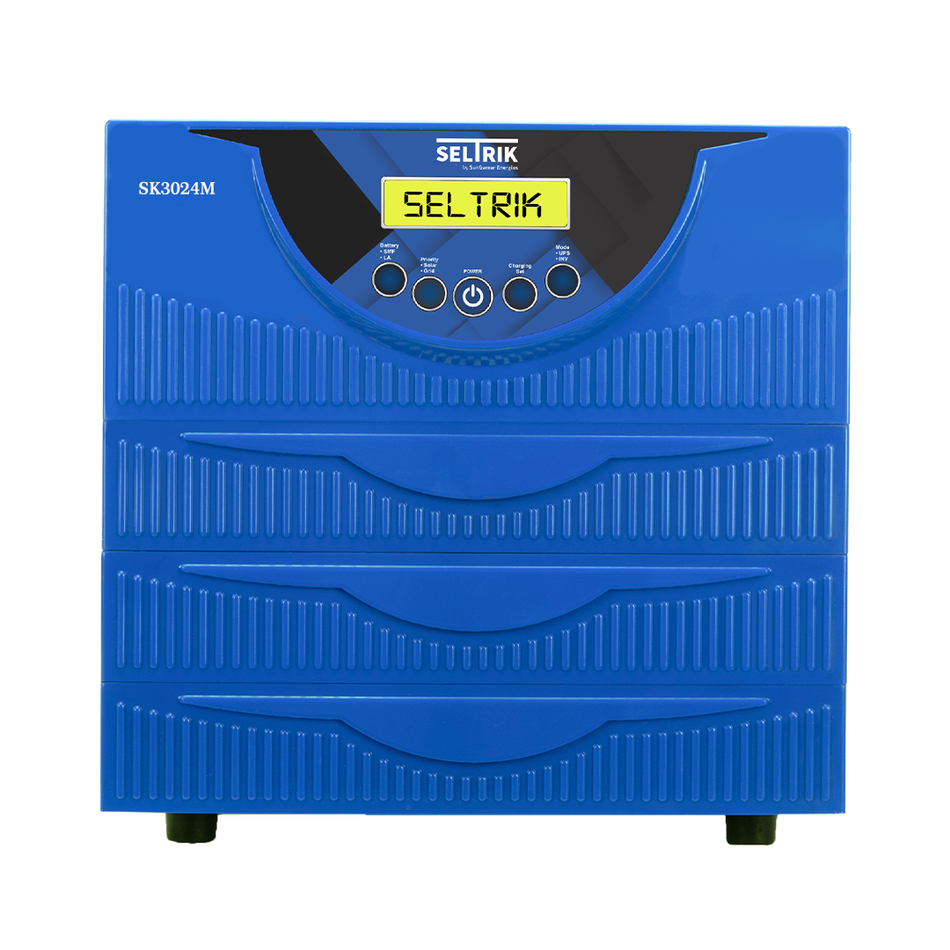
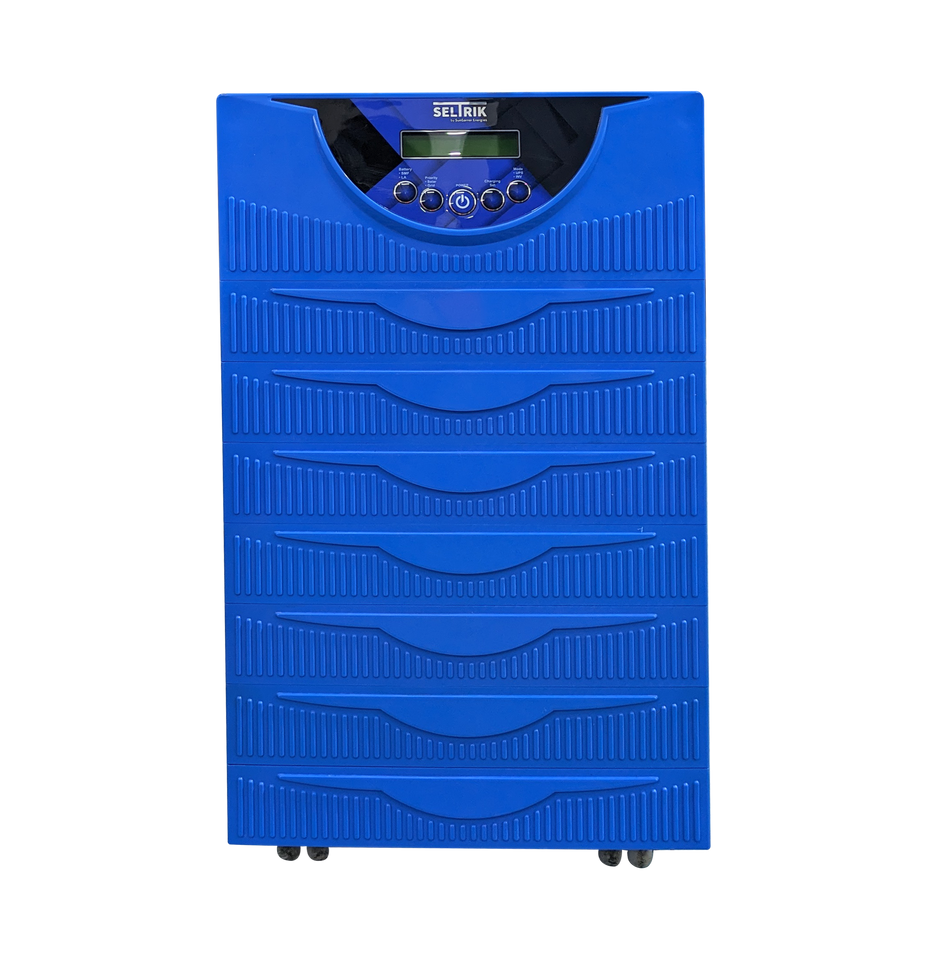
An inverter battery stores electrical energy and supplies backup power during electricity outages. It works together with an inverter system that converts stored DC power into AC electricity to run household appliances such as fans, lights, televisions, Wi-Fi routers, refrigerators, and computers.
Today, having a reliable inverter and battery for home is essential because many households depend on uninterrupted electricity for work, online learning, entertainment, and home security systems.
Choosing the best inverter battery for home improves backup performance, reduces maintenance costs, and ensures long-term reliability during power cuts.
Types of Inverter Batteries
1. Lithium-Ion Batteries
Lithium-ion technology is becoming the preferred choice for modern homes because of its high efficiency, compact size, and long lifespan.
Advantages of Lithium Inverter Batteries
- Faster charging
- Lightweight and compact design
- Maintenance-free operation
- Longer lifespan (8–12 years)
- High charging and discharging efficiency
- Better inverter battery backup time
- Excellent solar compatibility
Best For
- Homes with frequent power cuts
- Smart homes and apartments
- Solar inverter battery systems
- Premium residential backup solutions
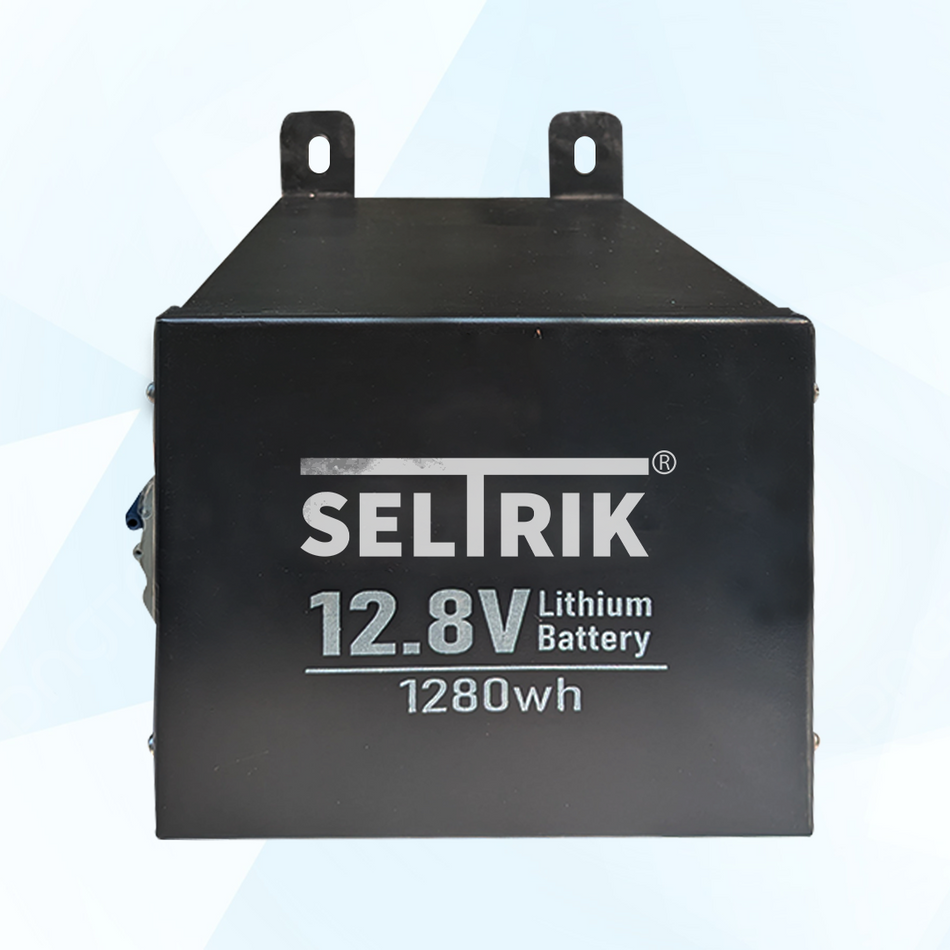
A lithium battery for inverter systems may cost more initially, but it provides better long-term savings due to lower maintenance and longer battery life.
2. Lead-Acid Batteries
Lead-acid batteries are traditional home inverter battery solutions widely used in India.
Advantages
- Lower upfront cost
- Easily available
- Suitable for basic backup requirements
Limitations
- Requires regular water topping
- Shorter lifespan
- Heavy and bulky
- Lower charging efficiency
- Longer charging time
Lead-acid batteries are suitable for users with smaller budgets and limited power backup needs.
3. Tubular Batteries
Tubular batteries are advanced lead-acid batteries designed for longer backup duration and improved durability.
Advantages
- Longer life than flat plate batteries
- Better performance during extended power cuts
- Reliable backup support for Indian households
Limitations
- Requires maintenance
- Slower charging compared to lithium
- Occupies more installation space
Tubular batteries remain popular, but lithium batteries are gradually replacing them due to better efficiency and convenience.
How to Choose the Best Inverter Battery for Home
Selecting the right inverter battery depends on your electricity usage, backup requirements, and budget.
1. Battery Capacity (Ah)
Battery capacity determines how long the battery can provide backup power.
|
Home Usage |
Recommended Capacity |
|
Basic lights & fans |
100Ah |
|
Medium household use |
150Ah |
|
Heavy appliances |
200Ah+ |
Choosing the correct inverter battery capacity is important for efficient performance.
2. Battery Technology
|
Technology |
Main Benefit |
|
Lithium-Ion |
Long life & fast charging |
|
Tubular |
Affordable long backup |
|
Lead-Acid |
Budget-friendly |
If budget allows, lithium-ion inverter battery technology is considered the most advanced option available today.
3. Backup Requirement
Before buying a battery for power backup, calculate:
- Total appliance load
- Daily power cut duration
- Number of appliances used simultaneously
For example, a 150Ah lithium battery can typically support:
- 4 ceiling fans
- 8 LED lights
- 1 television
- Wi-Fi router
for approximately 4–6 hours depending on electricity consumption.
4. Charging Speed
Lithium batteries charge significantly faster than tubular and lead-acid batteries. This is especially useful in areas with short electricity supply windows.
5. Warranty & Service Support
Always choose brands offering:
- 5–10 year warranty
- Nationwide service network
- Reliable customer support
- Safety certifications
How to Calculate Inverter Battery Backup Time
Understanding inverter battery backup time helps you choose the correct battery size.
Battery Backup Time (Hours) = Battery Voltage × Battery Capacity (Ah) × Efficiency ÷ Total Load
Example:
12V × 150Ah × 0.85 ÷ 300W = Approx. 5 Hours Backup
Actual backup time may vary depending on inverter efficiency, appliance load, and battery condition.
Lithium vs Tubular Battery Comparison
|
Feature |
Lithium Battery |
Tubular Battery |
|
Lifespan |
8–12 Years |
3–5 Years |
|
Maintenance |
Zero |
Regular Watering |
|
Charging Time |
Very Fast |
Slow |
|
Efficiency |
High |
Moderate |
|
Weight |
Lightweight |
Heavy |
|
Space Requirement |
Compact |
Larger |
|
Solar Compatibility |
Excellent |
Good |
|
Initial Cost |
Higher |
Lower |
Lithium batteries are ideal for users seeking long-term performance and low maintenance, while tubular batteries remain suitable for budget-conscious households.
Top Benefits of Lithium Inverter Batteries
Longer Lifespan
Lithium inverter battery life is significantly longer than traditional batteries. Many lithium batteries can deliver thousands of charging cycles before replacement.
Faster Charging
A lithium ion inverter battery charges much faster, making it highly efficient during limited electricity availability.
Maintenance-Free Operation
Unlike traditional batteries, lithium batteries do not require water topping or acid maintenance.
Better Energy Efficiency
Lithium batteries offer high efficiency with lower energy loss during charging and discharging.
Compact & Lightweight Design
Their compact structure makes them ideal for apartments and homes with limited space.
Ideal for Solar Systems
A solar inverter battery based on lithium technology performs exceptionally well with solar panels because of high charging efficiency and deep discharge capability.
Common Mistakes to Avoid While Buying an Inverter Battery
Choosing Low Battery Capacity
Selecting insufficient capacity reduces backup time and affects performance.
Ignoring Inverter Compatibility
Always ensure the battery is compatible with your inverter system.
Buying Only Based on Price
A cheaper battery may lead to higher replacement and maintenance costs later.
Ignoring Service Support
Always choose brands with strong after-sales service availability in your area.
Not Considering Future Power Needs
If your appliance usage may increase later, choose a slightly higher capacity battery.
Best Inverter Battery Brands in India 2026
Lithium Battery Brands
- Seltrik (SunGarner)
- Livguard
- Luminous
- Exide
- Okaya
These companies offer advanced lithium battery solutions for residential and solar applications.
Tubular Battery Brands
- Exide
- Amaron
- Luminous
- Microtek
Features to Look For
Choose brands offering:
- Smart battery monitoring
- Lithium technology
- Solar compatibility
- Long warranty support
- BIS-certified safety standards
Inverter Battery Price in India
The inverter battery price depends on battery type, technology, and capacity.
|
Battery Type |
Approximate Price Range |
|
Lead-Acid Battery |
₹6,000 – ₹12,000 |
|
Tubular Battery |
₹10,000 – ₹25,000 |
|
Lithium Inverter Battery |
₹30,000 – ₹80,000+ |
Conclusion
Choosing the best inverter battery in India depends on your backup requirements, budget, and long-term expectations.
If you need:
- Longer battery life
- Faster charging
- Zero maintenance
- Better energy efficiency
- Compact installation
then a lithium inverter battery is an excellent option for modern homes.
However, tubular batteries still provide reliable and affordable backup solutions for users with moderate power requirements and tighter budgets.
For homes facing frequent power cuts or using solar energy systems, lithium battery technology is becoming the preferred long-term solution.
Frequently Asked Questions (FAQ)
Q: Which is the best inverter battery for home?
A: Lithium-ion batteries are widely considered the best because they offer long life, fast charging, high efficiency, and maintenance-free operation.
Q: What is the average inverter battery price in India?
A: Prices typically range from ₹6,000 for basic lead-acid batteries to ₹80,000+ for premium lithium batteries.
Q: How long does a lithium inverter battery last?
A: Most lithium batteries last between 8 and 12 years depending on charging cycles and usage conditions.
Q: Is lithium better than tubular battery?
A: Lithium batteries offer faster charging, longer lifespan, lighter weight, and higher efficiency, while tubular batteries are more affordable initially.
Q: Which battery is best for solar inverter systems?
A: Lithium batteries are highly recommended for solar systems because of their excellent charging efficiency and deep discharge performance.
Q: Can lithium inverter batteries reduce electricity costs?
A: Yes. Their higher efficiency reduces energy loss and improves overall power backup performance over time.