
Why MPPT Inverters Matter in Solar Energy
A solar power system is only as efficient as its inverter. While solar panels generate electricity, the inverter determines how much of that energy is actually usable. Modern solar installations increasingly rely on MPPT (Maximum Power Point Tracking) inverters because they significantly improve energy output, system efficiency, and return on investment.
This guide explains what an MPPT inverter is, how it works, how it compares with traditional inverter technologies, and why it is the preferred choice for residential, commercial, and off-grid solar systems.
What Is an MPPT Inverter?
An MPPT inverter is a Solar Inverter that uses Maximum Power Point Tracking technology to continuously extract the highest possible power from solar panels. Because solar panel voltage and current vary throughout the day due to sunlight intensity, temperature, and shading, the inverter must constantly adjust its operating point to maintain maximum efficiency.
MPPT inverters automatically track this optimal point and ensure the solar array operates at peak performance under all conditions.
How MPPT Technology Works
Solar panels have a nonlinear voltage–current curve, meaning power output changes as environmental conditions change. The MPPT controller inside the inverter:
- Continuously monitors panel voltage and current
- Calculates the maximum power point in real time
- Adjusts the DC-DC conversion to match that point
- Repeats this process multiple times per second
As sunlight increases or decreases, or as panel temperature rises, the MPPT algorithm recalibrates instantly. This ensures maximum energy harvesting throughout the day.
MPPT Inverter vs PWM and Conventional Inverters
PWM (Pulse Width Modulation) Inverters
- Simpler and cheaper technology
- Operate panels at battery voltage
- Lower efficiency, especially in fluctuating sunlight
MPPT Inverters
- Actively track maximum power point
- Support higher panel voltages
- Deliver up to 20–30% more energy than PWM systems
- Ideal for modern high-efficiency solar setups
For systems with batteries, variable weather, or high energy demand, MPPT inverters are the superior choice.
Key Benefits of MPPT Inverters
Higher Energy Output
MPPT inverters ensure solar panels operate at their optimal voltage and current at all times, resulting in higher daily and annual power generation.
Improved System Efficiency
With conversion efficiencies often exceeding 95%, MPPT inverters minimize energy losses and improve overall system performance.
Faster and Smarter Battery Charging
In battery-based systems, MPPT inverters deliver optimized charging profiles, improving charging speed and extending battery life.
Flexible System Design
MPPT technology allows the use of higher voltage panel strings and supports a wider range of panel configurations, making system design more flexible.
Advanced Monitoring
Most MPPT inverters include digital displays or monitoring interfaces that show real-time power generation, battery status, and system diagnostics.
Limitations of MPPT Inverters
Although MPPT inverters are highly efficient, they do have a few considerations:
- Higher upfront cost compared to PWM inverters
- More complex electronics, requiring professional installation
- Marginal gains in perfectly stable sunlight conditions
However, the long-term energy savings usually outweigh the initial cost difference.
Applications of MPPT Inverters
MPPT inverters are widely used in:
- Residential rooftop solar systems
- Commercial and industrial solar installations
- Hybrid grid-connected systems
- Off-grid homes and remote locations
- Telecom towers and backup power systems
They are especially effective in regions with variable sunlight and high temperatures.
How to Choose the Right MPPT Inverter
When selecting an MPPT inverter, consider:
- Rated power capacity based on your load
- Solar panel voltage compatibility
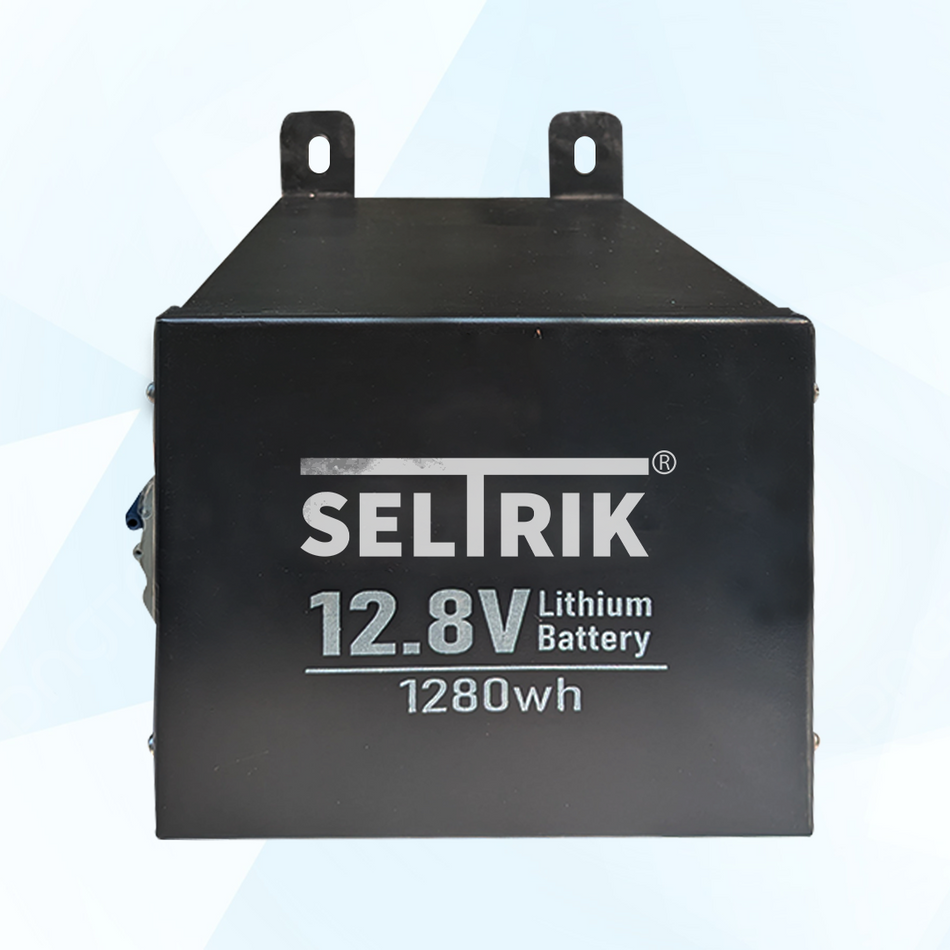
- Battery type support (lithium or lead-acid)
- Monitoring and protection features
- Warranty and after-sales support
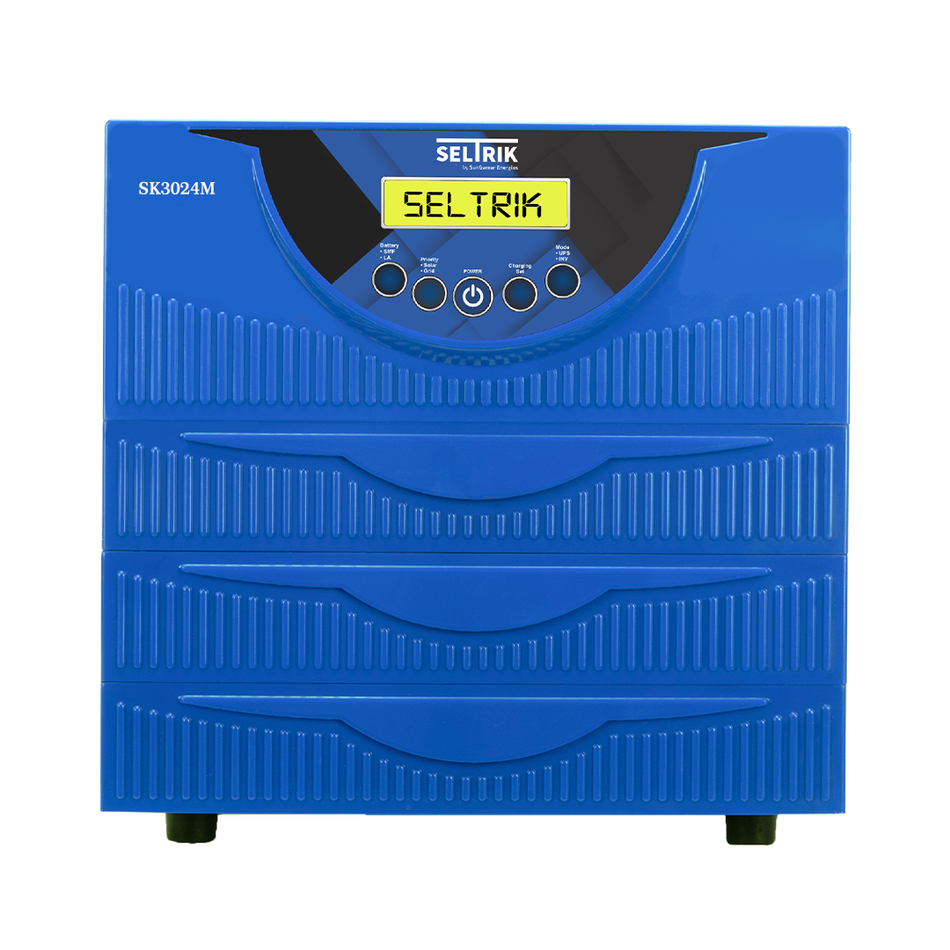
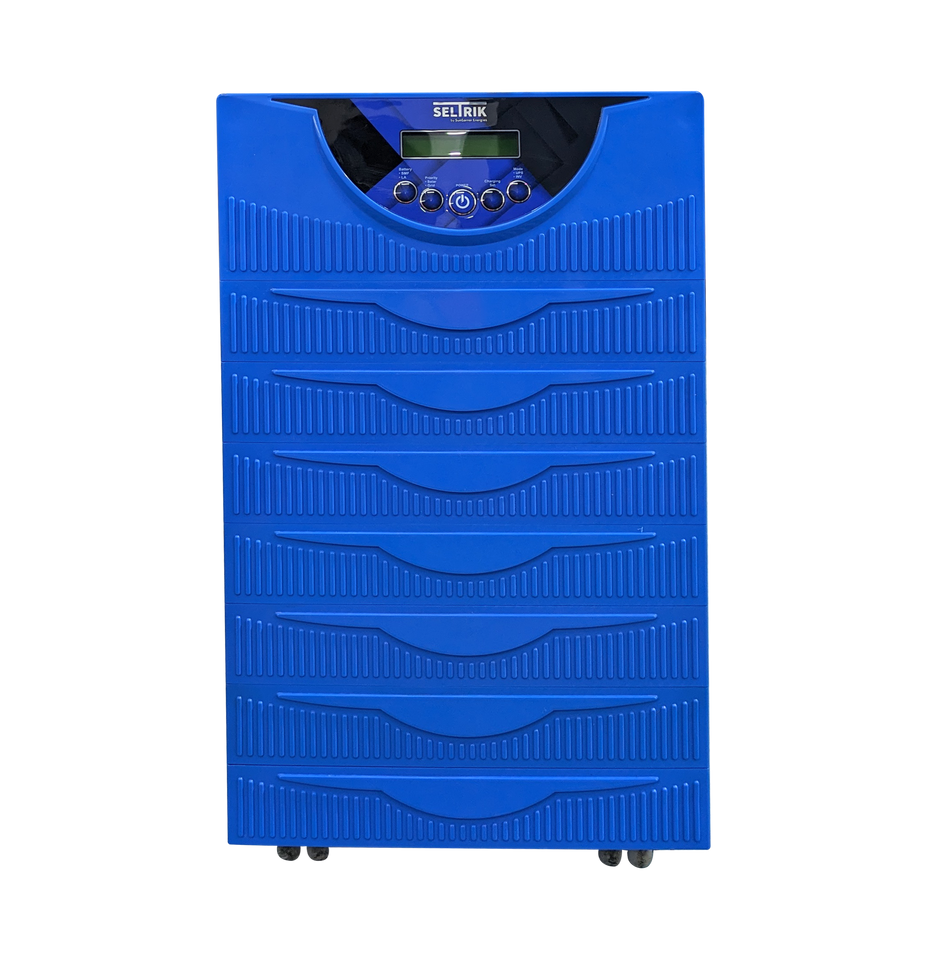
Seltrik MPPT solar inverters are designed with advanced protection, pure sine wave output, intelligent charging, and robust build quality to meet residential and commercial energy needs.
Conclusion: Why MPPT Inverters Are the Smart Solar Choice
MPPT inverters play a critical role in maximizing solar power generation. By continuously tracking and adjusting to the optimal power point, they ensure higher efficiency, better battery management, and improved long-term savings.
For anyone looking to build a reliable, future-ready solar power system, an MPPT inverter is not just an upgrade—it is a necessity.
Frequently Asked Questions (FAQs)
Q. What does MPPT mean in a solar inverter?
A. MPPT stands for Maximum Power Point Tracking. It is a technology used in solar inverters to continuously adjust voltage and current so that solar panels operate at their highest possible power output under changing sunlight and temperature conditions.
Q. Is an MPPT inverter better than a PWM inverter?
A. Yes, an MPPT inverter is more efficient than a PWM inverter. MPPT inverters can generate up to 20–30% more energy, especially in fluctuating weather conditions, making them a better long-term investment.
Q. Can MPPT inverters work with lithium batteries?
A. Yes, most modern MPPT inverters are compatible with lithium-ion batteries as well as lead-acid batteries. They offer intelligent charging profiles that improve battery efficiency and lifespan.
Q. How much power does an MPPT inverter save?
A. An MPPT inverter does not reduce power usage but increases power generation by extracting maximum energy from solar panels. In real-world conditions, it can improve system efficiency by up to 30%.
Q. Are MPPT inverters suitable for off-grid solar systems?
A. Yes, MPPT inverters are ideal for off-grid systems because they optimize solar input, charge batteries efficiently, and perform well in low or variable sunlight conditions.
Q. Does an MPPT inverter work in cloudy weather?
A. Yes, MPPT inverters perform better than traditional inverters during cloudy or partially shaded conditions because they continuously track the optimal operating point of solar panels.